Kalamazoo dates to 1829, and 30% of its homes were built before 1940
More historic than 96% of U.S. towns · #24 of 701 in Michigan. What drives it
39 places in town are on the National Register, among them eight historic districts with 878 buildings between them. Below: 8 old photos and papers, maps from 1887 on, and the census since 1840.
Founding year: Wikidata. First post office: 1832.The full story ↓
History grade
What drives Kalamazoo’s History grade
On its age, its old homes and the National Register, Kalamazoo is more historic than 96% of U.S. towns, #24 of 701 in Michigan. All 3 inputs are above most U.S. towns; its National Register listings ranks highest and its age lowest.
A+
HistoryA character grade: shown, never part of Kalamazoo’s overall grade.
Few Michigan towns list much on the Register (a typical Michigan town has 0.0 per 10,000 residents, the U.S. 2.4), so Kalamazoo’s 124 sits above most of its state (95% of Michigan towns have fewer) while its 907 historic buildings outnumber those of 98% of U.S. towns.
How sure. Graded on any two of the three inputs instead, the letter would range from A to A+. The pre-1940 share (±2.1 points) is firm at this size. Two sources give 1829.
Founding year: Wikidata (other dates in Quick answers). Homes: Census ACS 2020–24. National Register: National Park Service, May 2026 list; each listing counted once (boundary changes and added documentation belong to their listing), and a historic district counts its contributing buildings. How TownRatings grades history →
What stands out about Kalamazoo’s past
Read from the archive, the National Register and the record. The page puts what stands out first.
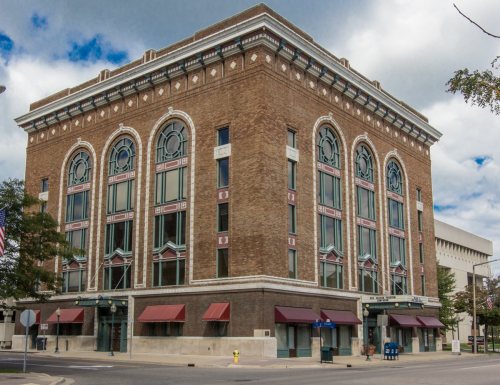
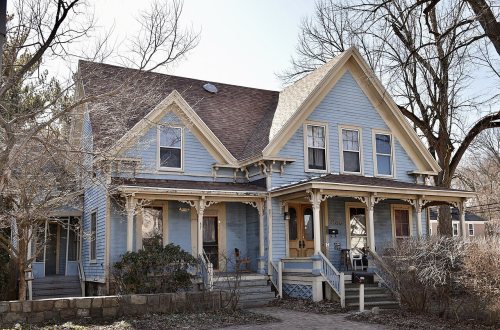
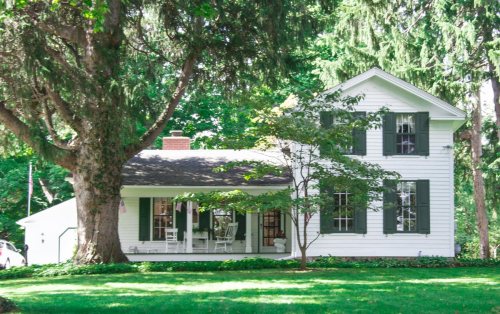
National Park Service, National Register of Historic Places. Photos from Wikimedia Commons, credited on each place’s page.
Places that used to be
Lost post offices, old corners and burying grounds
Kalamazoo’s post office has been open since 1836. Two other post offices opened and closed inside today’s town.
Bronson
1832–1836
Kalamazoo
1836–today
Lincoln
1849–1849
Nazareth
1899–today
18301930today
Hamlets and corners on the map
Americana Estates Mobile Home ParkColonial Acres Mobile Home ParkFranklin Valley Estates Mobile Home ParkMeadow View Village Mobile Home ParkMillwood Mobile Home ParkMilwoodOakwood
9cemeteries and burying grounds inside Kalamazoo
Gate of HeavenJewish Mountain HomeJewish RiversideMount Ever - Rest Memorial Park NorthMount Ever - Rest Memorial Park SouthMount OlivetMountain HomeRiversideWestnedge Park
US Post Offices dataset (Blevins & Helbock, CC0). Places and cemeteries from the USGS Geographic Names Information System (2021).
Kalamazoo was originally known as Bronson, after Titus Bronson, its founder, who settled there in 1829. In 1836, it was renamed Kalamazoo after the river running by it (a name that had already been adopted by the county in 1830). The river's name derives from an Algonquian language and has been variously explained as meaning "boiling water", "mirage or reflecting river", "it smokes", and "otters beneath the surface". Virgil J. Vogel dismisses these as "etymological absurdit[ies]", favouring a meaning either of "it goes or runs fast" or "deep, still water" (and noting that different parts of the river could fit both of these descriptions). Early forms of the name include Kikanamaso (1760) and Ke-kal-i-ma-zoo (1821).
Passages that mention Kalamazoo, cut from the printed page as they were published.
Portrait and biographical record of Kalamazoo, Allegan and Van Buren counties, Michigan, containing biographical sketches of...citizens...governors of the state, and ...presidents of the United States1892 · page 782Read the page →
Read the text
He was elected Town Clerk in New Buffalo, also in Schoolcraft, and served the county of Kalamazoo three years as Superintendent of the Poor, and four years as one of the Trustees of the village of Kalamazoo. Mr. Bishop is recognized as an honest, upright citizen, and has the respect and confidence of his fellow-citizens.
Text read by machine from the scan; it may contain errors.
Portrait and biographical record of Kalamazoo, Allegan and Van Buren counties, Michigan, containing biographical sketches of...citizens...governors of the state, and ...presidents of the United States1892 · page 318Read the page →
Read the text
Other positions occupied by Mr. Little are as follows: In 1862-63, he was appointed by Gov. Blair Draft Commissioner of Kalamazoo County; in 1864, Secretary of the State Sanitary Fair for the relief of soldiers in the war; 1867-68, Clerk of Kalamazoo Township, and Village Clerk, four years; 1883,meinber of the Sewer Commission one term; in the spring of 1883, prominently connected with and
Text read by machine from the scan; it may contain errors.
Quarter centennial celebration of the settlement of Kalamazoo Michigan1855 · page 36Read the page →
Read the text
But counting only those attached by home interests, to the spot, I think my estimate correct." Not only was the village of Kalamazoo called Bronson, but the township was called Arcadia, from a beautiful clear stream, which runs through the northern part of the viilacre. In the early settlement of the town and village, bears and panthers were very common, but wolves were much more numerous and destructive. — They vvere a constant annoyance to the inliabitants, so that
Text read by machine from the scan; it may contain errors.
Scans and text from the Internet Archive. Books published in 1930 or earlier, which are in the public domain.
Timeline
Kalamazoo, 1829 to 1976
Woven from the archive, old maps, post office records, the National Register and the people born here.
Nothing in the archives for these yearsWeddings on Main Street, storms, parades, school pictures, the old store. If it’s in your family album, it belongs here.
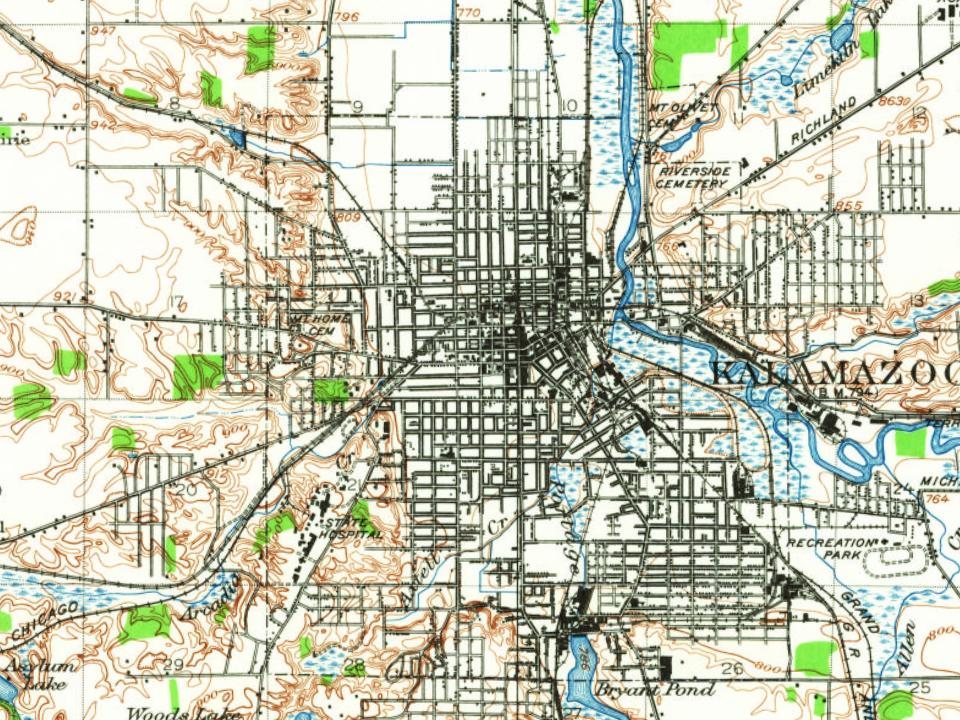
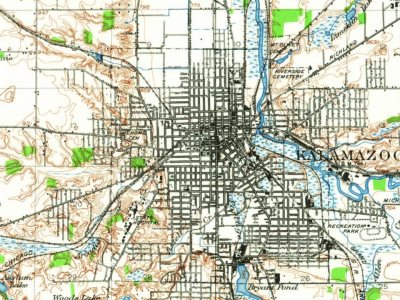
Every edition of the U.S. Geological Survey’s map of Kalamazoo. Tap a year, or press play to watch the town change.
1916Kalamazoo sheet · 1:62,500
U.S. Geological Survey historical topographic maps (public domain), via Esri’s collection of the scans. The red ring marks the center of Kalamazoo.
Every building
Kalamazoo, building by building, 1887–1908
Fire insurance maps drew every building, what it was made of and what it was used for, so insurers could price the risk of fire. Pick a year, then a sheet.
In 1829, according to Wikidata. Kalamazoo’s post office opened in 1832, and the census of 1840 counted 1,290 people here.
How does Kalamazoo rank for history?
Kalamazoo is more historic than 96% of U.S. towns, #24 of 701 in Michigan. The History grade combines the town’s founding era, the share of homes built before 1940 and its National Register listings. It’s a character grade, so it isn’t part of the overall grade. How it works.
What is on the National Register in Kalamazoo?
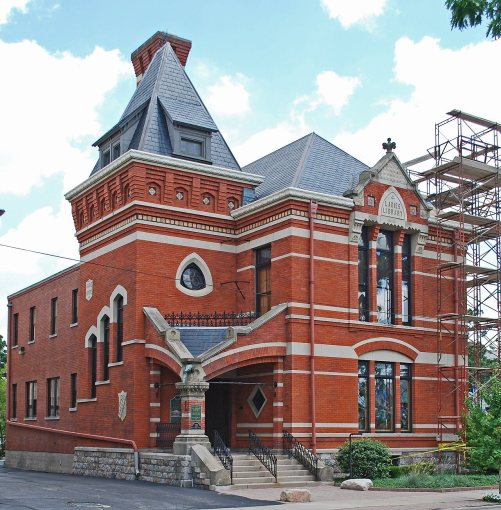
39 listings: 31 buildings, among them the Ladies Library Association Building (listed 1970, the first), and 8 historic districts with 878 contributing buildings. 907 historic buildings in all.
How old are the homes in Kalamazoo?
30% of Kalamazoo’s homes were built before 1940 (Census estimate, ±2.1 points), against a typical 12% for a Michigan town; the median home was built in 1959.
Founding dates: Wikidata, Wikipedia, the U.S. post office records of Blevins & Helbock (CC0) and the Census. Homes by year built: Census ACS 2020–24. National Register of Historic Places: National Park Service (list of May 22, 2026). Old photos, postcards and papers: Wikimedia Commons, the Library of Congress and other public archives, credited on each item’s page. Maps: U.S. Geological Survey historical topographic maps (via Esri) and Sanborn fire-insurance maps (Library of Congress). History text and census tables: Wikipedia (CC BY-SA 4.0). Places that used to be: USGS Geographic Names Information System (2021).
From Wikimedia Commons (7), the Library of Congress (1), Wikidata (19), the National Register of Historic Places (39), Wikipedia, Wikidata and Wikipedia for famous people, U.S. Geological Survey historical maps, U.S. Census counts (via Wikipedia), the US Post Offices dataset (Blevins & Helbock), the USGS Geographic Names Information System, Sanborn fire insurance maps (Library of Congress) and old county and town histories (Internet Archive). Archive images are copied here with their credits and licenses, shown on each photo’s page. Refreshed monthly.












 c. 1870
 1872
 1891
 c. 1906
 1906