5 places in town are on the National Register, among them a historic district. Below: 5 old photos and papers, maps from 1913 on, and the census since 1790.
Founding year: Wikipedia. First post office: 1879.The full story ↓
History grade
What drives Union’s History grade
On its age, its old homes and the National Register, Union is more historic than 94% of U.S. towns. All 3 inputs are above most U.S. towns; its age ranks highest and its National Register listings lowest.
A
HistoryA character grade: shown, never part of Union’s overall grade.
Maine towns list more on the Register than most of the country (a typical Maine town has 15.9 per 10,000 residents, the U.S. 2.4), so Union’s 18.8 sits near the middle of its state (56% of Maine towns have fewer) while its 5 listings outnumber those of 70% of U.S. towns.
How sure. Graded on any two of the three inputs instead, the letter would range from A to A+. The pre-1940 share is a Census survey estimate (±6.5 points). Two sources give 1774.
Founding year: Wikipedia (other dates in Quick answers). Homes: Census ACS 2020–24. National Register: National Park Service, May 2026 list; each listing counted once (boundary changes and added documentation belong to their listing), and a historic district counts its contributing buildings. How TownRatings grades history →
What stands out about Union’s past
Read from the archive, the National Register and the record. The page puts what stands out first.
Union was part of a tract of land called the Muscongus Patent, a grant made March 2, 1629, by the Plymouth Council to John Beauchamp and Thomas Leverett. About 1720, it was purchased by General Samuel Waldo of Boston and thereafter called the Waldo Patent. The first white settlers by the names of Anderson, Malcolm, and Crawford, arrived in 1772. The town was settled on July 19, 1774, and named Taylor Town after the original purchaser and settler, Dr. John Taylor from Lunenburg, Massachusetts. Dr. John Taylor purchased Union for £1,000. On May 3, 1786, it was organized as the Plantation of Sterlingtown, and on October 20, 1786, the town was incorporated and named Union. Washington was formed from a portion of Union in 1811.
Passages that mention Union, cut from the printed page as they were published.
A history of the town of Union, in the county of Lincoln, Maine, to the middle of the nineteenth century1851 · page 264Read the page →
Read the text
public roads and bridges in said town of Union ; and, upon a certificate of tie selectmen of the said town of Union being returned into the treasury office of this Commonwealth, within nine months from the passing of this resolve, that the said sum has been so expended, the treasurer thereof is hereby ordered and directed to pass to the credit of the said town of Union the balance due from the said Joel Adams, as collector for the said town of Union ; and the sheriif of
Text read by machine from the scan; it may contain errors.
A history of the town of Union, in the county of Lincoln, Maine, to the middle of the nineteenth century1851 · page 137Read the page →
Read the text
and State of Massachusetts, gentleman, in consideration of one hundred dollars, well and truly paid by Nathaniel Bachelor, Joel Adams, and William Hart, selectmen of the town of Union for the year A.D. 1809, and their successors in said office as selectmen of Union, the receipt whereof I do hereby acknowledge, do hereby give, grant, sell, and convey unto the said Bachelor, Adams, and Hart, and their successors in the office of selectmen of said Union, for ever, a certain
Text read by machine from the scan; it may contain errors.
Union, past and present. An illustrated history of the town, Maine, from earliest times to date1895 · page 26Read the page →
Read the text
The Union Farmers' Mutual Fire Insurance Co. was chartered in 1856, and is still in active operation. The company takes no risk over $1000, and only on farm property in the town of Union.
Text read by machine from the scan; it may contain errors.
Union, past and present. An illustrated history of the town, Maine, from earliest times to date1895Read the page →
Read the text
#Union Ulants.# TT(5\ITH superior water privileges and railroad facilities the VA/ town of Union offers excellent advantages for manufacturers and capitalists. We need such factories as boots and shoes, sash and blinds, clothing, machine shops, foundries, furniture, pianos and organs, metal works, buttons, carpet mills, hats, straw goods, car-shops, woodenware, boiler works, stoves, gloves, tools, hosiery, silk mills, toys, agricultural
Text read by machine from the scan; it may contain errors.
Scans and text from the Internet Archive. Books published in 1930 or earlier, which are in the public domain.
Timeline
Union, 1774 to 2020
Woven from the archive, old maps, post office records, the National Register and the people born here.
Nothing in the archives for these yearsWeddings on Main Street, storms, parades, school pictures, the old store. If it’s in your family album, it belongs here.
In 1774, according to Wikipedia’s history of the town. Union’s post office opened in 1879, and the first U.S. census counted 199 people here in 1790.
How does Union rank for history?
Union is more historic than 94% of U.S. towns. The History grade combines the town’s founding era, the share of homes built before 1940 and its National Register listings. It’s a character grade, so it isn’t part of the overall grade. How it works.
What is on the National Register in Union?
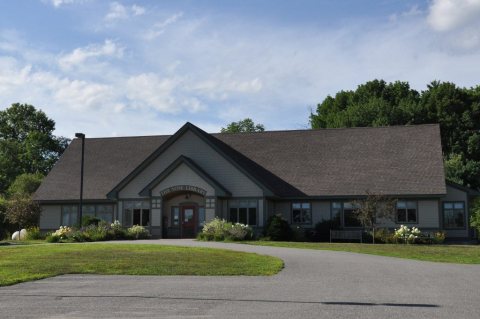
5 listings: 4 buildings, among them the Ebenezer Alden House (listed 1975, the first), and 1 historic district, the Common, The,.
How old are the homes in Union?
33% of Union’s homes were built before 1940 (Census estimate, ±6.5 points), against a typical 19% for a Maine town; the median home was built in 1979.
Founding dates: Wikidata, Wikipedia, the U.S. post office records of Blevins & Helbock (CC0) and the Census. Homes by year built: Census ACS 2020–24. National Register of Historic Places: National Park Service (list of May 22, 2026). Old photos, postcards and papers: Wikimedia Commons, the Library of Congress and other public archives, credited on each item’s page. Maps: U.S. Geological Survey historical topographic maps (via Esri) and Sanborn fire-insurance maps (Library of Congress). History text and census tables: Wikipedia (CC BY-SA 4.0). Places that used to be: USGS Geographic Names Information System (2021).
From Wikimedia Commons (13), the Library of Congress (2), Wikidata (3), the National Register of Historic Places (5), Wikipedia, Wikidata and Wikipedia for famous people, U.S. Geological Survey historical maps, U.S. Census counts (via Wikipedia), the US Post Offices dataset (Blevins & Helbock), the USGS Geographic Names Information System and old county and town histories (Internet Archive). Archive images are copied here with their credits and licenses, shown on each photo’s page. Refreshed monthly.


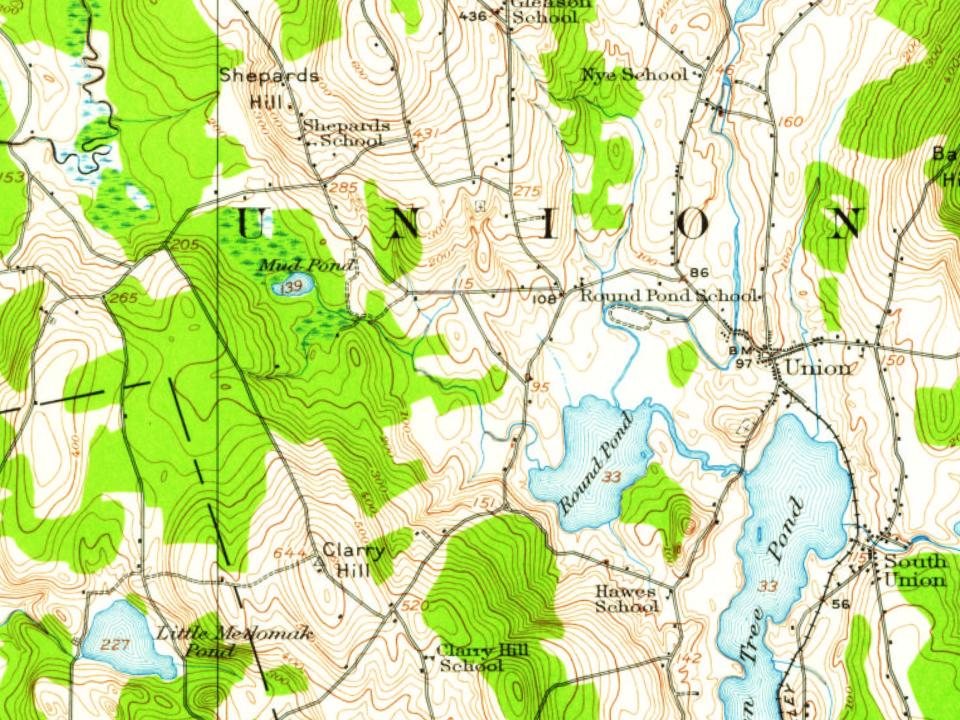
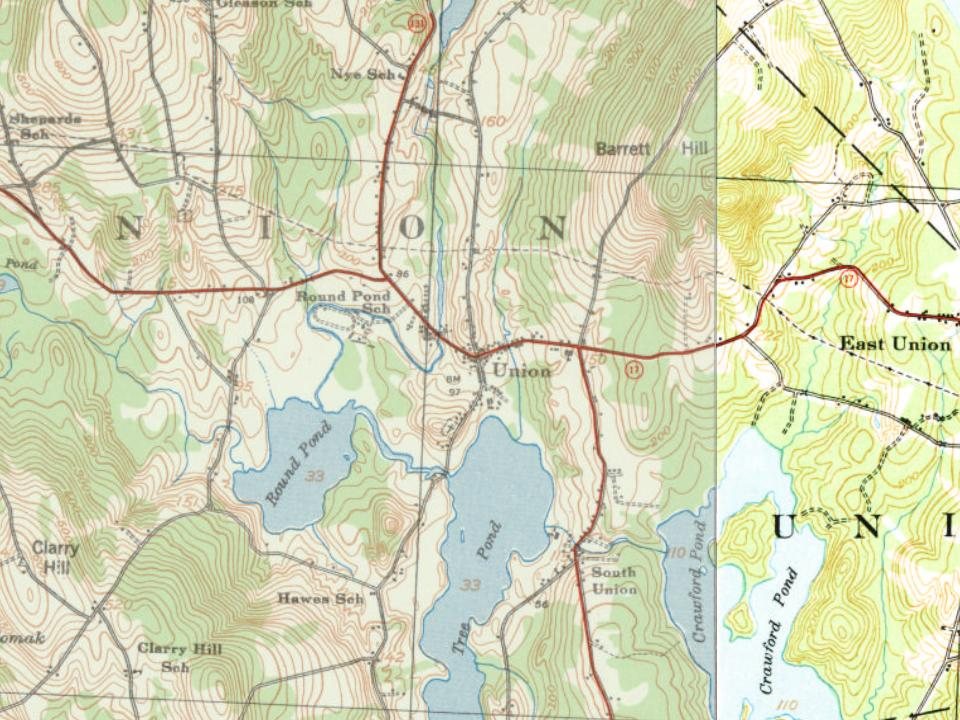
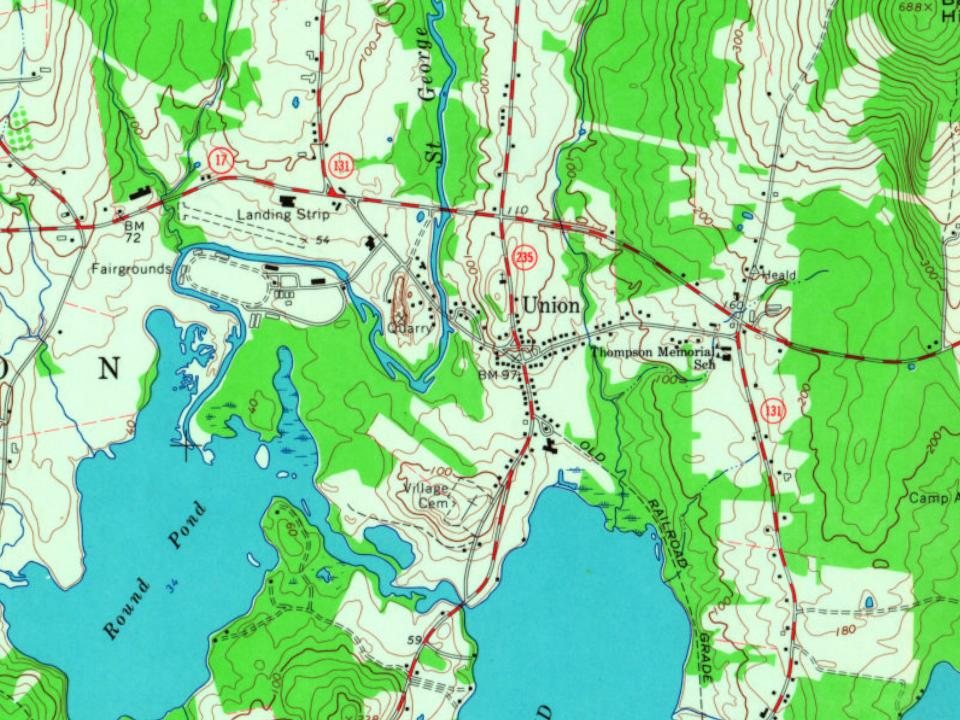


 c. 1872
 c. 1872
 c. 1872
 2018
 2018
 2018
 2018
 2018
 2018
 2017
 2017
 2013
 2012

