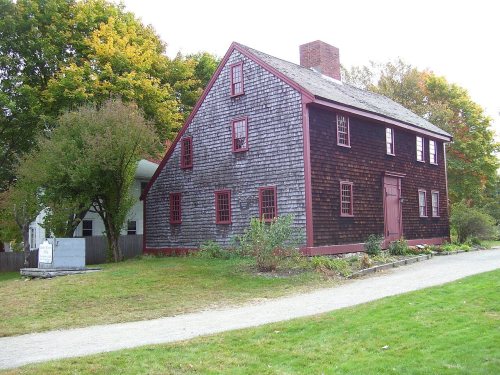
Reading is one of the best-graded places in America: an A+, ranked 19th of 282 in Massachusetts. It is healthier than 98% of U.S. towns, the median household earns $166K, and it reports less crime per resident than 87% of U.S. towns. The exception is cost of living: the typical home is worth about $910K, 7.9 years of the Boston metro’s $116K median household income. History is its standout character grade: an A, better than 94% of U.S. towns, with 85 places on the National Register. Reading’s median household income is $166,000, against $120,000 in Massachusetts’ towns and $80,000 across U.S. towns. Its National Register listings include Parker Tavern and Joseph Bancroft House. On hazard risk, just 24 of Massachusetts’ 325 towns do better.
Reading reports less crime than North Reading or any other graded neighbor and has less food insecurity than most of Massachusetts, but it has homes that cost more against local pay than most of Massachusetts.
Its widest gap with Massachusetts is food insecurity: 6.4% of its 19,701 adults worry about having enough food, against 12.4% statewide.
23% of adults have obesity in Reading. Reading beats the Massachusetts average on 21 of 32 CDC measures and trails it on 1. 9.8% of adults report frequent physical distress in Reading.
18 miles of trail in 36 parks and preserves. Reading’s trail density is 1.9 miles per square mile. The biggest park or preserve is Cedar Swamp, at 426 acres.
At 7.9 years of the Boston metro’s $116K median household income, the typical home (about $910K) costs more against local pay than in 79% of Massachusetts towns; that ratio is one input to its D for cost of living. The median property tax bill is $9,320, against $5,992 across Massachusetts, another input to its cost-of-living grade.
The typical Reading home is worth about $910,000, up 3.1% in a year, 39% above the Massachusetts typical home. 82% of Reading households own their home.
30.2% of workers work from home, against 18.6% across Massachusetts.
Most working residents leave Reading for work: only 8% work in town. The top destinations are Boston (23%), Cambridge (6%) and Woburn (5%). Half commute less than 11 miles.
8%work in town
Reading
Massachusetts towns
U.S. towns
Work from home
30%
18%
11%
Below the poverty line
3.2%
6%
9.6%
Average trip to work
31 minutes
30 minutes
25 minutes
Where working residents work
In Reading8%
Boston23%
Cambridge6%
Woburn5%
Burlington3%
11 mi
median commute distance
6,955
jobs based in Reading
A commuter town
jobs vs. working residents
A
Walkability grade: more walkable than 89% of U.S. towns
Reading has chilly, snowy winters and pleasant summers. July afternoons reach 83°, January nights drop to 18° and about 64 inches of snow falls in a winter.
Reading ( RED-ing) is a town in Middlesex County, Massachusetts, United States, 16 miles (26 km) north of central Boston. The population was 25,518 at the 2020 census.
Yes, by almost any measure. Reading grades A+ overall, among the top 2% of U.S. towns and #19 of 282 in Massachusetts. It grades A+ for health, A for safety and A− for schools. Cost of living is its weak spot, with a D.
Is Reading, MA expensive?
Yes. Cost of living, which also weighs rents, property taxes and how many households pay 30% or more of their income for housing, grades D.
What is Reading, MA known for?
22 notable people were born here, including James Cerretani and Joe Whitney.



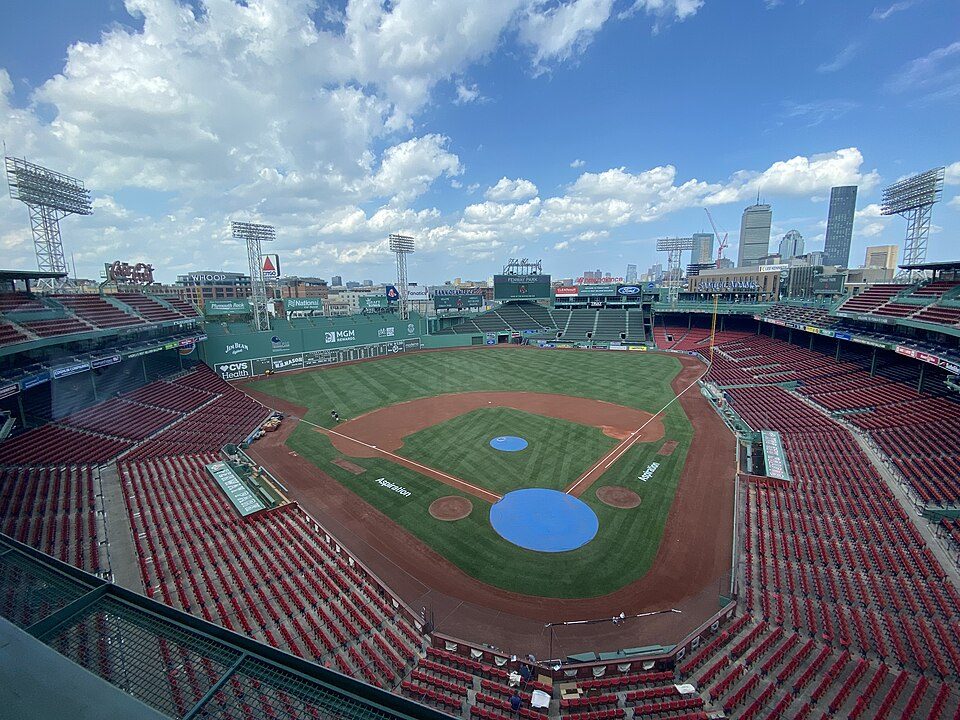
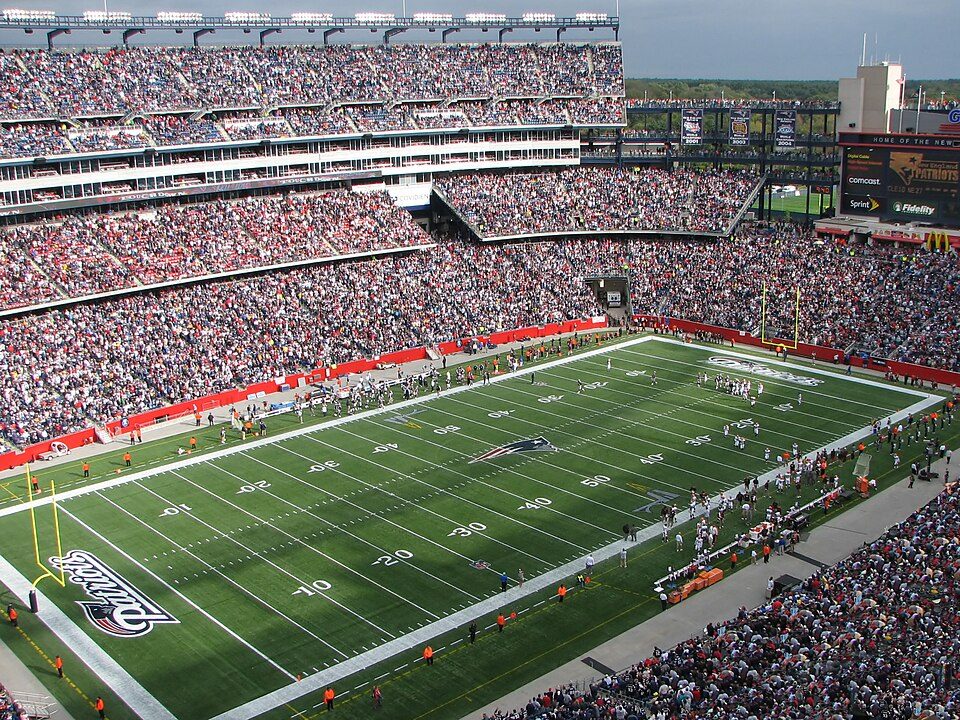
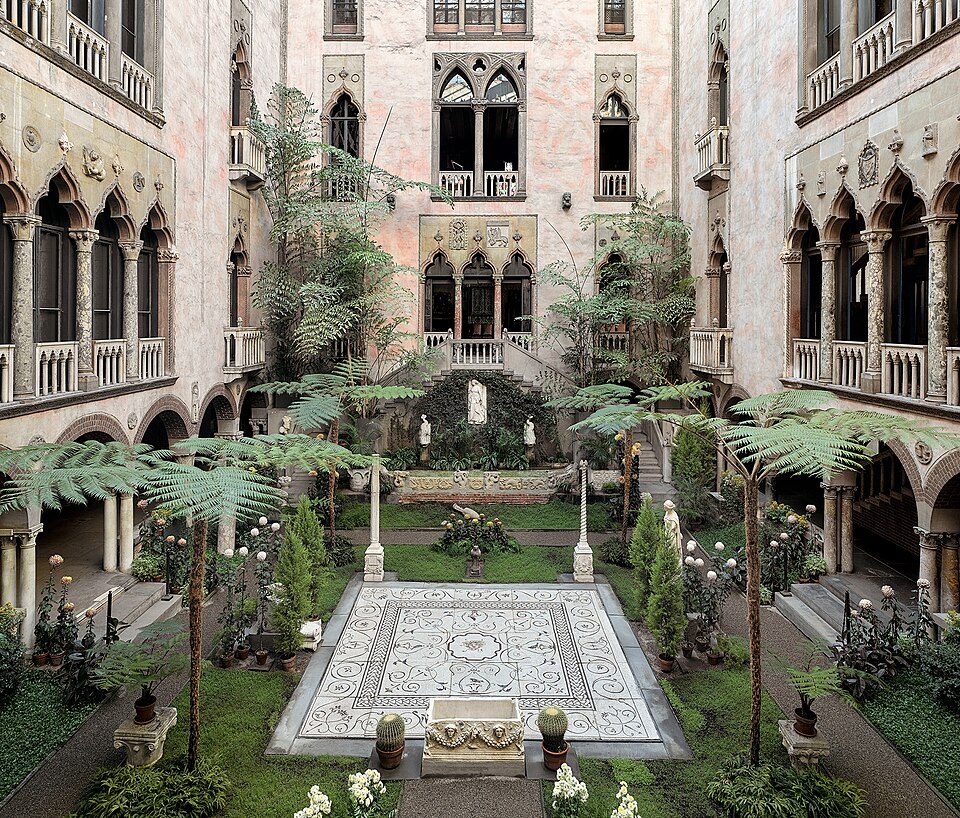
 14 mi
 12 mi
 12 mi


