Gardner dates to 1764, and 41% of its homes were built before 1940
More historic than 98% of U.S. towns · #44 of 283 in Massachusetts. What drives it
13 places in town are on the National Register, among them two historic districts with 118 buildings between them. Below: 6 old photos and papers, maps from 1889 on, and the census since 1790.
Founding year: Wikidata. First post office: 1826.The full story ↓
History grade
What drives Gardner’s History grade
On its age, its old homes and the National Register, Gardner is more historic than 98% of U.S. towns, #44 of 283 in Massachusetts. All 3 inputs are above most U.S. towns; its age ranks highest and its National Register listings lowest.
A+
HistoryA character grade: shown, never part of Gardner’s overall grade.
Massachusetts towns list more on the Register than most of the country (a typical Massachusetts town has 46.0 per 10,000 residents, the U.S. 2.4), so Gardner’s 63.8 sits near the middle of its state (55% of Massachusetts towns have fewer) while its 135 historic buildings outnumber those of 91% of U.S. towns.
NoteThe founding year comes from Wikidata alone; no second source gives 1764.
How sure. Graded on any two of the three inputs instead, the letter would range from A to A+. The pre-1940 share is a Census survey estimate (±4.4 points).
Founding year: Wikidata (other dates in Quick answers). Homes: Census ACS 2020–24. National Register: National Park Service, May 2026 list; each listing counted once (boundary changes and added documentation belong to their listing), and a historic district counts its contributing buildings. How TownRatings grades history →
What stands out about Gardner’s past
Read from the archive, the National Register and the record. The page puts what stands out first.
National Park Service, National Register of Historic Places. Photos from Wikimedia Commons, credited on each place’s page.
Every building
Gardner, building by building, 1889–1923
Fire insurance maps drew every building, what it was made of and what it was used for, so insurers could price the risk of fire. Pick a year, then a sheet.
Named in honor of Thomas Gardner, the land was first settled by Europeans in 1764 and was officially incorporated as a town in 1785, after receiving land grants from the surrounding towns of Ashburnham, Templeton, Westminster, and Winchendon. In circa 1805, Gardner became a center for lumber and furniture industries, and is now known as "The Chair City" and "The Furniture Capital of New England", due to its long history of production in that industry. By 1910, there were twenty chair factories, which produced four million chairs per year. It was also noted for silversmithing. The Gardner State Hospital pioneered the use of cottage residences.
Passages that mention Gardner, cut from the printed page as they were published.
History of Gardner, Massachusetts1860 · page 57Read the page →
Read the text
The first warrant for a town meeting in Gardner, was issued by Nicholas Dyke, Esq., of Westminster, directed to Peter Goodale, of Gardner, ordering him to warn all the male inhabitants of Gardner, qualified by law to vote in town affairs, to meet at the house of John Glazier, on Monday, the 15th of August, 1785, for the purpose of choosing all town officers, as the law directs, for
Text read by machine from the scan; it may contain errors.
History of Gardner, Massachusetts1860 · page 154Read the page →
Read the text
As taken from the minutes of the Sixteenth Anniversary of the Wachusett Baptist Association held in Templeton, September 8th and 9th, 1858. — By Lewis H. Bradford.] The first movement of the South Gardner Baptist Church was in the year 1830, when twenty-three brethren and sisters of the Baptist Church in Templeton, who resided in Gardner, represented by letter to the church that " they
Text read by machine from the scan; it may contain errors.
Scans and text from the Internet Archive. Books published in 1930 or earlier, which are in the public domain.
Timeline
Gardner, 1764 to 1981
Woven from the archive, old maps, post office records, the National Register and the people born here.
Nothing in the archives for these yearsWeddings on Main Street, storms, parades, school pictures, the old store. If it’s in your family album, it belongs here.
Nothing in the archives for these yearsWeddings on Main Street, storms, parades, school pictures, the old store. If it’s in your family album, it belongs here.
In 1764, according to Wikidata. Gardner’s post office opened in 1826, and the first U.S. census counted 531 people here in 1790.
How does Gardner rank for history?
Gardner is more historic than 98% of U.S. towns, #44 of 283 in Massachusetts. The History grade combines the town’s founding era, the share of homes built before 1940 and its National Register listings. It’s a character grade, so it isn’t part of the overall grade. How it works.
What is on the National Register in Gardner?
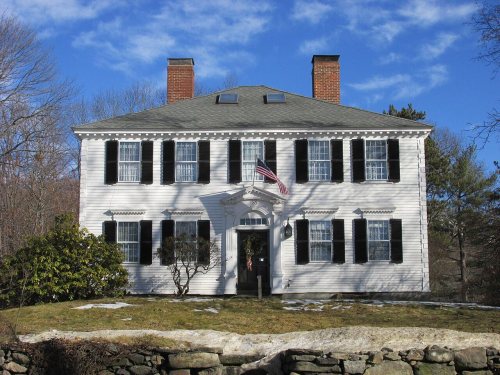
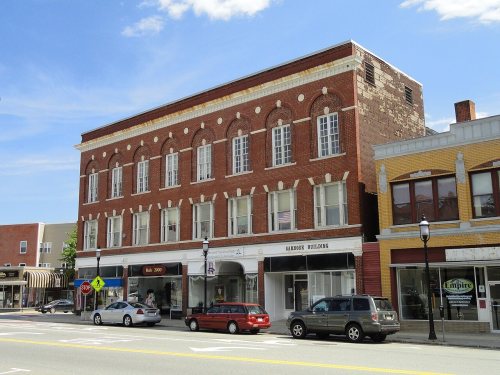
13 listings: 11 buildings, among them the First Minister's House (listed 1979, the first), and 2 historic districts, the West Gardner Square Historic District and the Gardner Uptown Historic District, with 118 contributing buildings. 135 historic buildings in all.
How old are the homes in Gardner?
41% of Gardner’s homes were built before 1940 (Census estimate, ±4.4 points), against a typical 21% for a Massachusetts town; the median home was built in 1954.
Founding dates: Wikidata, Wikipedia, the U.S. post office records of Blevins & Helbock (CC0) and the Census. Homes by year built: Census ACS 2020–24. National Register of Historic Places: National Park Service (list of May 22, 2026). Old photos, postcards and papers: Wikimedia Commons, the Library of Congress and other public archives, credited on each item’s page. Maps: U.S. Geological Survey historical topographic maps (via Esri) and Sanborn fire-insurance maps (Library of Congress). History text and census tables: Wikipedia (CC BY-SA 4.0). Places that used to be: USGS Geographic Names Information System (2021).
From Wikimedia Commons (9), the Library of Congress (1), Wikidata (2), the National Register of Historic Places (13), Wikipedia, Wikidata and Wikipedia for famous people, U.S. Geological Survey historical maps, U.S. Census counts (via Wikipedia), the US Post Offices dataset (Blevins & Helbock), the USGS Geographic Names Information System, Sanborn fire insurance maps (Library of Congress) and old county and town histories (Internet Archive). Archive images are copied here with their credits and licenses, shown on each photo’s page. Refreshed monthly.






![As taken from the minutes of the Sixteenth Anniversary of the Wachusett Baptist Association held in Templeton, September 8th and 9th, 1858. — By Lewis H. Bradford.] The first movement of the South Gardner Baptist Church was in the year 1830, when twenty-three brethren and sisters of the Baptist Chu…](https://images.townratings.com/story/7548/bk-3864375e875a209e-l.jpg)


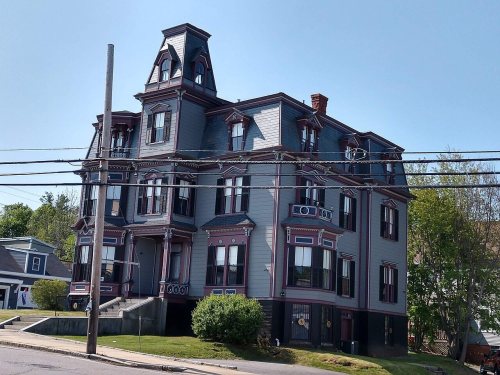


 c. 1908
 2009
 2008
 2008
 2006


