Former Ohio governor Charles Anderson founded the town on land he purchased in 1866. Originally spelled "Cuttawa" and "Kittawa", Kuttawa seems to have been the name of a Cherokee village near the site, whose meaning is a matter of dispute: it has been variously translated as "beautiful", "city in the woods", and "great wilderness". The city was formally incorporated by the state assembly in 1872, the same year it received its post office.
In the early 1960s, the Tennessee Valley Authority constructed a dam across the Cumberland River at Grand Rivers, forming Lake Barkley. Eddyville and Kuttawa were both moved from their original locations owing to the impounded lake.
Nothing in the archives for these yearsWeddings on Main Street, storms, parades, school pictures, the old store. If it’s in your family album, it belongs here.
Founding dates: Wikidata, Wikipedia, the U.S. post office records of Blevins & Helbock (CC0) and the Census. Homes by year built: Census ACS 2020–24. National Register of Historic Places: National Park Service (list of May 22, 2026). Old photos, postcards and papers: Wikimedia Commons, the Library of Congress and other public archives, credited on each item’s page. Maps: U.S. Geological Survey historical topographic maps (via Esri) and Sanborn fire-insurance maps (Library of Congress). History text and census tables: Wikipedia (CC BY-SA 4.0). Places that used to be: USGS Geographic Names Information System (2021). How TownRatings grades history →
From Wikimedia Commons (6), Wikipedia, Wikidata and Wikipedia for famous people, the US Post Offices dataset (Blevins & Helbock) and the USGS Geographic Names Information System. Archive images are copied here with their credits and licenses, shown on each photo’s page. Refreshed monthly.

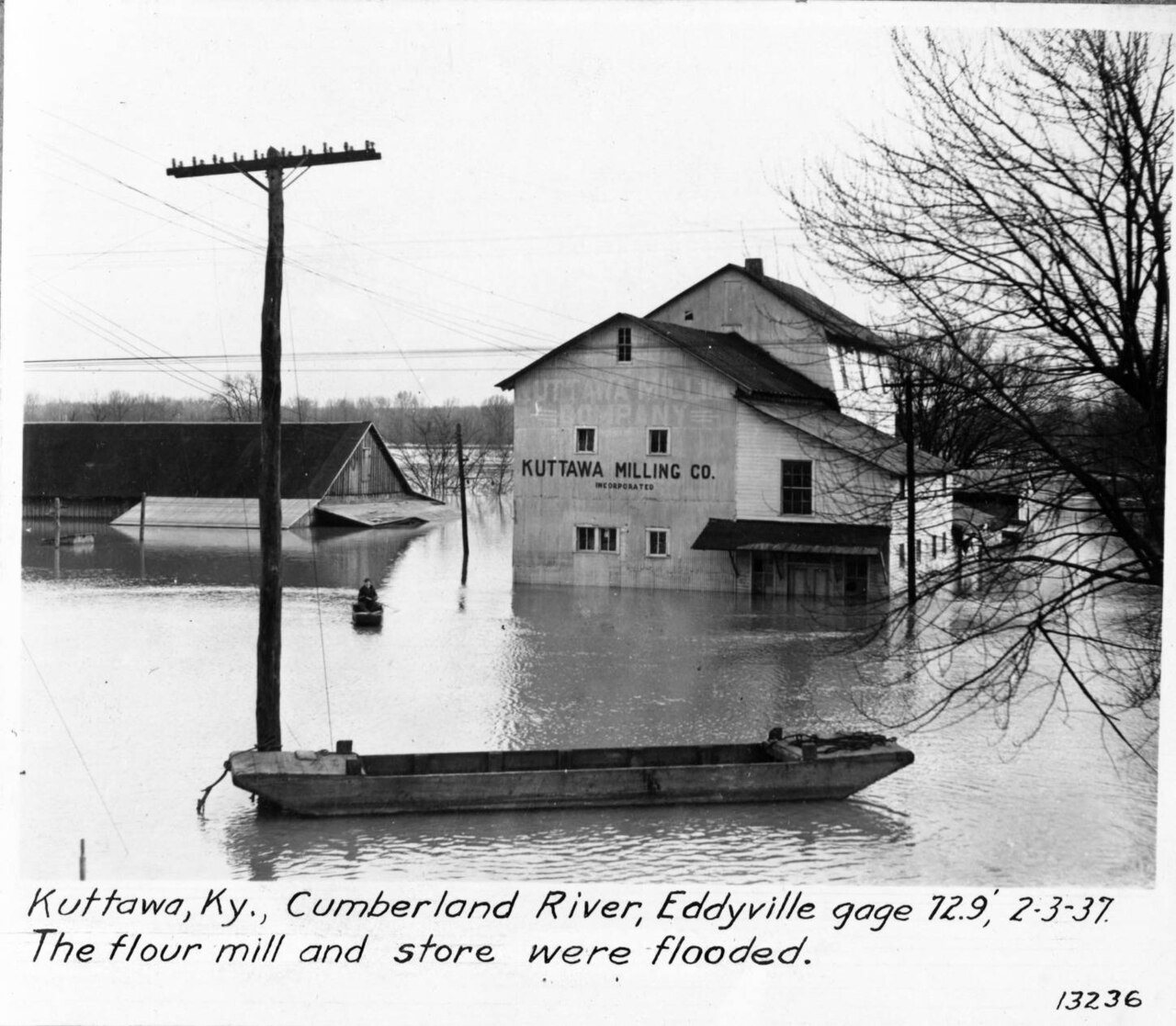

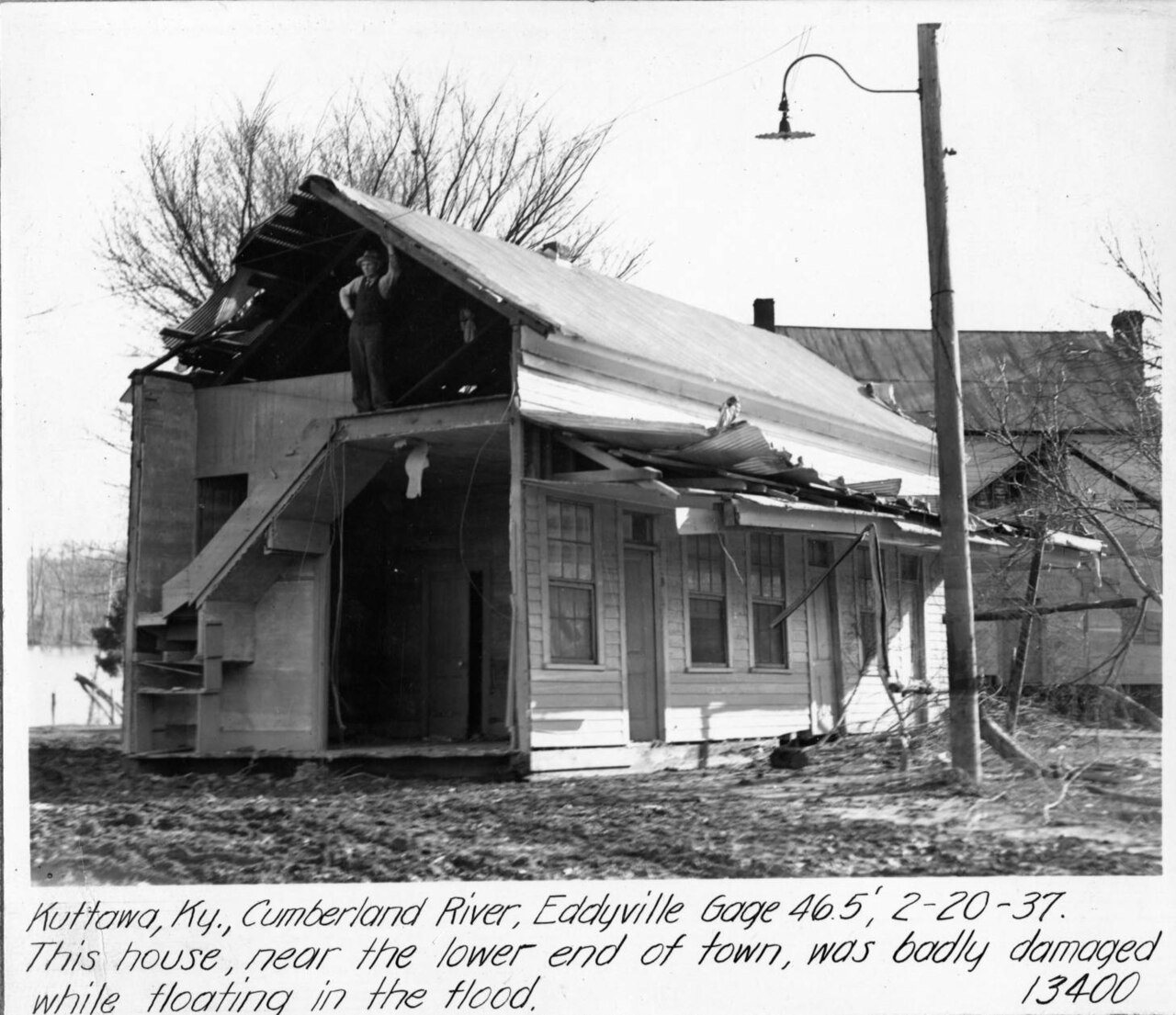


 1937
 1937
 1937
 1937
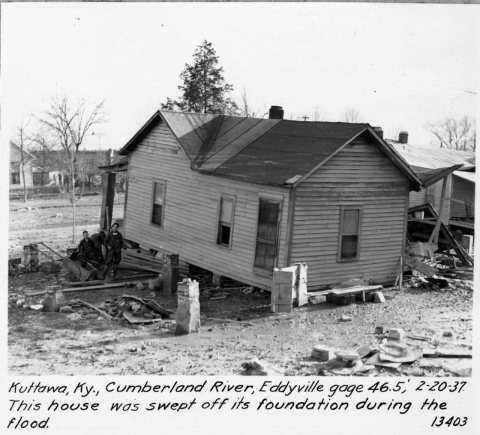 1937