Portland dates to 1837, and 37% of its homes were built before 1940
More historic than 95% of U.S. towns · #66 of 593 in Indiana. What drives it
3 places in town are on the National Register, among them a historic district with 58 buildings. Below: 2 old photos and papers, maps from 1886 on, and the census since 1870.
On its age, its old homes and the National Register, Portland is more historic than 95% of U.S. towns, #66 of 593 in Indiana. All 3 inputs are above most U.S. towns; its share of homes from before 1940 ranks highest and its age lowest.
A+
HistoryA character grade: shown, never part of Portland’s overall grade.
Indiana towns list more on the Register than most of the country (a typical Indiana town has 7.9 per 10,000 residents, the U.S. 2.4), so Portland’s 95.1 sits above most of its state (81% of Indiana towns have fewer) while its 61 historic buildings outnumber those of 86% of U.S. towns.
NoteThe founding year comes from Wikipedia alone; no second source gives 1837.
How sure. Graded on any two of the three inputs instead, the letter would range from A to A+. The pre-1940 share is a Census survey estimate (±5.9 points).
Founding year: Wikipedia (other dates in Quick answers). Homes: Census ACS 2020–24. National Register: National Park Service, May 2026 list; each listing counted once (boundary changes and added documentation belong to their listing), and a historic district counts its contributing buildings. How TownRatings grades history →
What stands out about Portland’s past
Read from the archive, the National Register and the record. The page puts what stands out first.
National Park Service, National Register of Historic Places. Photos from Wikimedia Commons, credited on each place’s page.
Every building
Portland, building by building, 1886–1920
Fire insurance maps drew every building, what it was made of and what it was used for, so insurers could price the risk of fire. Pick a year, then a sheet.
This prophecy is founded in conditions that make it impressive and give assurance of certain fulfillment. So much has been done and gained that the future is no longer problematical. Destiu)- is so far advanced that prophecy cannot miss its mark. Portland, no mean city already, is destined to be a great one. Who can guess with how curious an interest this account of beginnings of the city of Portland; this record of the city of Portland of to-day, will be read in the great city of Portland, forty or one hundred years from
Text read by machine from the scan; it may contain errors.
To return to the subject of the road on the south side of the Columbia, between Portland and Wallula: After the land grant for this road was taken away from Portland by the joint resolution of 1870, the public being in great need of the road, from Portland up the Columbia River, some of the citizens of Portland, including Col. Chapman in the number, inaugurated measures for the construdtiou of a road from Portland to Salt Lake. Part of the line was surveyed, and at times the prospedls were very favorable. On one occasion, when their bill in the house was progressing under favorable circumstances, the Credit Mobilier broke out and crushed
Text read by machine from the scan; it may contain errors.
Portrait and biographical record of Portland and vicinity, Oregon, containing original sketches of many well known citizens of the past and present1903 · page 753Read the page →
Read the text
time he became able seaman and in 1843 entered the American service, going out of the port of New York as second mate. In 1852 he made the trip around the Horn, and up to Portland, later visiting San Francisco, but then returning to Portland. As a deck hand on the Milt Norma, named for the county of Multnomah, he sailed from Portland to Cascade Falls during the flour-
Text read by machine from the scan; it may contain errors.
The history of Portland, from 1632 to 18641865 · page 729Read the page →
Read the text
Two other bridges were afterward erected, one in 1806, across the western extremity of Back Cove called Deering's Bridge, built by the inhabitants of Portland and Falmouth and made free ; the other the Portland Bridge, constructed on piles across Fore river at an expense of about seven thousand dollars, under an act of incorporation granted in February, 1 Lotteries were then popular, and an easy mode of granting favors by government whicli was often adopted ; our people in 1808 applied, but without success,
Text read by machine from the scan; it may contain errors.
Scans and text from the Internet Archive. Books published in 1930 or earlier, which are in the public domain.
Timeline
Portland, 1837 to 1968
Woven from the archive, old maps, post office records, the National Register and the people born here.
Nothing in the archives for these yearsWeddings on Main Street, storms, parades, school pictures, the old store. If it’s in your family album, it belongs here.
Nothing in the archives for these yearsWeddings on Main Street, storms, parades, school pictures, the old store. If it’s in your family album, it belongs here.
Portland’s post office has been open since 1868. Another post office, Jay Court House, opened and closed inside today’s town.
Jay Court House
1838–1868
Portland
1868–today
18301930today
2cemeteries and burying grounds inside Portland
Green ParkJaque
US Post Offices dataset (Blevins & Helbock, CC0). Places and cemeteries from the USGS Geographic Names Information System (2021).
Questions about Portland’s history
What year was Portland founded?
In 1837, according to Wikipedia’s history of the town. Portland’s post office opened in 1838, and the census of 1870 counted 462 people here.
How does Portland rank for history?
Portland is more historic than 95% of U.S. towns, #66 of 593 in Indiana. The History grade combines the town’s founding era, the share of homes built before 1940 and its National Register listings. It’s a character grade, so it isn’t part of the overall grade. How it works.
What is on the National Register in Portland?
Three places: the Jay County Courthouse (listed 1981), the Portland Commercial Historic District (1996) and the Jonas Votaw House (2004).
How old are the homes in Portland?
37% of Portland’s homes were built before 1940 (Census estimate, ±5.9 points), against a typical 14% for an Indiana town; the median home was built in 1951.
Founding dates: Wikidata, Wikipedia, the U.S. post office records of Blevins & Helbock (CC0) and the Census. Homes by year built: Census ACS 2020–24. National Register of Historic Places: National Park Service (list of May 22, 2026). Old photos, postcards and papers: Wikimedia Commons, the Library of Congress and other public archives, credited on each item’s page. Maps: U.S. Geological Survey historical topographic maps (via Esri) and Sanborn fire-insurance maps (Library of Congress). History text and census tables: Wikipedia (CC BY-SA 4.0). Places that used to be: USGS Geographic Names Information System (2021).
From Wikimedia Commons (6), the National Register of Historic Places (3), Wikipedia, Wikidata and Wikipedia for famous people, U.S. Geological Survey historical maps, U.S. Census counts (via Wikipedia), the US Post Offices dataset (Blevins & Helbock), the USGS Geographic Names Information System, Sanborn fire insurance maps (Library of Congress) and old county and town histories (Internet Archive). Archive images are copied here with their credits and licenses, shown on each photo’s page. Refreshed monthly.


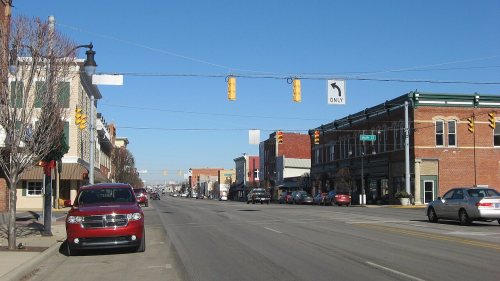


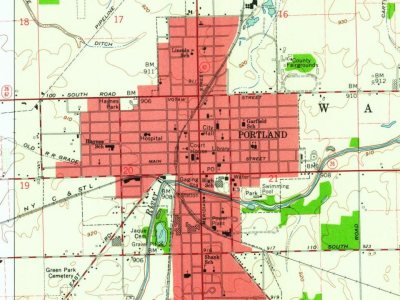

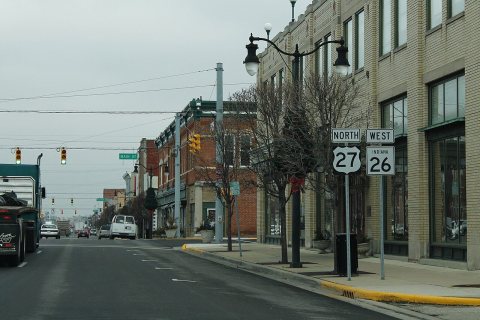 2012
 2012
 2012
 2011


