108 years in pictures
Census counts: 143 in 1930, 4,718 in 2020. The archive holds 1 old photo or paper going back to 1925 and 7 maps from 1892 on.
2 places on the National Register of Historic Places.
- 1918Olympia Fields is settled
Each edition grades its towns against each other only.

Olympia Fields earns a D, 706th of 767 graded towns in Illinois, mostly because of safety and schools. Its police reported 8 violent crimes reported to the FBI in 2025, a higher rate per resident than 91% of U.S. towns. Its public schools trail 82% of Illinois towns on state tests and graduation. In its favor, it is more walkable than 96% of U.S. towns. Olympia Fields’ median rent is $3,501 a month, above both the Illinois town median ($1,128 a month) and the median of U.S. towns ($1,185 a month). Only 4 of Illinois’ 1,284 towns score lower on cost of living. Olympia Fields has 2 places on the National Register of Historic Places, among them Olympia Fields Country Club and The Rockwell House.
Where Olympia Fields beats most towns, and one thing worth knowing.
Where Olympia Fields’s working residents go each day. Line width shows the share.
Census LEHD 2023
Each subject compared with towns across the country (schools within Illinois), ordered by how far Olympia Fields is from typical.
Its grades run from A+ for walkability (better than 96% of comparable towns) to D− for cost of living (better than 3%), so the D overall blends very different results.
How TownRatings grades towns →
Census counts: 143 in 1930, 4,718 in 2020. The archive holds 1 old photo or paper going back to 1925 and 7 maps from 1892 on.
2 places on the National Register of Historic Places.
Museums, parks, gardens and other places to visit around Olympia Fields. Close and well known come first.
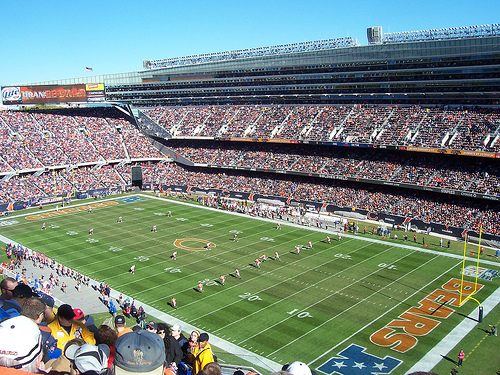
Big draw24 mi Stadium & arenaSoldier Field
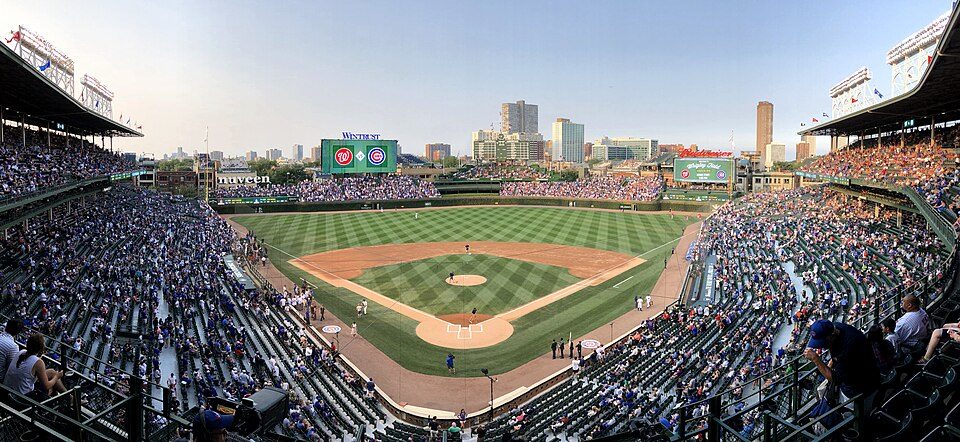
Big draw30 mi Stadium & arenaWrigley Field
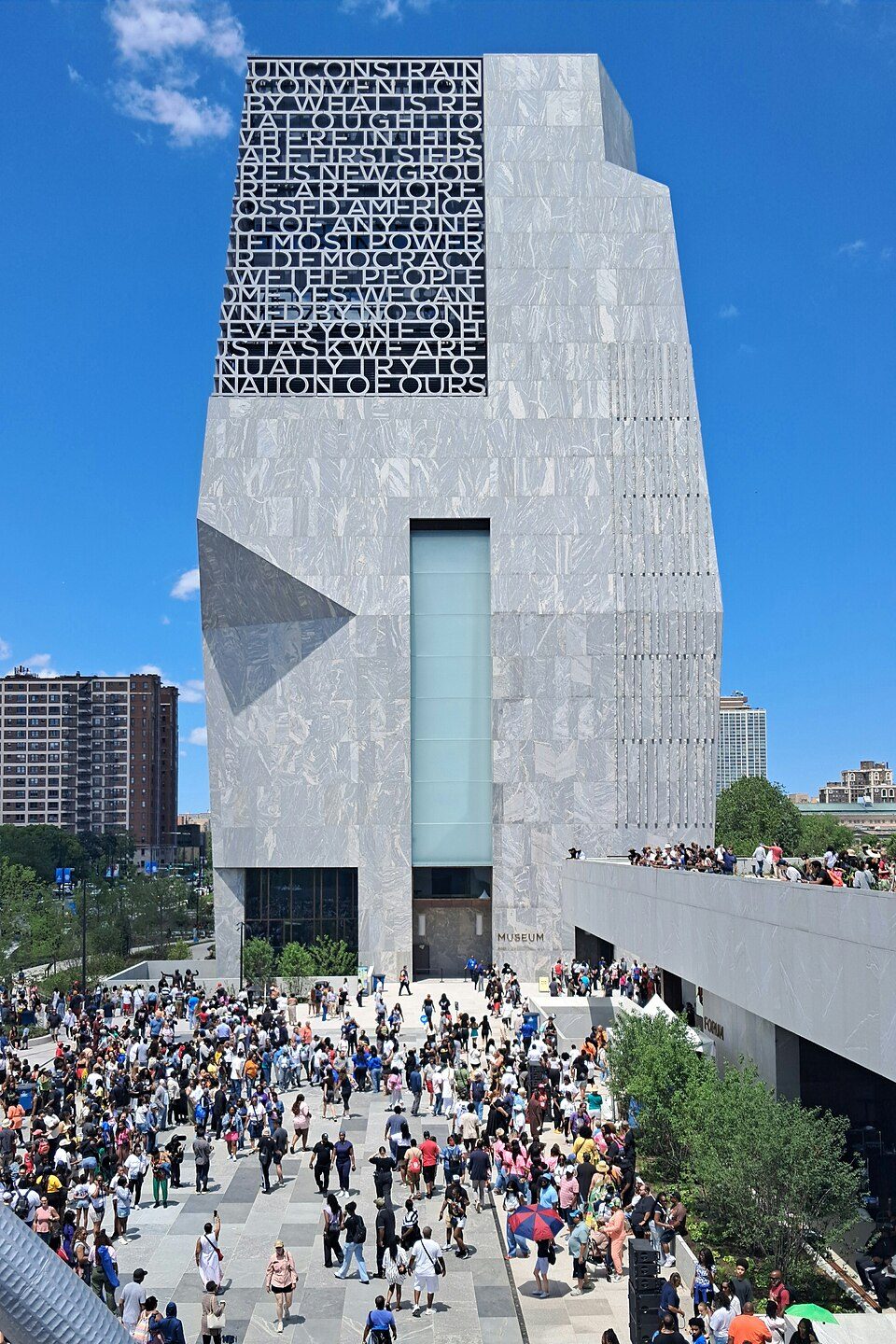
Big draw19 mi MuseumBarack Obama Presidential Center
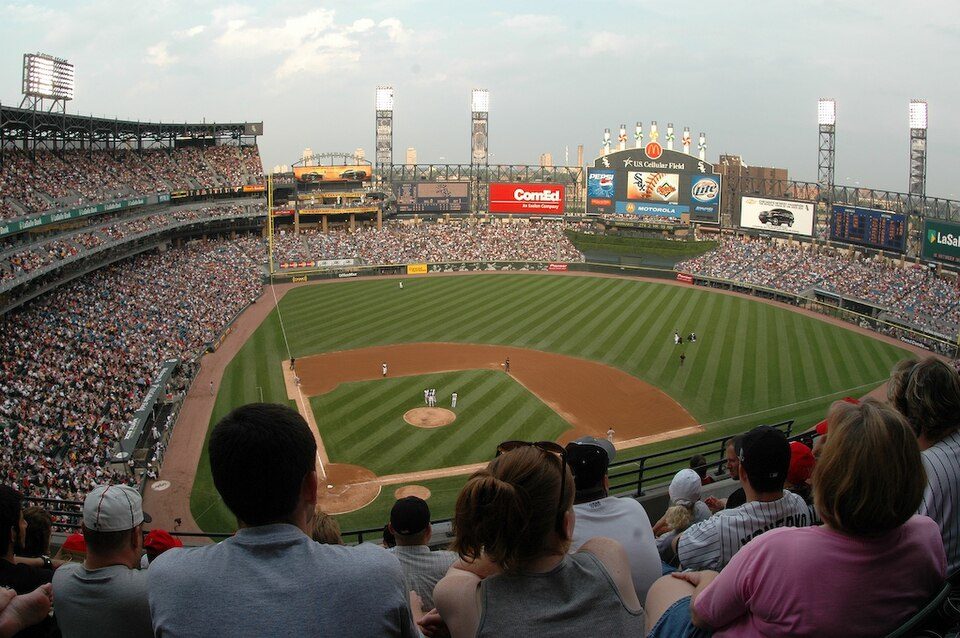
Big draw22 mi Stadium & arenaRate Field
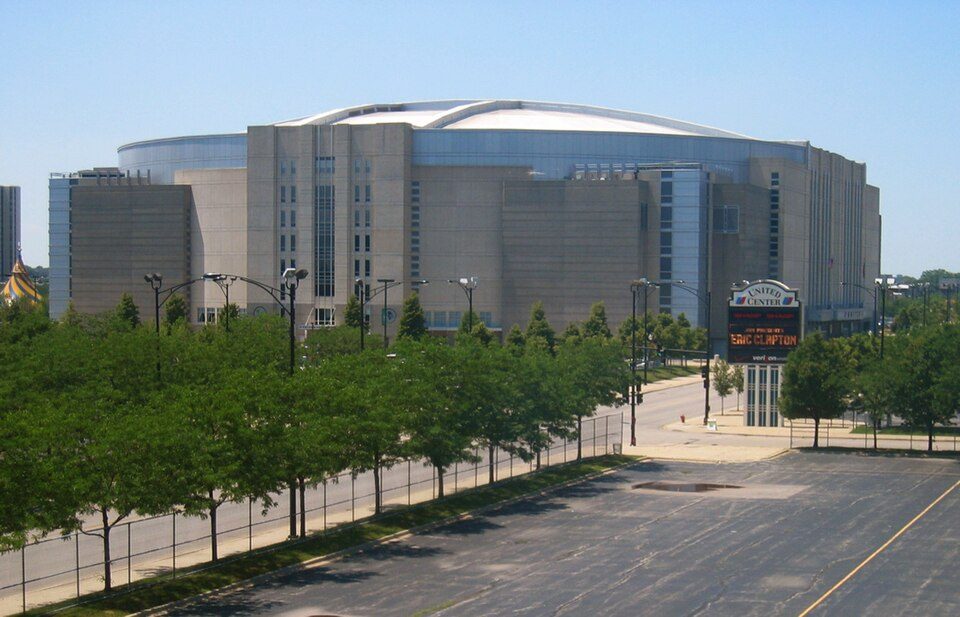
Big draw25 mi Stadium & arenaUnited Center
Big draw25 mi MuseumArt Institute of Chicago1.5M visitors a yearSoldier Field: Photo by Joon Han Contact: [email protected], CC BY-SA 3.0 · Wrigley Field: Ryan Dickey, CC BY 2.0 · Barack Obama Presidential Center: AlphaBeta135, CC0 · Rate Field: User Enoch Lai on en.wikipedia, CC BY-SA 3.0 · United Center: User:JeremyA, CC BY-SA 2.5 · Art Institute of Chicago: ajay_suresh, CC BY 2.0
Who provides power, water and the rest in Olympia Fields, and how to reach them.
EPA SDWIS (Oct 9, 2026) · HIFLD + EIA-861 2025 · Census 2020 ZCTAs · NCES 2024–25 · registration: vote.gov, updated Sep 12, 2025.
Ordered by what stands out in Olympia Fields.
Olympia Fields draws workers from Chicago and beyond and owes part of its health edge to its incomes, but it reports property crime at about twice the Illinois rate.
4.8 miles of trail in 5 parks and preserves. The trail density in Olympia Fields is 1.7 miles per square mile.
| Olympia Fields | Illinois towns | U.S. towns | |
|---|---|---|---|
| Miles of trail per square mile | 1.7 miles per square mile | 0.3 | 0.4 |
| Conserved land | 7.3% | 3.6% | 4.3% |
| Biggest places to walk | Trails | Acres |
|---|---|---|
| 1. Bicentennial Park | 0.5 mi | 12 |
| 2. Tolentine Park | 0.4 mi | 12 |
| 3. Sergeant Means Park | 0.3 mi | 19 |
Trails & parks © OpenStreetMap contributors · Conserved land: USGS PAD-US
3,855 jobs are based in Olympia Fields, 2.2 for every working resident, so most of the people who work here commute in. The average commute takes 42.8 minutes, against 27.8 across Illinois.
Most working residents leave Olympia Fields for work: only 3% work in town. Olympia Fields’ average trip to work is 43 minutes. Since 2013, Olympia Fields has added 1,674 jobs, to 3,855 in 2023.
| Olympia Fields | Illinois towns | U.S. towns | |
|---|---|---|---|
| Average trip to work | 43 minutes | 26 minutes | 25 minutes |
| Median household income | $124,000 | $83,000 | $80,000 |
| Below the poverty line | 14% | 8.4% | 9.6% |
| Working residents who work in town | 2.9% | 8.4% | 8% |
Census LEHD 2023 · ACS
Property crime runs at 38.6 per 1,000 residents, about twice the Illinois rate, most of it theft.
Only 6 of the 357 Illinois towns we compare have a higher property crime rate than Olympia Fields. Olympia Fields reports more crime per resident than most U.S. towns we grade: about 91% report less.
| Olympia Fields | Illinois towns | U.S. towns | |
|---|---|---|---|
| Property crimes per 1,000 (2025) | 38.6 per 1,000 residents | 7.9 | 9.9 |
| Violent crimes per 1,000 (2025) | 1.8 per 1,000 residents | 1 | 1.6 |
FBI crime data, 2025 · crimes reported to police
Against the 5,186 U.S. towns with household incomes like Olympia Fields’s, it is less healthy than 72%: its national edge comes with its incomes.
12% of adults binge drink in Olympia Fields. No town among the 767 in Illinois we compare has a higher share of adults who had a checkup this year than Olympia Fields. 9% of adults smoke cigarettes in Olympia Fields.
| Olympia Fields | Illinois towns | U.S. towns | |
|---|---|---|---|
| Binge drink (CDC PLACES) | 12% | 18% | 16% |
| Depression (CDC PLACES) | 15% | 22% | 23% |
| Yearly checkup (CDC PLACES) | 86% | 78% | 79% |
| High blood pressure (CDC PLACES) | 45% | 35% | 35% |
| What stands out | Olympia Fields | IL |
|---|---|---|
| Fewer uninsured adults | 6.4% | 9.9% |
| Fewer binge drinkers | 12.1% | 17.8% |
| More adults who have had a stroke | 5.2% | 3.3% |
CDC PLACES 2025 · modeled estimates for adults · CMS · HRSA
Olympia Fields has chilly winters and warm summers. July afternoons reach 84°, January nights drop to 17° and about 28 inches of snow falls in a winter.
NOAA U.S. Climate Normals, 1991–2020
94.5% of renter households pay 30% or more of their income for housing, against 47.9% across Illinois. The median property tax bill is $9,686, against $5,298 across Illinois, another input to its cost-of-living grade.
The typical Olympia Fields home is worth about $343,000, up 5.3% in a year, 16% above the Illinois typical home. 89% of Olympia Fields households own their home.
Census ACS, 2020–24 · Zillow Home Value Index · Redfin Data Center
Expected storm and flood damage is lower than in 58% of U.S. communities. Since 1978, 23 flood insurance claims have been paid out in Olympia Fields.
FEMA flood insurance claims · FEMA National Risk Index · OpenFEMA
12 within 15 miles of the center of Olympia Fields
About 5 of every 100 Olympia Fields residents are enrolled in college, about the same as Illinois.
7.3% of the town is conserved land, across 5 parks and preserves.
Village in Illinois, United States
Olympia Fields is a village in Cook County, Illinois, United States. The population was 4,718 as of the 2020 census. It is a southern suburb of Chicago. The municipality grew up around the prestigious Olympia Fields Country Club, originally established in 1915. Olympia Fields is noteworthy as one of the wealthiest and best educated, majority African-American communities in the United States. The village's zip code (60461) is one of three majority African American communities which rank among the top five percent in the U.S. for median household income and share of adults with college degrees, and Olympia Fields also has the highest black homeownership rate in the country among majority-blac…
From Wikipedia, licensed CC BY-SA 4.0 · facts via Wikidata (CC0)
4 towns share a border with Olympia Fields.
| Town | IL rank | Overall | Cost | Safety | Schools | Health |
|---|---|---|---|---|---|---|
| Olympia Fields | #706 | D | D− | D | C− | B+ |
| Chicago Heights | #724 | D | B− | D− | C | C |
| Flossmoor | #456 | B− | D | C | B | A |
| Park Forest | #675 | C− | C+ | C+ | C− | C |
| Matteson | #620 | C | C− | — | C− | B |
Matteson reports no FBI crime data of its own. Compare Olympia Fields with a neighbor →
Short answers, built from the data on this page.
Olympia Fields grades D overall, better than 12% of U.S. towns and #706 of 767 in Illinois. It grades B+ for health, D for safety and C− for schools. Cost of living is its weak spot, with a D−.
Yes. That is 3.8 years of the area's median household income ($90,887 across the Chicago-Naperville-Elgin, IL-IN metro area). Cost of living, which also weighs rents, property taxes and how many households pay 30% or more of their income for housing, grades D−.