Oak Park dates to 1835, and 59% of its homes were built before 1940
Among the most historic 1% of U.S. towns · #3 of 768 in Illinois. What drives it
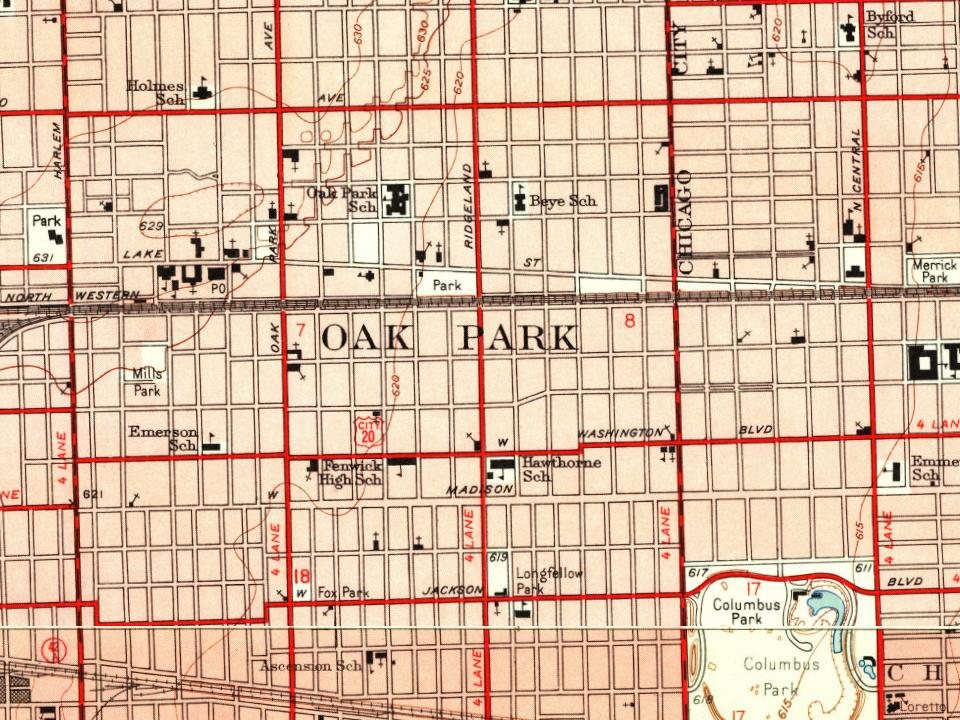
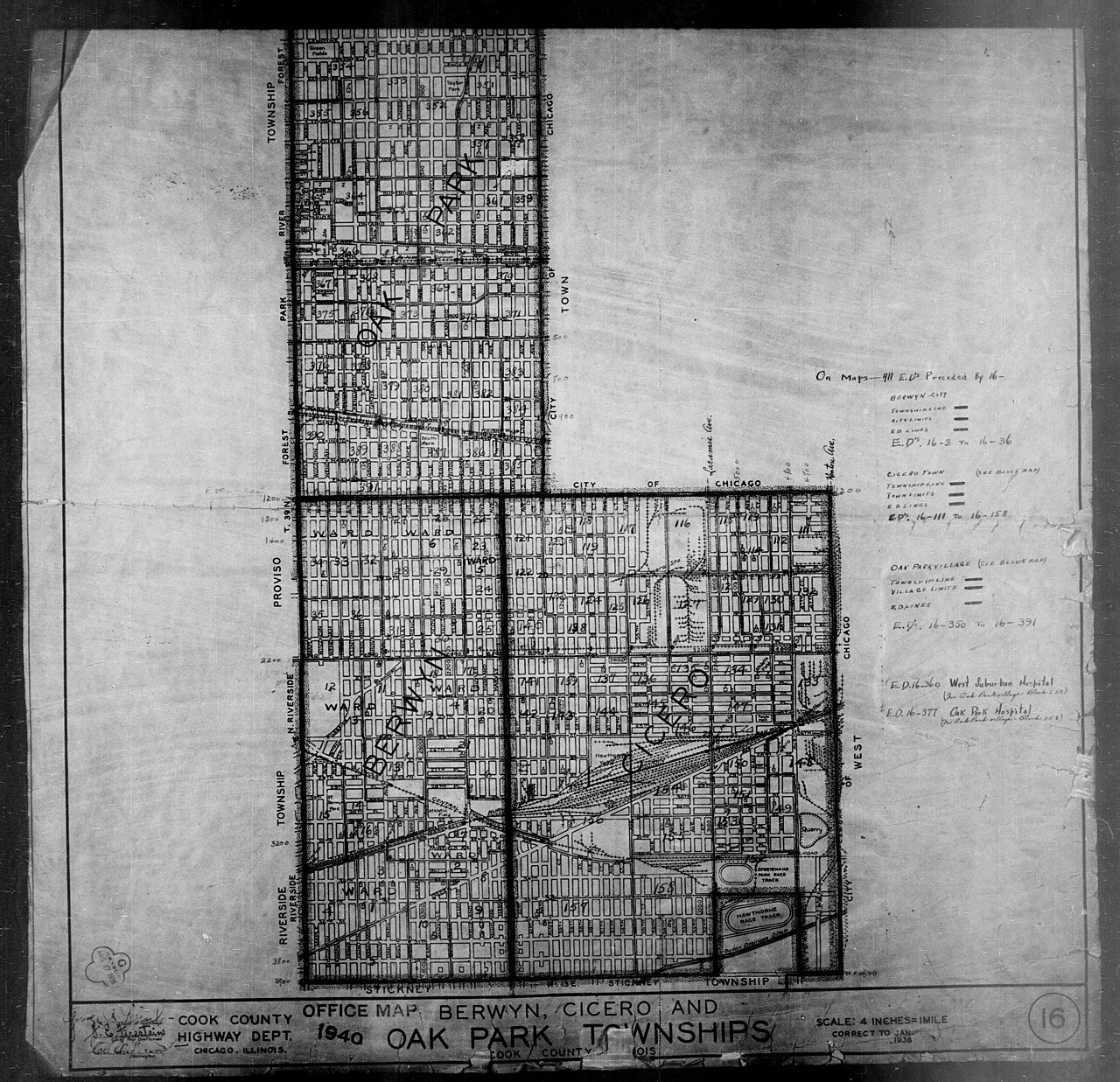
14 places in town are on the National Register, among them 3 National Historic Landmarks and four historic districts with 3,514 buildings between them. Below: 26 old photos and papers, maps from 1891 on, and the census since 1910.
Founding year: Wikidata; Wikipedia’s history section gives the same year. First post office: 1846.The full story ↓
History grade
What drives Oak Park’s History grade
On its age, its old homes and the National Register, Oak Park is among the most historic 1% of U.S. towns, #3 of 768 in Illinois. All 3 inputs are above most U.S. towns; its share of homes from before 1940 ranks highest and its age lowest.
A+
HistoryA character grade: shown, never part of Oak Park’s overall grade.
Few Illinois towns list much on the Register (a typical Illinois town has 0.5 per 10,000 residents, the U.S. 2.4), so Oak Park’s 661 sits above most of its state (99% of Illinois towns have fewer) while its 3,525 historic buildings outnumber those of 100% of U.S. towns.
How sure. Graded on any two of the three inputs instead, the letter would still be A+. The pre-1940 share (±2.0 points) is firm at this size. Two sources give 1835.
Founding year: Wikidata (other dates in Quick answers). Homes: Census ACS 2020–24. National Register: National Park Service, May 2026 list; each listing counted once (boundary changes and added documentation belong to their listing), and a historic district counts its contributing buildings. How TownRatings grades history →
What stands out about Oak Park’s past
Read from the archive, the National Register and the record. The page puts what stands out first.
The country’s official list of buildings and places worth saving. 3 are National Historic Landmarks, the highest tier. Boundary changes and added documentation are counted with their listing.
Nothing in the archives for these yearsWeddings on Main Street, storms, parades, school pictures, the old store. If it’s in your family album, it belongs here.
In 1835, Joseph and Betty Kettlestrings, immigrants from Yorkshire, England, staked out a farm and built a house near Lake Street and Harlem Avenue, west of Chicago. Once their children were born, they moved to Chicago for the schools in 1843, and moved back again in 1855 to build a more substantial home a bit east on their quarter section of land. More farmers and settlers had entered the area. Their land was called by several names locally, including Oak Ridge, Harlem, and Kettlestrings Grove. When the first post office was set up, it could not use the name Oak Ridge, as another post office was using that name in Illinois, so the post office chose Oak Park, and that name became the name for the settlement as it grew, and for the town when it incorporated in 1902.
Passages that mention Oak Park, cut from the printed page as they were published.
History of Cook County, Illinois. From the earliest period to the present time1884 · page 786Read the page →
Read the text
Avenue is a station on Oak Park Avenue, established for the convenience of those residing HI the eastern part of Oak Park.
Text read by machine from the scan; it may contain errors.
History of Cook County, Illinois. From the earliest period to the present time1884 · page 783Read the page →
Read the text
I'ark at the same time. This was done on account of the confusion existing from having the post-office named Noycsville, the railroad station named Harlem and the village named Oak Park. On the 28th of April. 1.S71, O. W. Herrick was appointed Postmaster, anil served until the summer of 18; 3, when he was succeeded by John Merton, who continued in the office until July, 1875. K IV. Phelps, the present incumbent then suc-
Text read by machine from the scan; it may contain errors.
Scans and text from the Internet Archive. Books published in 1930 or earlier, which are in the public domain.
Timeline
Oak Park, 1835 to 1930
Woven from the archive, old maps, post office records, the National Register and the people born here.
In 1835, according to Wikidata and Wikipedia’s history of the town. Oak Park’s post office opened in 1846, and the census of 1910 counted 19,444 people here.
How does Oak Park rank for history?
Oak Park is among the most historic 1% of U.S. towns, #3 of 768 in Illinois. The History grade combines the town’s founding era, the share of homes built before 1940 and its National Register listings. It’s a character grade, so it isn’t part of the overall grade. How it works.
What is on the National Register in Oak Park?
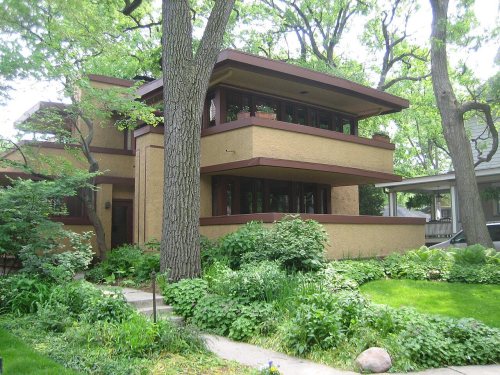
14 listings, 3 of them National Historic Landmarks: 10 buildings, among them the Unity Temple (a National Historic Landmark since 1970) and the Mrs. Thomas H. Gale House (listed 1970, the first), and 4 historic districts with 3,514 contributing buildings. 3,525 historic buildings in all.
How old are the homes in Oak Park?
59% of Oak Park’s homes were built before 1940 (Census estimate, ±2.0 points), against a typical 11% for an Illinois town; the median home was built in 1938.
Founding dates: Wikidata, Wikipedia, the U.S. post office records of Blevins & Helbock (CC0) and the Census. Homes by year built: Census ACS 2020–24. National Register of Historic Places: National Park Service (list of May 22, 2026). Old photos, postcards and papers: Wikimedia Commons, the Library of Congress and other public archives, credited on each item’s page. Maps: U.S. Geological Survey historical topographic maps (via Esri) and Sanborn fire-insurance maps (Library of Congress). History text and census tables: Wikipedia (CC BY-SA 4.0). Places that used to be: USGS Geographic Names Information System (2021).
From Wikimedia Commons (21), the Library of Congress (5), Wikidata (2), the National Register of Historic Places (14), Wikipedia, Wikidata and Wikipedia for famous people, U.S. Geological Survey historical maps, U.S. Census counts (via Wikipedia), the US Post Offices dataset (Blevins & Helbock), the USGS Geographic Names Information System, Sanborn fire insurance maps (Library of Congress) and old county and town histories (Internet Archive). Archive images are copied here with their credits and licenses, shown on each photo’s page. Refreshed monthly.


 ★ Landmark
 ★ Landmark


 1880
 1880
 1880
 1886
 1886
 1886
 1890
 1890
 1900
 1905
 1910
 1910
 1910
 1919
 1919
 1927
 c. 1930
 c. 1930
 1938
 1938
 1938
 1962
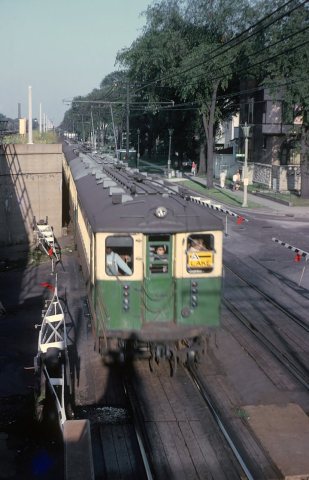 1962
 1962
 1968
 1968