O'Fallon dates to 1854, and 1 of its places is on the National Register
More historic than 36% of U.S. towns · #499 of 768 in Illinois. What drives it
Most of O'Fallon was built recently: 5% of its homes predate 1940 and the median home dates from 1997. Its Register listing is the Tiedemann House. Below: 12 old photos and papers, maps from 1907 on, and the census since 1870.
Founding year: Wikidata. First post office: 1888.The full story ↓
History grade
What drives O'Fallon’s History grade
On its age, its old homes and the National Register, O'Fallon is more historic than 36% of U.S. towns, #499 of 768 in Illinois. Its National Register listings hold the grade up; its share of homes from before 1940 pulls it down.
C+
HistoryA character grade: shown, never part of O'Fallon’s overall grade.
Few Illinois towns list much on the Register (a typical Illinois town has 0.5 per 10,000 residents, the U.S. 2.4), so O'Fallon’s 0.3 sits near the middle of its state (58% of Illinois towns have fewer) while its 1 listings outnumber those of 51% of U.S. towns.
How sure. Graded on any two of the three inputs instead, the letter would range from C to C+. The pre-1940 share (±1.4 points) is firm at this size. Two sources give 1854.
Founding year: Wikidata (other dates in Quick answers). Homes: Census ACS 2020–24. National Register: National Park Service, May 2026 list; each listing counted once (boundary changes and added documentation belong to their listing), and a historic district counts its contributing buildings. How TownRatings grades history →
What stands out about O'Fallon’s past
Read from the archive, the National Register and the record. The page puts what stands out first.
Nothing in the archives for these yearsWeddings on Main Street, storms, parades, school pictures, the old store. If it’s in your family album, it belongs here.
Nothing in the archives for these yearsWeddings on Main Street, storms, parades, school pictures, the old store. If it’s in your family album, it belongs here.
Founded in 1854, O'Fallon's namesake comes from Colonel John O'Fallon who was a wealthy gentleman from St. Louis. In downtown O'Fallon, a Baltimore and Ohio Railroad railroad depot was built, which helped put O'Fallon on the map. City lots were platted and sold at a public auction on May 18, 1854. A post office was established the following year and the city began attracting German settlers looking for fertile farming land. On January 27, 1874, O'Fallon was incorporated as a village. On March 14, 1905, the citizens voted for a change to the city form of government. Since its founding, O'Fallon has gained population every decennial census year except 1930, when the census showed a net loss of six residents.
Passages that mention O'Fallon, cut from the printed page as they were published.
History of St. Clair County, Illinois. With illustrations ... and biographical sketches of some of its prominent men and pioneers1881 · page 294Read the page →
Read the text
fidence of the people of his part of the county, and has creditably filled several public positions. In 1865 he was appointed deputy assessor, and re-appointed every year, until elected county commisfioner. On his removal to O'Fallon he was elected constable. In 1871 he was chosen justice of the peace, and in February, 1874, was elected one of the trustees of the village of O'Fallon, and made president of the board. In April, 1874, he was elected to the office of police magistrate. In 1878 he was again elected village trustee
Text read by machine from the scan; it may contain errors.
History of St. Clair County, Illinois. With illustrations ... and biographical sketches of some of its prominent men and pioneers1881 · page 174Read the page →
Read the text
This was at an early date. When the town of O'Fallon was started, the class was moved to the school-house, and the name changed to the O'Fallon class. Their present neat church was built in 1864 at a cost of $7500. Their membership at present numbers about sixty.
Text read by machine from the scan; it may contain errors.
Centennial, McKendree college, with St. Clair County history1928Read the page →
Read the text
Other Cities and Towns SOME of the earliest settlers of St. Clair County had their homes within a short distance of the present town of O'Fallon, as the Ogles, the Lemens, the Scotts, and others. But the town itself had its origin with the building of the Ohio and Mississippi Railway, which is now known as the Baltimore and Ohio. This enterprise was completed in 1854. Colonel John O'Fallon, of St. Louis, was an officer in
Text read by machine from the scan; it may contain errors.
Centennial, McKendree college, with St. Clair County history1928Read the page →
Read the text
for a while on the form of S. C. Smiley, near O'Fallon. Many years were spent in the mines ,ind here he gained a thorough knowledge of the coal industry, and gradually worked his way up to a better position, hi 1916 Governor Deneen appointed him State Humane Officer, with his station on the Eads Bridge, in E. St. Louis. This office he held for four years, and then went hack into the mines for a time. In igio he was m.ide deputy sheriff under Ed. Petri, and was reap-
Text read by machine from the scan; it may contain errors.
Scans and text from the Internet Archive. Books published in 1930 or earlier, which are in the public domain.
Timeline
O'Fallon, 1854 to 1997
Woven from the archive, old maps, post office records, the National Register and the people born here.
In 1854, according to Wikidata. O'Fallon’s post office opened in 1888, and the census of 1870 counted 1,117 people here.
How does O'Fallon rank for history?
O'Fallon is more historic than 36% of U.S. towns, #499 of 768 in Illinois. The History grade combines the town’s founding era, the share of homes built before 1940 and its National Register listings. It’s a character grade, so it isn’t part of the overall grade. How it works.
What is on the National Register in O'Fallon?
One place: the Tiedemann House (listed 2020).
How old are the homes in O'Fallon?
5% of O'Fallon’s homes were built before 1940 (Census estimate, ±1.4 points), against a typical 11% for an Illinois town; the median home was built in 1997.
Founding dates: Wikidata, Wikipedia, the U.S. post office records of Blevins & Helbock (CC0) and the Census. Homes by year built: Census ACS 2020–24. National Register of Historic Places: National Park Service (list of May 22, 2026). Old photos, postcards and papers: Wikimedia Commons, the Library of Congress and other public archives, credited on each item’s page. Maps: U.S. Geological Survey historical topographic maps (via Esri) and Sanborn fire-insurance maps (Library of Congress). History text and census tables: Wikipedia (CC BY-SA 4.0). Places that used to be: USGS Geographic Names Information System (2021).
From Wikimedia Commons (12), the National Register of Historic Places (1), Wikipedia, Wikidata and Wikipedia for famous people, U.S. Geological Survey historical maps, U.S. Census counts (via Wikipedia), the US Post Offices dataset (Blevins & Helbock), the USGS Geographic Names Information System and old county and town histories (Internet Archive). Archive images are copied here with their credits and licenses, shown on each photo’s page. Refreshed monthly.


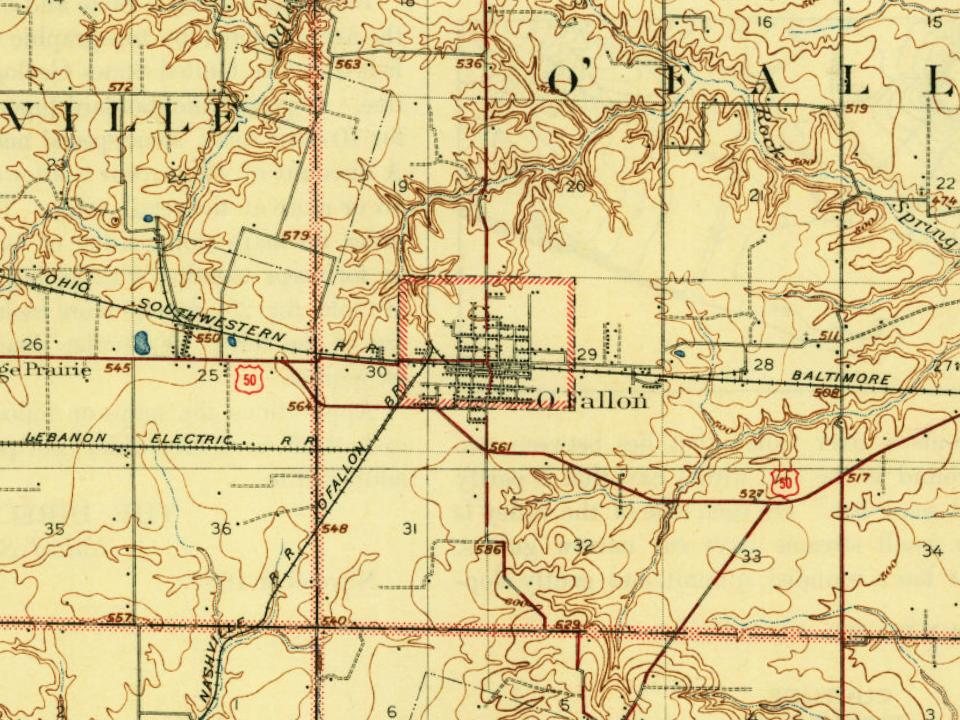


 1917
 1917
 1968
 1968
 1968
 1968
 1968
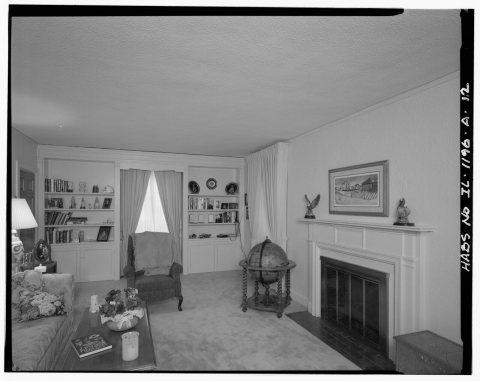 1968
 1968
 1968
 1968
 1968