Newton dates to 1846, and 23% of its homes were built before 1940
More historic than 91% of U.S. towns · #24 of 140 in Iowa. What drives it
9 places in town are on the National Register, among them four historic districts with 118 buildings between them. Below: 16 old photos and papers, maps from 1883 on, and the census since 1860.
Founding year: Wikipedia. First post office: 1847.The full story ↓
History grade
What drives Newton’s History grade
On its age, its old homes and the National Register, Newton is more historic than 91% of U.S. towns, #24 of 140 in Iowa. All 3 inputs are above most U.S. towns; its National Register listings ranks highest and its share of homes from before 1940 lowest.
A
HistoryA character grade: shown, never part of Newton’s overall grade.
Iowa towns list more on the Register than most of the country (a typical Iowa town has 9.1 per 10,000 residents, the U.S. 2.4), so Newton’s 79.0 sits above most of its state (80% of Iowa towns have fewer) while its 124 historic buildings outnumber those of 91% of U.S. towns.
How sure. Graded on any two of the three inputs instead, the letter would range from A− to A. The pre-1940 share is a Census survey estimate (±4.1 points). Two sources give 1846.
Founding year: Wikipedia (other dates in Quick answers). Homes: Census ACS 2020–24. National Register: National Park Service, May 2026 list; each listing counted once (boundary changes and added documentation belong to their listing), and a historic district counts its contributing buildings. How TownRatings grades history →
What stands out about Newton’s past
Read from the archive, the National Register and the record. The page puts what stands out first.
National Park Service, National Register of Historic Places. Photos from Wikimedia Commons, credited on each place’s page.
Every building
Newton, building by building, 1883–1918
Fire insurance maps drew every building, what it was made of and what it was used for, so insurers could price the risk of fire. Pick a year, then a sheet.
1883Sheet 1 of 1
Edition
Sheets
BrickWoodStone
Sanborn Map Company, via the Library of Congress. Editions published in 1930 or earlier, which are in the public domain.
By decade
Newton, decade by decade
4 decades in the archive, from the 1860s to the 1920s. Scroll each row; tap a photo for its story.
Nothing in the archives for these yearsWeddings on Main Street, storms, parades, school pictures, the old store. If it’s in your family album, it belongs here.
Newton was founded in 1846 as Newton City, then shortened to Newton in 1847 and incorporated as a city in 1857. It was named to pair with Jasper County, following a common American naming scheme at the time in honor of Revolutionary War soldiers John Newton and William Jasper. In the late 19th century, Newton's growth was fueled by the development of coal mines in the region. The first significant mine in the area was the Couch mine of the Jasper County Coal and Railway Company, opened in the 1870s. For a while, it was the largest mine in the county, producing 70 tons per day. William Snooks opened a mine near Newton in 1886. In the early 20th century, large scale mining in the Newton area had declined, but there were still several mines in the area that were worked intermittently.
Passages that mention Newton, cut from the printed page as they were published.
History of the Newton families of colonial America, with American history of family interest not obtainable elsewhere1927Read the page →
Read the text
resent our family in Christian names so closely that I have concluded the family was more probably allied with that one in the north part of Lancashire. perhaps Whettington parish or one adjacent. In Domesday Survey mention is made of Neutona (Newton) a; being held by Earl Tostey, and the Newtons of Whettington evidently obtainod their sur name from this manor. I have the will of William Newton of Whe:- tington, dated August 12, 1554, which mentions a Brvan Newton and sonne Thomas Newton. Later wills and inquisitions contain these sig-
Text read by machine from the scan; it may contain errors.
History of the Newton families of colonial America, with American history of family interest not obtainable elsewhere1927Read the page →
Read the text
Mr. Alexander spent a great amount of time in an effort to find the charge made against Thomas Newton- Savage said it doubtless was witchcraft. Lull personally told me he thought it was adultery, but Alexander has proven this was not the charge and wrote me that he was convinced Thomas Newton was a victim of conspiracy on the part of Roger Ludlow and other enemies of Newton, for it took but one witness to convict of a capital crime. Alexander advised me he had investigated the charges of witchcraft against two of his own ancestors.
Text read by machine from the scan; it may contain errors.
Scans and text from the Internet Archive. Books published in 1930 or earlier, which are in the public domain.
Timeline
Newton, 1846 to 1981
Woven from the archive, old maps, post office records, the National Register and the people born here.
In 1846, according to Wikipedia’s history of the town. Newton’s post office opened in 1847, and the census of 1860 counted 1,617 people here.
How does Newton rank for history?
Newton is more historic than 91% of U.S. towns, #24 of 140 in Iowa. The History grade combines the town’s founding era, the share of homes built before 1940 and its National Register listings. It’s a character grade, so it isn’t part of the overall grade. How it works.
What is on the National Register in Newton?
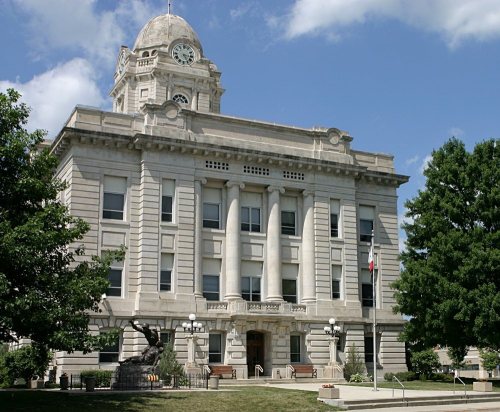
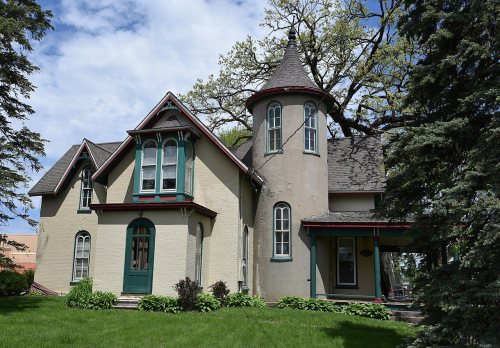
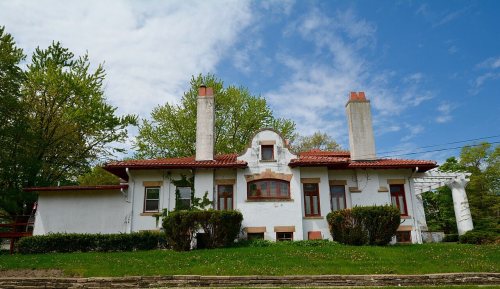
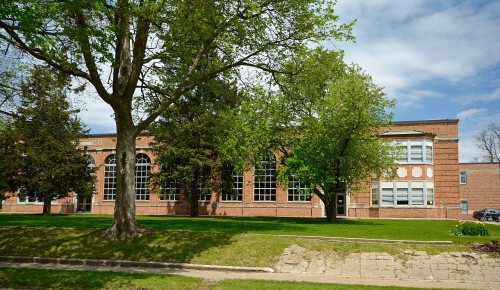
9 listings: 5 buildings, among them the St. Stephen's Episcopal Church (listed 1977, the first), and 4 historic districts with 118 contributing buildings. 124 historic buildings in all.
How old are the homes in Newton?
23% of Newton’s homes were built before 1940 (Census estimate, ±4.1 points), against a typical 22% for an Iowa town; the median home was built in 1963.
Founding dates: Wikidata, Wikipedia, the U.S. post office records of Blevins & Helbock (CC0) and the Census. Homes by year built: Census ACS 2020–24. National Register of Historic Places: National Park Service (list of May 22, 2026). Old photos, postcards and papers: Wikimedia Commons, the Library of Congress and other public archives, credited on each item’s page. Maps: U.S. Geological Survey historical topographic maps (via Esri) and Sanborn fire-insurance maps (Library of Congress). History text and census tables: Wikipedia (CC BY-SA 4.0). Places that used to be: USGS Geographic Names Information System (2021).
From Wikimedia Commons (9), the Library of Congress (7), Wikidata (1), the National Register of Historic Places (9), Wikipedia, Wikidata and Wikipedia for famous people, U.S. Geological Survey historical maps, U.S. Census counts (via Wikipedia), the US Post Offices dataset (Blevins & Helbock), the USGS Geographic Names Information System, Sanborn fire insurance maps (Library of Congress) and old county and town histories (Internet Archive). Archive images are copied here with their credits and licenses, shown on each photo’s page. Refreshed monthly.




 c. 1865
 c. 1865
 c. 1865
 c. 1865
 c. 1865
 1868
 c. 1870
 c. 1870
 1900
 1907
 1907
 1920
 1920
 1920
 1920
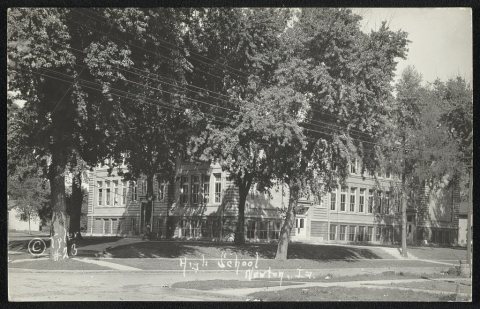 1920


