Hawaiian BeachesHI
The town, home to 3,947 people, lies in Hawaii State.
Is Hawaiian Beaches a good place to live?
Hawaiian Beaches’ weakest subject grade is a D− for hazard risk. Hawaiian Beaches’ typical journey to work is 43 minutes, above both Hawaii State’s towns (28 minutes) and U.S. towns (25 minutes). Only 1 of Hawaii State’s 125 towns score lower on health. The median household income is $29K, and 40% of residents live below the poverty line. 82% of the land in Hawaiian Beaches is conserved, above both Hawaii State’s towns (12%) and U.S. towns (4.3%). The biggest park or preserve is Nanawale Forest Reserve, at 437 acres. Hawaiian Beaches has no overall grade: it has no figures for safety and schools, and an overall grade needs at least three of the four big subjects (cost of living, safety, schools and health).
How Hawaiian Beaches grades
Each subject compared with towns across the country (schools within Hawaii State), ordered by how far Hawaiian Beaches is from typical.
Hawaiian Beaches has no overall grade: it has no figures for safety and schools, and an overall grade needs at least three of the four big subjects (cost of living, safety, schools and health).
How TownRatings grades towns →
4 miles of trails in Hawaiian Beaches
81.6% of the town is conserved land, across 5 parks and preserves.
The data
Ordered by what stands out in Hawaiian Beaches.
Conserved land covers nearly a third of Hawaiian Beaches
Across 5 parks and preserves run 4.3 miles of trail. 448 acres of Hawaiian Beaches lie in its parks and preserves. In Hawaiian Beaches, the trail network density is 0.3 miles per square mile.
| Biggest places to walk | Trails | Acres |
|---|---|---|
| 1. Nanawale Forest Reserve | — | 437 |
| 2. Honu Street Park | — | 4 |
| 3. Maikoiko Park | — | 3 |
Trails & parks © OpenStreetMap contributors · Conserved land: USGS PAD-US
The schools Hawaiian Beaches’s kids attend
Its one school is below. The Hawaii Department of Education school district runs its public schools. Enrollment at Hawaiian Beaches’s public school: 565 students.
| School | Level | Students | Letter |
|---|---|---|---|
| Keonepoko Elementary SchoolLargest public elementary schoolGrades PK–6 | Grades PK–6 | 565 | D |
NCES · EDFacts
Very high risk in Hawaiian Beaches, with inland flooding at the top
Of the losses FEMA expects in Hawaiian Beaches, 52% come from inland flooding and 36% from earthquakes. Compared with 100% of U.S. communities, expected storm and flood damage locally is higher.
FEMA National Risk Index · OpenFEMA
More of Hawaiian Beaches’ adults worry about having enough food than in the typical Hawaii State or U.S. town
No town among the 93 in Hawaii State we compare has a higher share of adults who smoke cigarettes than Hawaiian Beaches. Hawaiian Beaches: 32% of adults say their health is fair or poor. Among 93 Hawaii State towns, just 2 have a higher share of adults who have diabetes than Hawaiian Beaches. On the CDC’s 32 measures, Hawaiian Beaches is ahead of Hawaii State on 1 and behind on 24.
| Hawaiian Beaches | Typical Hawaii State town | Typical U.S. town | |
|---|---|---|---|
| Fair or poor health (CDC PLACES) | 32% | 18% | 19% |
| Smoke cigarettes (CDC PLACES) | 23% | 12% | 14% |
| Frequent physical distress (CDC PLACES) | 21% | 13% | 14% |
| Food insecurity (CDC PLACES) | 34% | 18% | 14% |
| What stands out | Hawaiian Beaches | HI |
|---|---|---|
| Fewer adults sleeping under 7 hours | 40.5% | 45.7% |
| More adults with COPD | 12.5% | 5.3% |
CDC PLACES 2025 · modeled estimates for adults · CMS · HRSA
With only 0.1 jobs per working resident, most people in Hawaiian Beaches work out of town
The top destinations are Hilo (40%), Urban Honolulu (12%) and Pahoa (8%). Commuting out is the norm in Hawaiian Beaches: 3% of working residents work locally. Also worth knowing: between 2014 and 2024, jobs in the town rose by 23, to 139. For half of commuters, work is under 17 miles away.
Where working residents work
Census LEHD 2024 · ACS
In Hawaiian Beaches, expect mild winters and pleasant summers
Hawaiian Beaches’ midsummer high works out to 83°F.
Typical low → high °F
NOAA U.S. Climate Normals, 1991–2020
The median home in Hawaiian Beaches sells for about $310K
Among 93 Hawaii State towns, just 4 have a higher home-ownership rate than Hawaiian Beaches. The typical rent for Hawaiian Beaches is $1,658 a month. On the market in the town: a median 92 days to sell.
| Hawaiian Beaches | Typical Hawaii State town | Typical U.S. town | |
|---|---|---|---|
| Households that own their home | 85% | 71% | 73% |
| Median rent | $1,658 a month | $2,017 a month | $1,185 a month |
Census ACS, 2020–24 · Zillow Home Value Index · Redfin Data Center
Everything we know about Hawaiian Beaches
Mauna Kea and 13 more within 40 miles
Museums, parks, gardens and other places to visit around Hawaiian Beaches. Close and well known come first.
 Big draw40 mi MountainMauna Kea
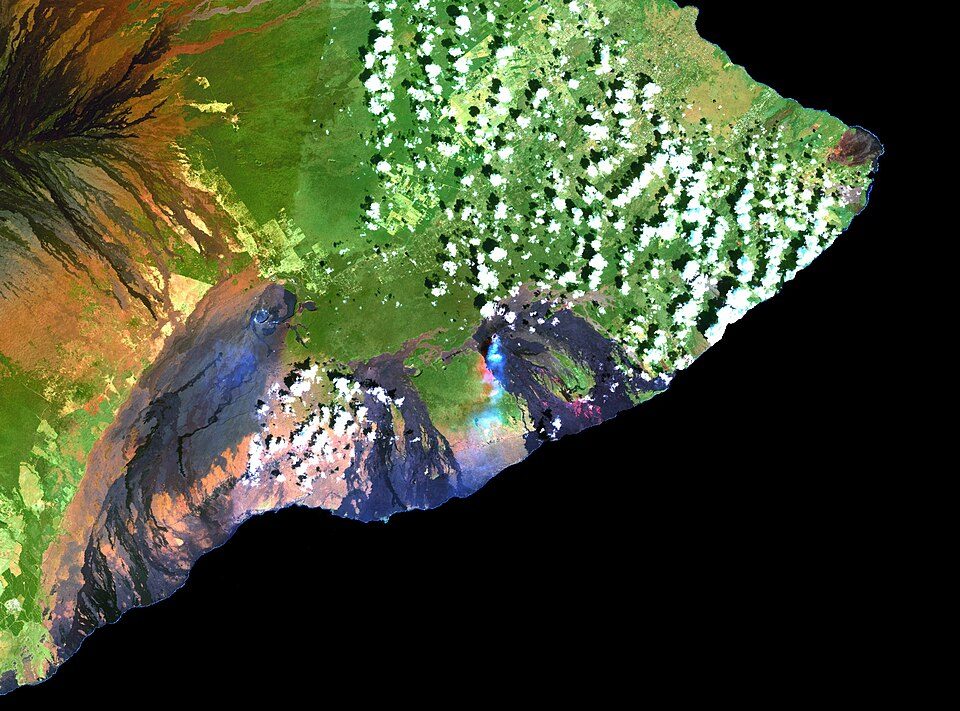 Big draw25 mi MountainKīlauea
 15 mi National ParkHawai'i Volcanoes National Park1.9M visitors a year
 7 mi CaveKazumura Cave
 17 mi WaterfallRainbow Falls
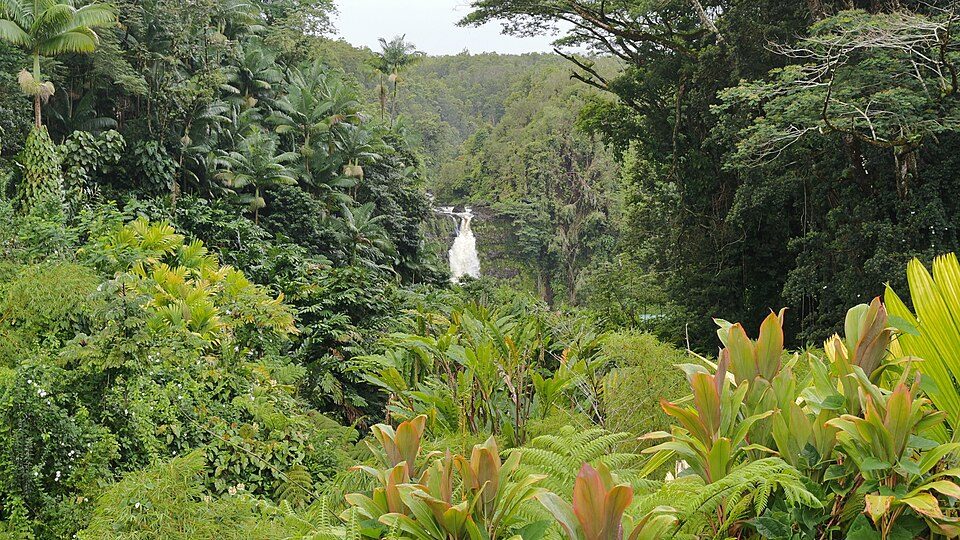 26 mi State parkAkaka Falls State Park
Photo credits
Mauna Kea: Unknown, CC BY-SA 3.0 · Kīlauea: Hawaii Land Cover Analysis project, NOAA Coastal Services Center, Public domain · Hawai'i Volcanoes National Park: Jos-uit-boston at Dutch Wikipedia, CC BY-SA 3.0 · Kazumura Cave: Dave Bunnell / Under Earth Images, CC BY-SA 4.0 · Rainbow Falls: Kyle Hawton, CC BY-SA 3.0 · Akaka Falls State Park: Robert Linsdell from St. Andrews, Canada, CC BY 2.0


Moving to Hawaiian Beaches: who provides what
Hawaiian Beaches is unincorporated, so Hawaii County and regional agencies provide most services.
EPA SDWIS (Oct 9, 2026) · HIFLD + EIA-861 2025 · Census 2020 ZCTAs · NCES 2024–25 · registration: vote.gov, updated Nov 18, 2024.
97% of working residents leave Hawaiian Beaches for work
Where Hawaiian Beaches’s working residents go each day. Line width shows the share.
Census LEHD 2024
Colleges nearby
2 within 15 miles of the center of Hawaiian Beaches
About 4 of every 100 Hawaiian Beaches residents are enrolled in college, against 6 across Hawaii State.
About Hawaiian Beaches
Census-designated place in Hawaii, United States
Hawaiian Beaches is a census-designated place (CDP) in Hawaiʻi County, Hawaiʻi, United States located in the District of Puna. As of the 2020 census, Hawaiian Beaches had a population of 3,976. Its Hawaiian name is Waiakahiʻula.
From Wikipedia, licensed CC BY-SA 4.0 · facts via Wikidata (CC0)
- Area
- 25 sq mi
- Elevation
- 256 ft
- Area code
- 808
Hawaiian Beaches’s neighbors
2 towns share a border with Hawaiian Beaches.
| Town | HI rank | Overall | Cost | Safety | Schools | Health |
|---|---|---|---|---|---|---|
| Hawaiian Beaches | — | — | C | — | — | D |
| Pahoa | — | — | A | — | — | C− |
| Hawaiian Paradise Park | — | — | C | — | — | B |
Pahoa has fewer than 2,500 residents, so it gets subject grades but no overall grade. Hawaiian Beaches, Pahoa and Hawaiian Paradise Park report no FBI crime data of their own. Hawaiian Beaches and Hawaiian Paradise Park aren’t graded (fewer than 1,000 residents, or not enough data). Compare Hawaiian Beaches with a neighbor →
Questions about Hawaiian Beaches
Short answers, built from the data on this page.
Is Hawaiian Beaches, HI a good place to live?
Hawaiian Beaches has no overall grade: it has no figures for safety and schools, and an overall grade needs at least three of the four big subjects (cost of living, safety, schools and health).
Is Hawaiian Beaches, HI expensive?
The typical home is worth about $273,000, 67% below the Hawaii State typical home. Cost of living, which also weighs rents, property taxes and how many households pay 30% or more of their income for housing, grades C.
Say something about Hawaiian Beaches.
Ask a question, answer one, post a photo or an event. Free, and the parts only a neighbor would know are the parts worth reading.