Real strengths, and real weak spots. Its lowest grade is for cost of living: the typical home is worth about $370K, 5.2 years of the Deltona metro’s $71K median household income. Where it does best is walkability: it is easier to get around on foot or by transit than 92% of U.S. towns. All told, that adds up to a C overall and a rank of 316th of 634 in Florida. It comes out better than 34% of U.S. towns. Daytona Beach Shores's civic life (library use, community groups, volunteering) trails 96% of U.S. towns. On history, just 52 of Florida’s 779 towns do worse. Daytona Beach Shores’ midpoint age is 66.8 years, above both Florida’s towns (42.4 years) and U.S. towns (40.5 years).
Figures: home values, Zillow · incomes, Census ACS, 2020–24 · National Register of Historic Places.
Its grades run from A for walkability (better than 92% of comparable towns) to D− for cost of living (better than 3%), so the C overall blends very different results.
Ordered by what stands out in Daytona Beach Shores.
Daytona Beach Shores is a second-home town, has a longer frost-free season than nearly all U.S. towns and trades workers with Daytona Beach and other neighbors.
The Deland 1 Sse weather station, 22 miles away, records that the frost-free season runs about 310 days, longer than in 97% of U.S. towns. January nights average 50.3°, milder than in 99% of U.S. towns; July afternoons average 90.6°.
For Daytona Beach Shores, the January low is 50°F. Snow is a rarity.
69 flood insurance claims have been filed here, and 10 properties have flooded more than once.
The FEMA risk score in Daytona Beach Shores is 67 of 100. The national flood insurance program has paid 69 claims locally since 1978. 52% of the town’s expected losses from natural hazards come from hurricanes, followed by inland flooding at 32%. Federal disaster aid has reached households in Daytona Beach Shores after 14 declared disasters, most recently in 2024.
Among adults in Daytona Beach Shores, 49% have high blood pressure and 87% had a checkup this year. Of 31 CDC measures, Daytona Beach Shores beats the Florida average on 16 and trails it on 8. In Daytona Beach Shores, 28% of adults sleep under 7 hours.
Daytona Beach Shores has about as many jobs (1,662) as working residents, but only 105 people both live and work here. 26.1% of workers work from home, against 15.7% across Florida.
The top destinations are Daytona Beach (19%), Port Orange (8%) and Ormond Beach (5%). Most working residents leave Daytona Beach Shores for work: only 6% work in town. Among workers here, 26% do their job from home. Half of commuters travel less than 21 miles.
6%work in town
Daytona Beach Shores
Florida towns
U.S. towns
Work from home
26%
14%
11%
Average trip to work
34 minutes
27 minutes
25 minutes
Below the poverty line
5.7%
11%
9.6%
Where working residents work
In Daytona Beach Shores6%
Daytona Beach19%
Port Orange8%
Ormond Beach5%
DeLand4%
21 mi
median commute distance
1,662
jobs based in Daytona Beach Shores
Balanced
jobs vs. working residents
A
Walkability grade: more walkable than 92% of U.S. towns
Daytona Beach Shores's reported crime rate is above Florida's. The rate of thefts and burglaries for Daytona Beach Shores comes to 24.4 per 1,000 residents. Most reported incidents are property crimes, mainly thefts. 11 violent crimes were reported in 2022.
The typical value, about $370K, is 16% below its December 2022 peak. The median property tax bill is $4,192, against $2,730 across Florida, another input to its cost-of-living grade.
A typical home in Daytona Beach Shores is worth about $370,000, up 1.5% in a year, close to the Florida typical home. On the market locally: a median 91 days to sell. Homes in Daytona Beach Shores sold for 94.5% of their list price on average.
Daytona Beach Shores grades C overall, better than 34% of U.S. towns and #316 of 634 in Florida. It grades B for health and B− for schools. Cost of living is its weak spot, with a D−.
Is Daytona Beach Shores, FL expensive?
Yes. Cost of living, which also weighs rents, property taxes and how many households pay 30% or more of their income for housing, grades D−.


 5 mi
 7 mi
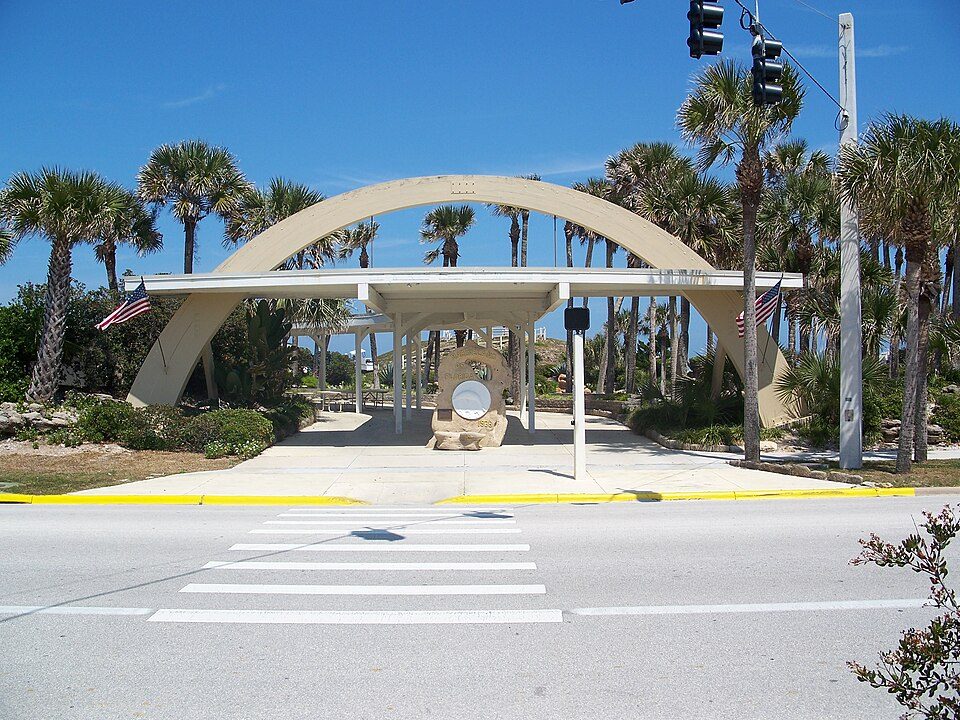 37 mi
 16 mi
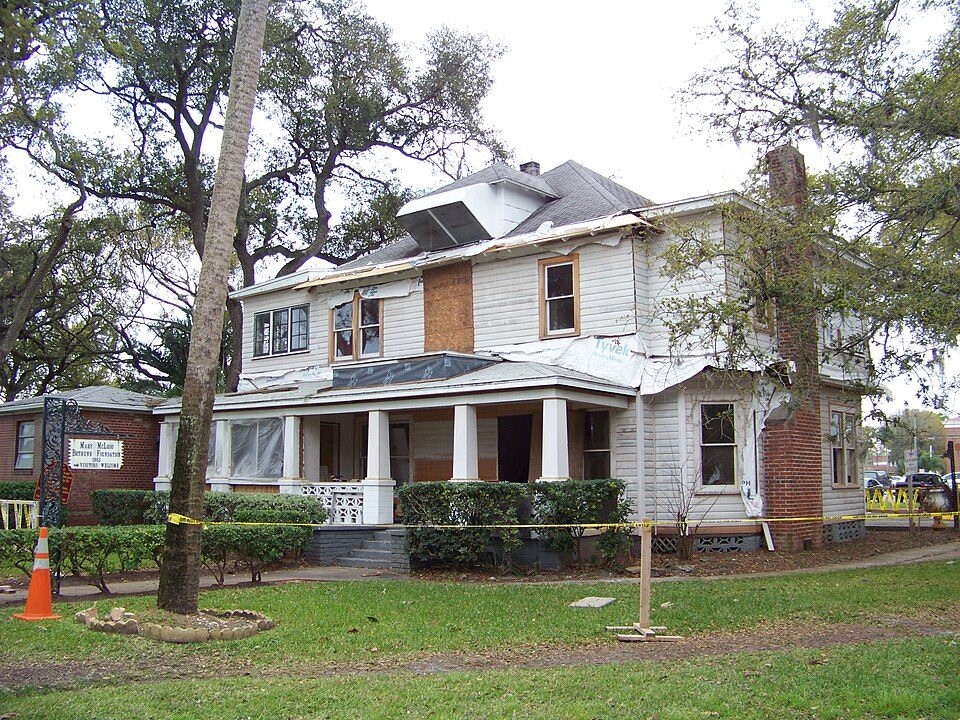 4 mi
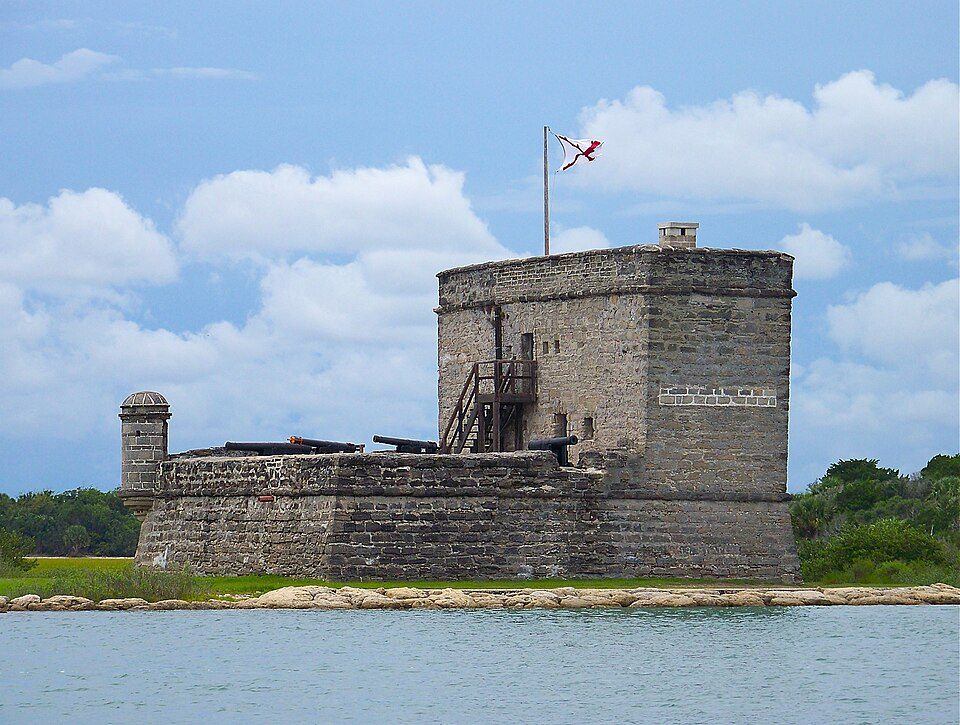 40 mi


