The picture is mixed. Safety is its weak spot: it reports more crime per resident than 94% of U.S. towns, including 3,371 violent crimes reported to the FBI in 2025. Its standout strength is health (A−): residents are healthier than 78% of U.S. towns on CDC estimates. It is strong on walkability as well — it is easier to get around on foot or by transit than 83% of U.S. towns. At about $440K, a typical home costs 4.9 years of the Colorado Springs metro’s $90K median household income. Put together, the subjects come to a C− overall, ranking 138th of 158 in Colorado State. Set against the rest, it does better than 21% of U.S. towns. Its National Register listings include Colorado Springs Airport and Glen Eyrie.
Figures: health, CDC PLACES · FBI crime data, 2025 · home values, Zillow · incomes, Census ACS, 2020–24 · National Register of Historic Places.
Colorado Springs has home values still below their peak and is healthy by national standards but mid-pack in Colorado State; it also trails Gleneagle and its other neighbors on schools.
Reported crimes fell from 21,462 to 18,230 over the last three FBI years, a drop beyond ordinary year-to-year swings.
Colorado Springs’ level of violent crime is 6.8 per 1,000 residents, above both the Colorado State town median (2.3) and the median of U.S. towns (1.6). The level of property crime locally is 29.9 per 1,000 residents.
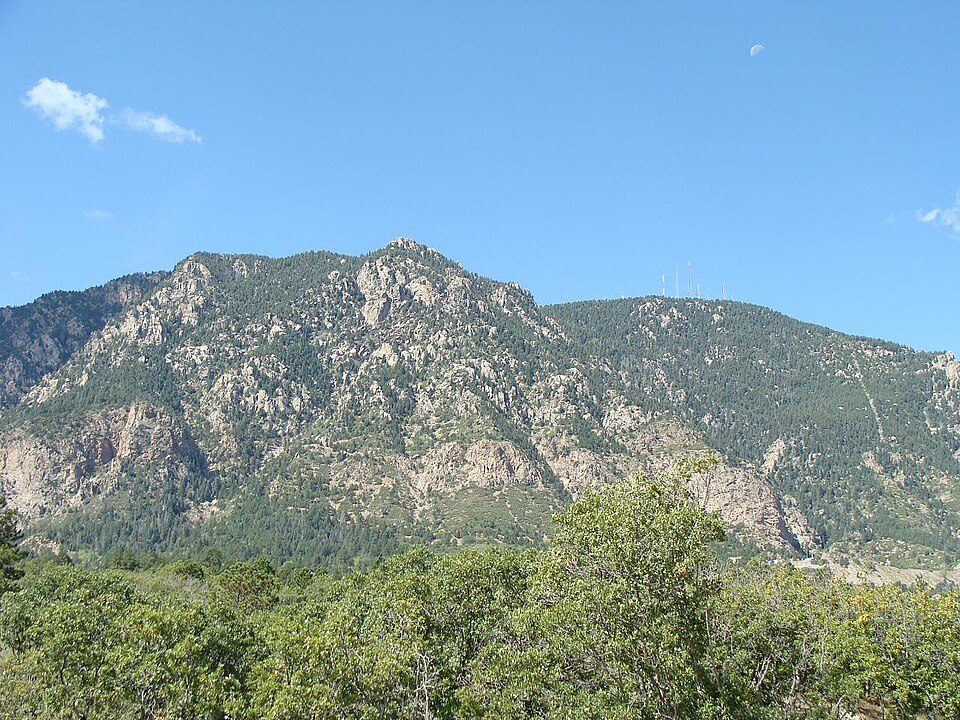
For Colorado Springs, the trail density is 2.0 miles per square mile. Count the trails in 193 parks and preserves and they come to 396 miles. Cheyenne Mountain State Park, at 1,111 acres with 18.4 miles of trail, is the biggest park or preserve.
Within Colorado State it is less healthy than 62% of the 159 graded towns: Colorado State sets a high bar.
In Colorado Springs, 13% of adults report frequent physical distress, against 12% in Colorado State’s towns and 14% across U.S. towns. 74% of Colorado Springs adults had a checkup this year. CDC measures, 26 in all: Colorado Springs beats Colorado State on 1 and trails on 3. Among 159 Colorado State towns, just 10 have a higher share of adults who have been diagnosed with depression than Colorado Springs.
The typical value, about $440K, is 8% below its June 2022 peak.
On the market in Colorado Springs: a median 47 days to sell. A typical home locally is worth about $440,000, down 1.5% in a year, 17% below the Colorado State typical home. For households in the town, the share who live in a home they own is 61%.
Jobs in Colorado Springs grew by 38,439 from 2013 to 2023, reaching 221,264. The top destinations are Denver (6%), Aurora (3%) and Cimarron Hills (1%). Half the trips to work are shorter than 7 miles. Colorado Springs’ average commute is 23 minutes.
63%work in town
Colorado Springs
Colorado State towns
U.S. towns
Average trip to work
23 minutes
25 minutes
25 minutes
Work from home
18%
18%
11%
Median household income
$85,000
$95,000
$80,000
Where working residents work
In Colorado Springs63%
Denver6%
Aurora3%
Cimarron Hills1%
Centennial1%
7 mi
median commute distance
221,264
jobs based in Colorado Springs
Balanced
jobs vs. working residents
A−
Walkability grade: more walkable than 83% of U.S. towns
243 flood insurance claims have been filed here, and 10 properties have flooded more than once.
On expected storm and flood damage, Colorado Springs sits below 58% of U.S. communities. The town has had 243 paid flood insurance claims since 1978. FEMA puts 55% of the town’s expected hazard losses down to inland flooding, and 14% to tornadoes. Federal aid has come to Colorado Springs households in 8 declared disasters; the latest was in 2023.
Among adults 25 and older in Colorado Springs, 43% hold a bachelor’s degree or more. By age, Colorado Springs looks like Colorado State: each broad group is within 4 points. Since 2020, Colorado Springs has grown 3.1%, to 494,743 residents in the Census Bureau’s 2025 estimate. The age of the median resident for Colorado Springs comes to 35.7 years.
35.7median age · CO 37.7
Colorado Springs
Colorado State towns
U.S. towns
Median age
35.7 years
38.4 years
40.5 years
Bachelor’s degree or more, 25+
43%
45%
29%
Aged 65 or older
15%
15%
18%
Colorado SpringsColorado StateUnited States
Ages · share of residents
17%
<1010–1718–2425–3435–4445–5455–6465–7475+
Education · adults 25 and older
No diploma5%
High school19%
Some college22%
Associate’s11%
Bachelor’s25%
Graduate17%
Women and men · all residents
50.0% women, 50.0% men
WomenCOU.S.Men
That’s an even split within the survey’s margin of ±0.3 points. Across Colorado State, 49.3% of residents are women. Median age: women 36.8, men 34.6.
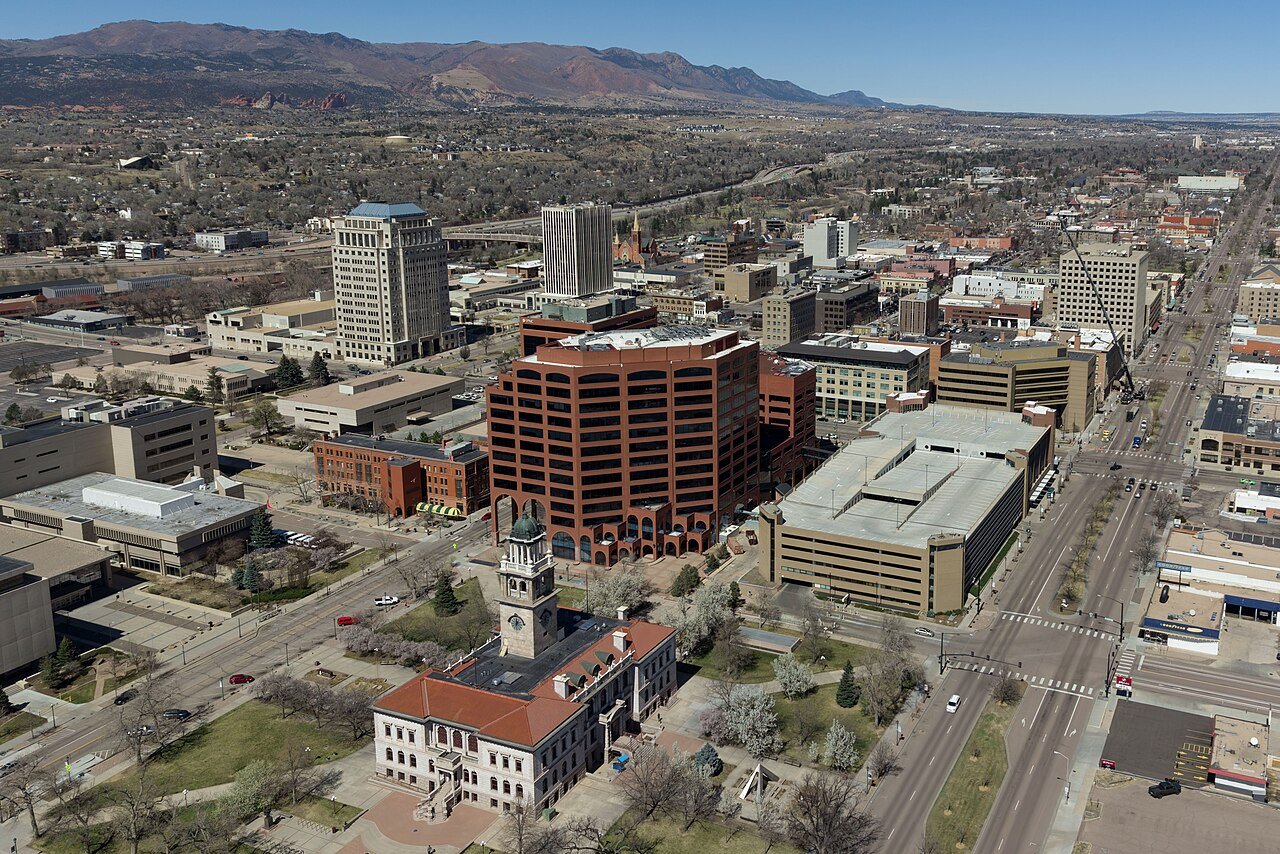
Colorado Springs is a home rule city that is the county seat of and the most populous city in El Paso County, Colorado, United States. The city had a population of 478,961 at the 2020 census, a 15.02% increase since 2010. Colorado Springs is the second-most populous city and most extensive city by area in the state of Colorado, and the 40th-most-populous city in the United States. It is the principal city of the Colorado Springs metropolitan area, which had 755,105 residents in 2020, and the second-most prominent city of the Front Range Urban Corridor. It is located in east-central Colorado on Fountain Creek, 70 miles (113 km) south of Denver. At 6,035 feet (1,839 m), the city stands over 1…
Colorado Springs grades C− overall, better than 21% of U.S. towns and #138 of 158 in Colorado State. It grades A− for health, D for safety and C for schools. Safety is its weak spot, with a D.
Is Colorado Springs, CO expensive?
Cost of living, which also weighs rents, property taxes and how many households pay 30% or more of their income for housing, grades C.
What is Colorado Springs, CO known for?
44 notable people were born here, including Talcott Parsons and Lon Chaney.


 in town
 in town
 10 mi
 11 mi


