 Top
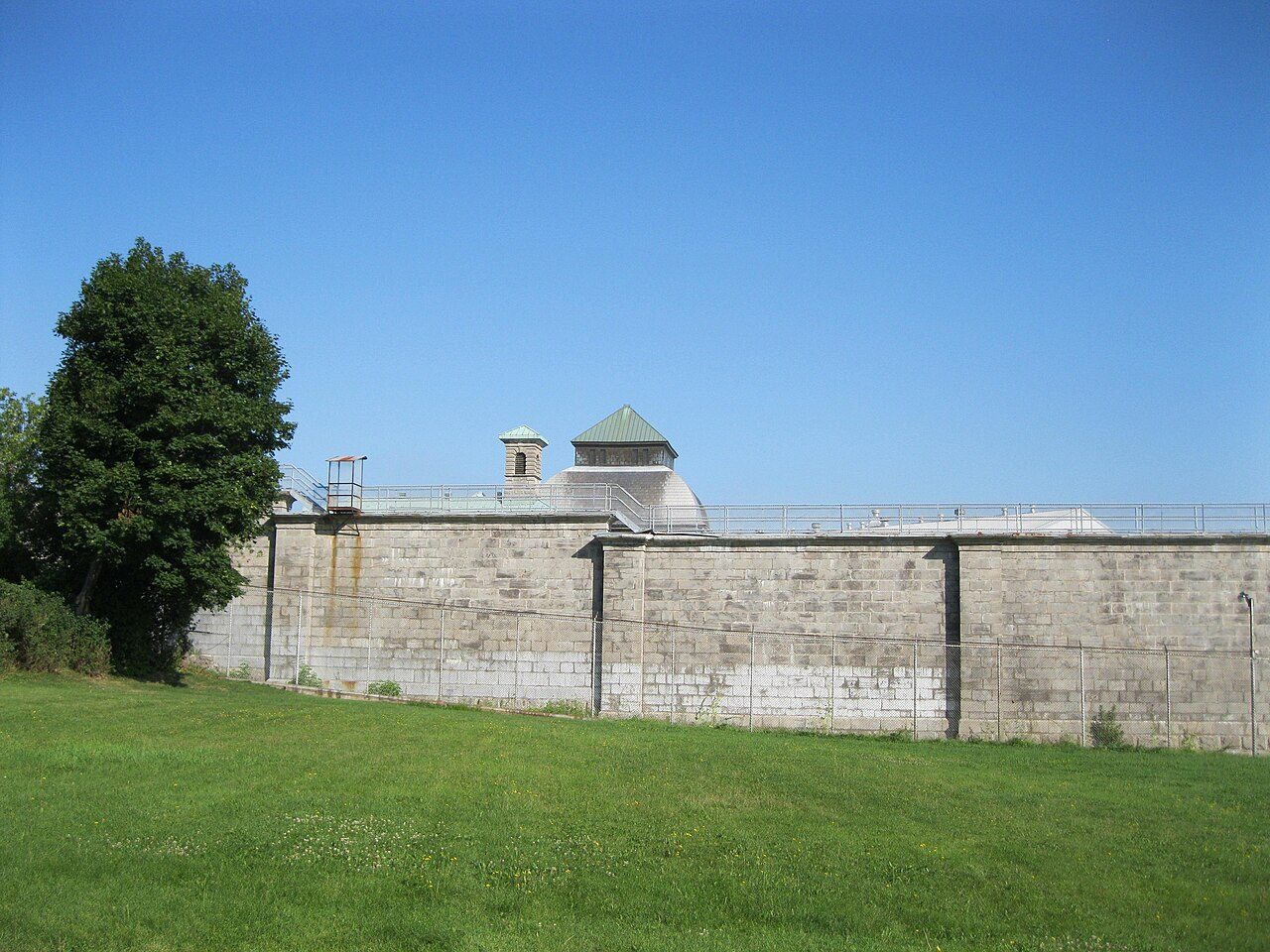
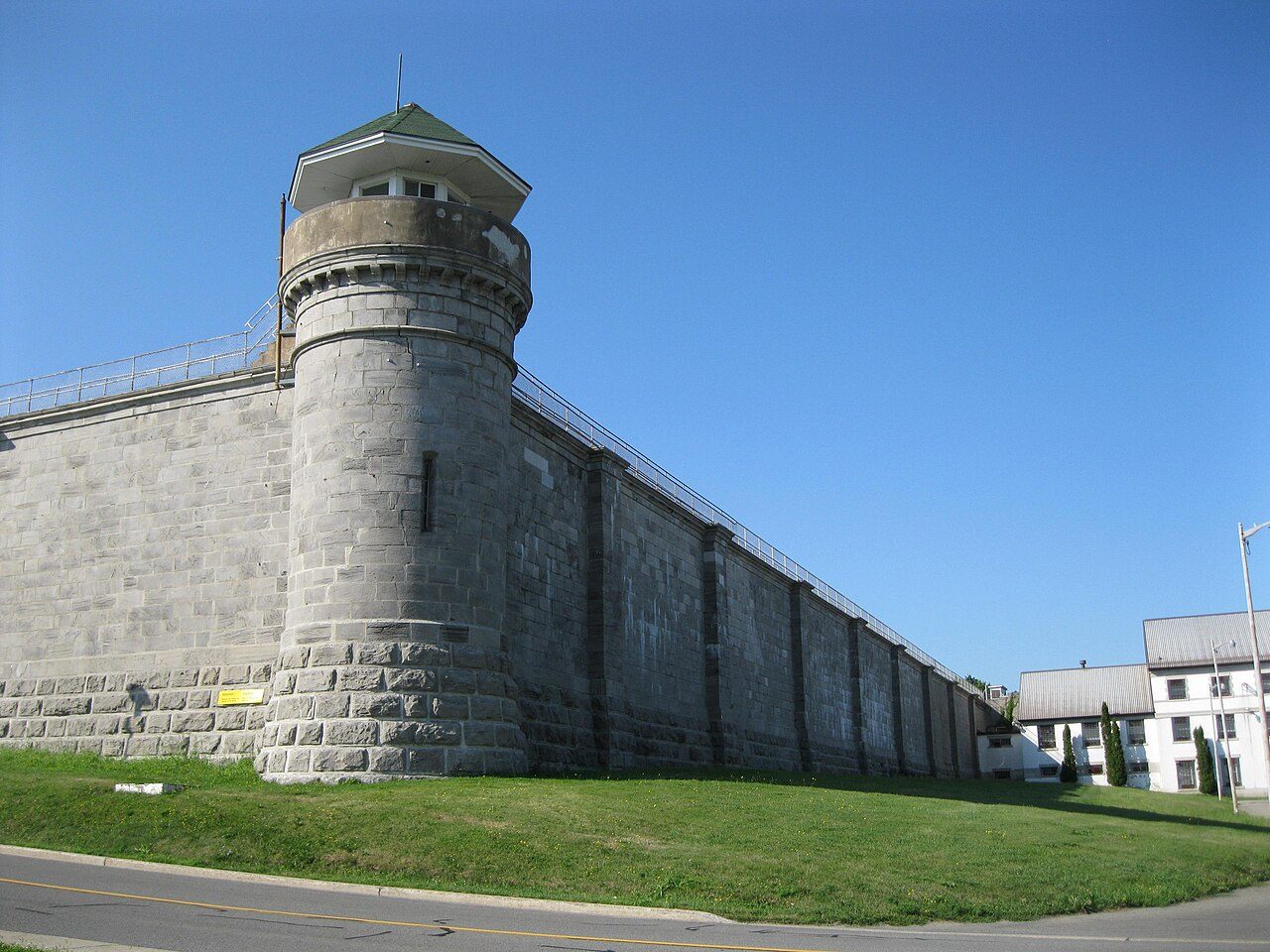
National Historic Site · 1873Saint-Vincent-de-Paul Penitentiary160 Montée Saint-FrançoisPhoto: Jeangagnon · CC BY-SA 3.0 · Commons file
 Saint-Vincent-de-Paul Penitentiary · Photo: Jeangagnon · CC BY-SA 3.0
3historic places on the registers
History of Saint-Vincent-de-Paul · Canada’s heritage registers
Heritage in Saint-Vincent-de-Paul: 3 historic places, one of the highest rank
The record has 2 Recognized Federal Heritage Buildings. Go back to 1864 and you reach Main Cellblock, the oldest of them. For every 10,000 residents Saint-Vincent-de-Paul has 2, ahead of 86% of Canadian towns.
Historic places
3
2 per 10,000 residents
Highest designations
1
National Historic Sites, classified federal buildings and Québec’s classements
Other federal designations
2
Recognized buildings, railway stations, lighthouses
Oldest building
1864
the first construction date on its record
Homes built before 1961
28%
typical town: 18%
In pictures
3 views of Saint-Vincent-de-Paul’s heritage
You can start with Saint-Vincent-de-Paul Penitentiary and Main Cellblock. Photos show every place Saint-Vincent-de-Paul’s registers name.
Photos from Wikimedia Commons, each credited to its photographer with its licence; names open the place’s page. Tap a photo to step through them full screen.
The map
Where Saint-Vincent-de-Paul’s history is
Every place on the registers inside the town, by its designation.
Highest designationsOther federal designations
Dots open their places’ pages; hover first to read the name.
The 3, by tier
1 Highest designations2 Other federal designations
The federal directory and the Répertoire du patrimoine culturel du Québec are both open, so every federal, provincial and municipal designation here has its point.
Points from Wikidata (Parks Canada’s files carry none) and from Québec’s register, as mapped there.
Highest designations
One place in Saint-Vincent-de-Paul with the highest designation
National Historic Sites and Classified Federal Heritage Buildings, Canada’s highest federal recognition. Each one opens its own page.
Other federal designations
2 more federal designations in Saint-Vincent-de-Paul
Recognized Federal Heritage Buildings, heritage railway stations and lighthouses. They date from 1864 (Main Cellblock) to 1929. Each one opens its own page.
 Fed
Recognized Federal Heritage Building · 1864–1979Main Cellblock160 Montée Saint-FrançoisPhoto: Jeangagnon · CC BY-SA 3.0 · Commons file
 Fed
Recognized Federal Heritage Building · 1929–1932Towers160 Montée Saint-FrançoisPhoto: Jeangagnon · CC BY-SA 3.0 · Commons file
Homes by age
Saint-Vincent-de-Paul added few homes from 2016 to 2021: 0.8%, where most towns have 4.1%
Few of Saint-Vincent-de-Paul’s homes date from 1981 to 2000: 18%, the norm 23%. Only 4% of Saint-Vincent-de-Paul’s homes were built from 2001 to 2015, less than the typical town’s 15%. 28% of Saint-Vincent-de-Paul’s homes were built before 1961, against 18% in the typical town.
28%
Before 1961
47%
1961–80
18%
1981–2000
4%
2001–15
0.8%
2016–21
Saint-Vincent-de-PaulTypical town
2021 Census, private dwellings by period of construction (Statistics Canada); the typical town is the middle Canadian town of 2,500 or more.
Born here
3 people born in Saint-Vincent-de-Paul before 1914
It starts with Joseph Brunet, born in 1834. The line ends with Charles-Auguste Bertrand (1890). By Wikipedia’s reach, Joseph Brunet leads, with 4 articles. Longest lived was Charles-Auguste Bertrand, 87 years in all (1977).
Joseph Brunet
François-Xavier Archambault
Charles-Auguste Bertrand
1800182518501875190019251950
JB
Joseph Brunet1834–1904 · Canadian politician

Charles-Auguste Bertrand1890–1977 · Canadian jurist

François-Xavier Archambault1841–1893 · Canadian politician
Everyone born in Saint-Vincent-de-Paul → Born before 1914 (the page’s periods: Confederation to the First World War). Birthplaces from Wikidata, each checked against the person’s Wikipedia article.
Towns its size
Saint-Vincent-de-Paul has the 1st most of 16 towns its size
Towns of 15,100 to 15,300 residents, by places on the registers.
Saint-Vincent-de-Paul3
The typical town its size has 0. 11 of them have none.
Neighbours
Saint-Vincent-de-Paul and its neighbours
| Town | People | Places | Highest | Oldest |
|---|---|---|---|---|
| Saint-Vincent-de-Paul | 15,194 | 3 | 1 | 1864 |
| Centre-Nord (Montréal-Nord) | 13,131 | 2 | 1 | 1741 |
| Duvernay | 37,460 | 2 | 2 | 1801 |
| Centre (Montréal-Nord) | 20,584 | 0 | 0 | — |
| Ouest (Montréal-Nord) | 23,373 | 0 | 0 | — |
| Est (Montréal-Nord) | 31,383 | 0 | 0 | — |
| La Visitation | 17,166 | 3 | 1 | 1806 |
In brief
Saint-Vincent-de-Paul in brief
The 2021 Census dates 28% of Saint-Vincent-de-Paul’s homes before 1961, against 18% in the typical town. The count is 3 historic places, one with the highest designation, with Saint-Vincent-de-Paul Penitentiary first. Of the 16 towns closest in size, it has the most historic places. The town’s people of the past are Joseph Brunet (1834), Charles-Auguste Bertrand (1890) and François-Xavier Archambault (1841). Beyond that, its places were designated between 1990 and 1991.
How to read these numbers
What this data can and can’t tell you
- Protection. Here the register is also the protection: classement and citation under Québec’s cultural heritage law control changes, while federal recognition does not.
- People and events. Parks Canada’s open file gives its national historic persons no place. A town’s page names one only when the person was born there (matched by name and both life years) or one of its own historic places carries the name and its record speaks of them; national historic events stay off.
- The tiers. Three tiers: the top for National Historic Sites, classified federal buildings and Québec’s classements, a second for the other federal designations, a third for provincial and municipal listings.
- The grade. History is described, not graded, for every Canadian town.
- Québec’s register. Québec’s Répertoire du patrimoine culturel records the province’s classements and declarations and every municipal citation, each with a description and a point.
- The federal register. Every federal designation is in Parks Canada’s directory, and the Canadian Register of Historic Places gives most of them a bilingual statement of significance.
- Map points. Pins for federal places come from Wikidata rather than Parks Canada, which gives no points.
Questions about Saint-Vincent-de-Paul’s history
Which places in Saint-Vincent-de-Paul have the highest designation?
Saint-Vincent-de-Paul Penitentiary.
What is the oldest building in Saint-Vincent-de-Paul?
Main Cellblock (Recognized Federal Heritage Building): the first construction date on its record is 1864.
How old are the homes in Saint-Vincent-de-Paul?
28% of its homes were built before 1961, against 18% in the typical Canadian town.
Contains information licensed under the Open Government Licence – Canada (Parks Canada).
Sources: Parks Canada, Directory of Federal Heritage Designations · Canadian Register of Historic Places (federal extract) · Wikidata (CC0) for map points, other names and articles · Statistics Canada, 2021 Census (homes by period of construction). Under the Statistics Canada Open Licence.
Adapted from Statistics Canada (Census of Population 2021, population estimates 2025, 2021 census boundaries) under the Statistics Canada Open Licence; this does not constitute an endorsement by Statistics Canada. Neighbourhood names in some cities © OpenStreetMap contributors (ODbL).