

 Fed
Heritage Railway Station · 1915–1921Canadian National Railways/VIA Rail Station, Clova, Quebec5 Latagne St.Photo: 8Feu · CC BY-SA 4.0 · Commons file
 Église Saint-Zéphirin · Photo: Fralambert · CC BY-SA 4.0
6historic places on the registers
History of La Tuque · Canada’s heritage registers
Before 1961: 42% of the homes in La Tuque
La Tuque has 2.4 times what the typical town has (18%). All told, the heritage lists hold 6 historic places within the town. Scaled to its population the record is long: 5.3 per 10,000 residents, more than 95% of Canadian towns. Among the places are 5 municipal citations and a heritage railway station.
Historic places
6
5.3 per 10,000 residents
Highest designations
0
National Historic Sites, classified federal buildings and Québec’s classements
Other federal designations
1
Recognized buildings, railway stations, lighthouses
Provincial and local listings
5
municipal citations on Québec’s register
Oldest building
1900
the first construction date on its record
Homes built before 1961
42%
typical town: 18%
In pictures
3 pictures of La Tuque today, 1 from its past
The photos cover 3 of La Tuque’s designated places; the rest keep their register record. Leading off: Église Saint-Zéphirin and Brown Community Club Building. Pictured and oldest in La Tuque: “Canadian National Railways/VIA Rail Station, Clova, Quebec”, 1915.
Photos from Wikimedia Commons, each credited to its photographer with its licence; names open the place’s page. Tap a photo to step through them full screen.
Through time
Looking back at La Tuque
The past in one picture: one old photograph of the town. A tap opens it at full size, with its credit.
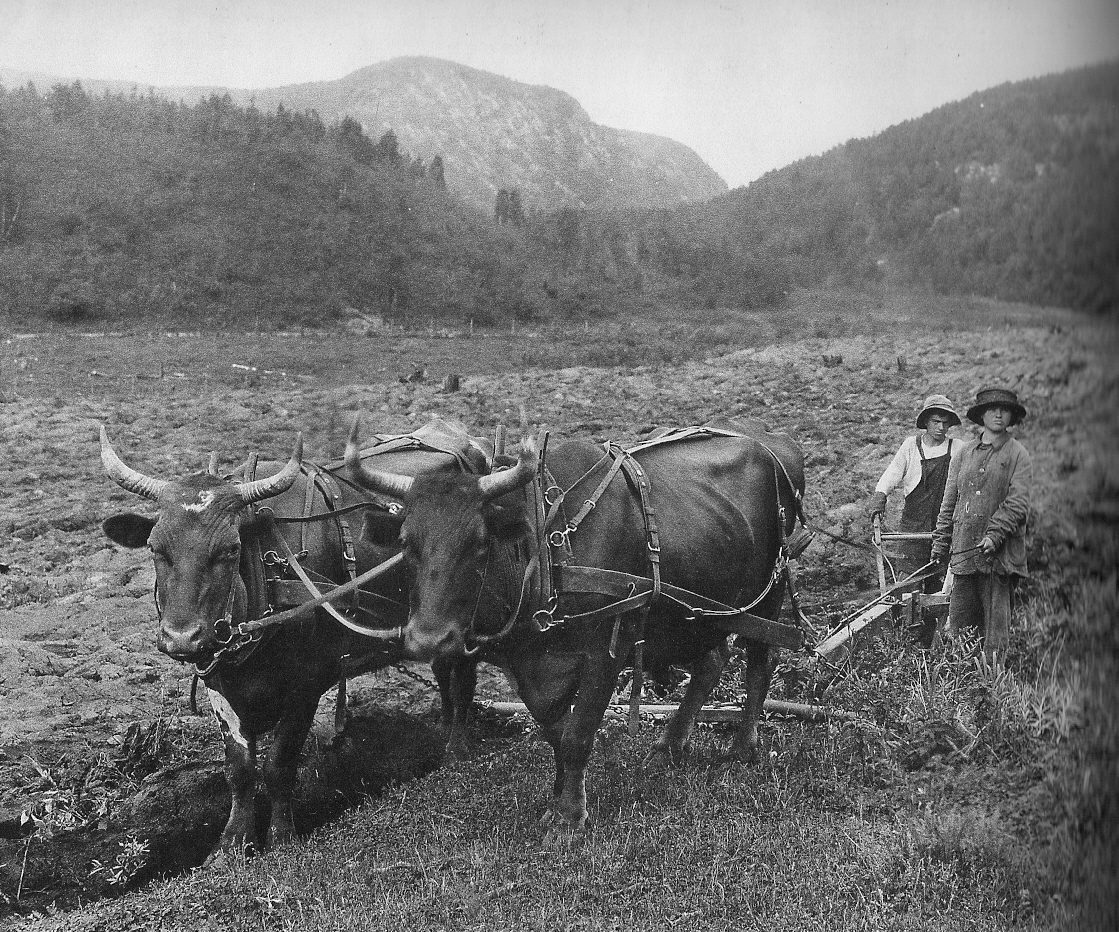 1926
Public domain or CC0, made before 1950, from Wikimedia Commons; old views of places can be drawings, prints or maps of their time. Each credit opens the image’s page.
The map
Where La Tuque’s history is
Every place on the registers inside the town, by its designation.
Other federal designationsProvincial and local listings
Dots open their places’ pages; hover first to read the name.
The 6, by tier
1 Other federal designations5 Provincial and local listings
Parks Canada’s federal directory and Québec’s Répertoire du patrimoine culturel supply these places: federal designations, the province’s classements and the municipalities’ citations.
Points from Wikidata (Parks Canada’s files carry none) and from Québec’s register, as mapped there.
Other federal designations
Federal heritage in La Tuque: one more place
Recognized Federal Heritage Buildings, heritage railway stations and lighthouses. Each one opens its own page.
Provincial and local listings
On provincial and local lists in La Tuque: 5 places
The oldest, Moulin à scie à vapeur de Festubert, dates from 1900; the newest from 1947. Citations the municipality has made, registered with Québec’s ministry of culture. Their designations span 1988 to 2010. Each one opens its own page.
 Local
Municipal citation (Québec) · 1920–1921Brown Community Club Building29 rue BecklerPhoto: Fralambert · CC BY-SA 4.0 · Commons file
 Local
Municipal citation (Québec) · 1930–1931Église Saint-Zéphirin308 rue Saint-JosephPhoto: Fralambert · CC BY-SA 4.0 · Commons file
Municipal citation (Québec) · 1900Moulin à scie à vapeur de Festubert185 chemin de Festubert
Municipal citation (Québec) · 1905Domaine Van Bruyssel
Municipal citation (Québec) · 1947Caserne de Parent2 rue de l'Hôtel-de-Ville
How old
La Tuque’s dated places lean to the wars and the Depression
Each place by the first construction date on its record.
British North America 1760–18660
After Confederation 1867–19132
Wars and Depression 1914–19453
Since 1946 1946 on1
Oldest of all: Moulin à scie à vapeur de Festubert, 1900.
Just outside
Just outside La Tuque
Places the registers give to the town from within 5 km of its edge, nearest first.
Just outside La Tuque: 1
| Ducharme BridgeClassified heritage building (Québec) · 4.4 km outside the town |
Homes by age
La Tuque added few homes from 2016 to 2021: 2.9%, where most towns have 4.1%
La Tuque built little from 2001 to 2015: 3.9% of its homes, where most towns have 15%. Count back from today and half of La Tuque’s homes are older than 1981. Homes built from 1961 to 1980 make up 33% of La Tuque’s, about the typical 27%.
42%
Before 1961
33%
1961–80
19%
1981–2000
3.9%
2001–15
2.9%
2016–21
La TuqueTypical town
2021 Census, private dwellings by period of construction (Statistics Canada); the typical town is the middle Canadian town of 2,500 or more.
Towns its size
La Tuque has the most of 16 towns its size
Towns of 11,300 to 11,400 residents, by places on the registers.
La Tuque6
Their median is 0. 10 of them have none.
In brief
La Tuque in brief
La Tuque’s homes from before 1961 come to 42%, against 18% in the typical town. There are 6 historic places in all. No town its size has more historic places: it leads the 16 nearest in population. Most of its dated places come from the wars and the Depression: 3 of 6. The other figures are unremarkable: the list grew between 1988 and 2010.
How to read these numbers
What this data can and can’t tell you
- The tiers. National Historic Sites and the most protected buildings form the top tier; recognized federal buildings, stations and lighthouses the second; provincial and municipal listings the third.
- People and events. National historic persons carry no place in the open file. They appear on a town’s page when born there (same name, same birth and death years) or when a historic place inside it carries their name and its record names them with their dates; national historic events don’t appear.
- The grade. History isn’t one of Canada’s graded pillars, so this page describes and compares without a letter.
- Protection. Québec’s classements and citations carry legal protection: work on a classified building needs the minister’s authorization, on a cited one the municipality’s. Federal designations commemorate.
- Map points. Where a federal place sits on the map is Wikidata’s placing; the directory itself has no coordinates.
- The federal register. The federal list is complete and open: Parks Canada’s directory for the designations, the Canadian Register of Historic Places for what each one is and why it matters.
- Québec’s register. The Répertoire du patrimoine culturel du Québec is open data, so the province’s own designations and its municipalities’ citations are here in full.
Questions about La Tuque’s history
How old are the homes in La Tuque?
42% predate 1961, where the typical town has 18%.
How many historic places does La Tuque have on the registers?
6 historic places inside La Tuque, by the federal, Québec and Wikidata-known registers.
What is the oldest building in La Tuque?
Moulin à scie à vapeur de Festubert (Municipal citation (Québec)): the first construction date on its record is 1900.
Contains information licensed under the Open Government Licence – Canada (Parks Canada). Québec register data: Ministère de la Culture et des Communications du Québec, CC BY 4.0.
Sources: Parks Canada, Directory of Federal Heritage Designations · Canadian Register of Historic Places (federal extract) · Répertoire du patrimoine culturel du Québec (MCC, Données Québec) · Wikidata (CC0) for map points, other names and articles · Statistics Canada, 2021 Census (homes by period of construction). Under the Statistics Canada Open Licence.
Adapted from Statistics Canada (Census of Population 2021, population estimates 2025, 2021 census boundaries) under the Statistics Canada Open Licence; this does not constitute an endorsement by Statistics Canada. Neighbourhood names in some cities © OpenStreetMap contributors (ODbL).