

 Top
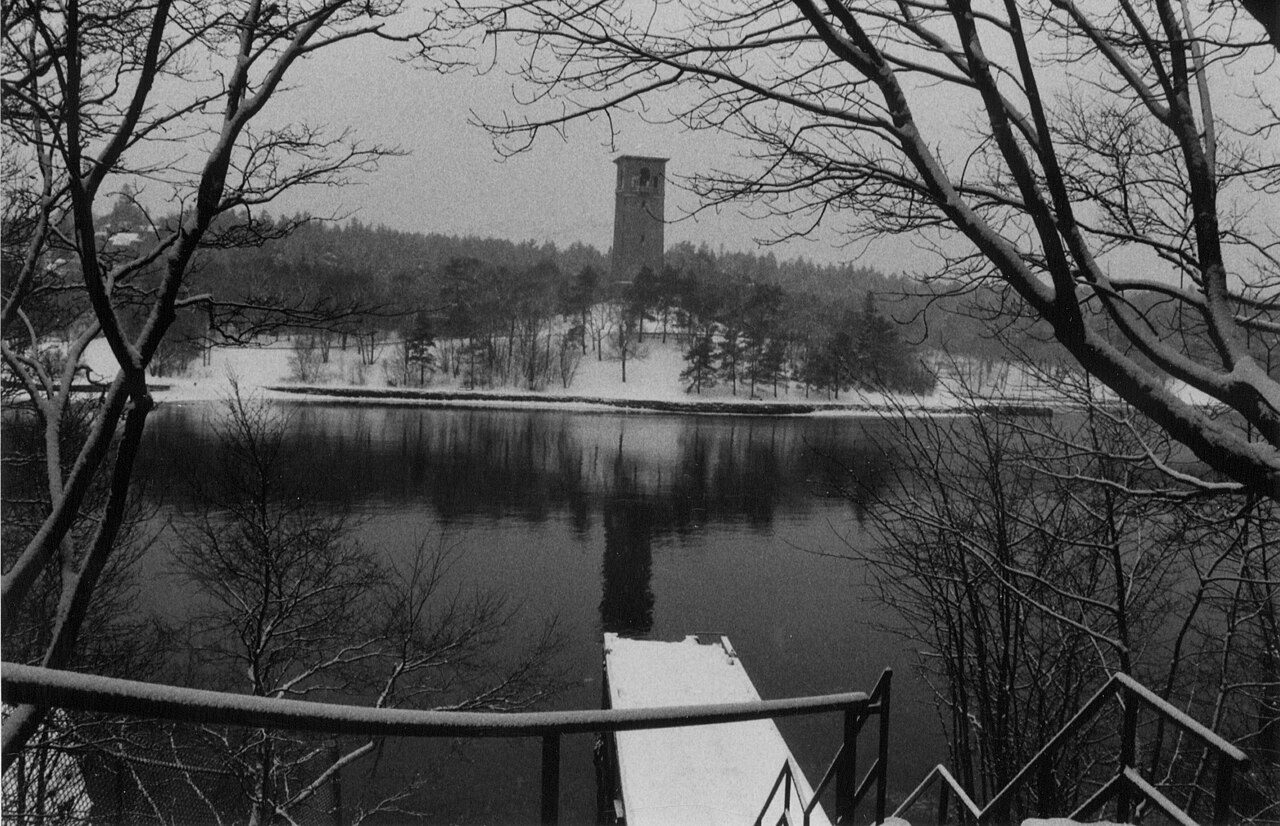
National Historic Site · 1796–1800Prince of Wales Tower5718 Point Pleasant DrivePhoto: Dennis G. Jarvis · CC BY-SA 2.0 · Commons file
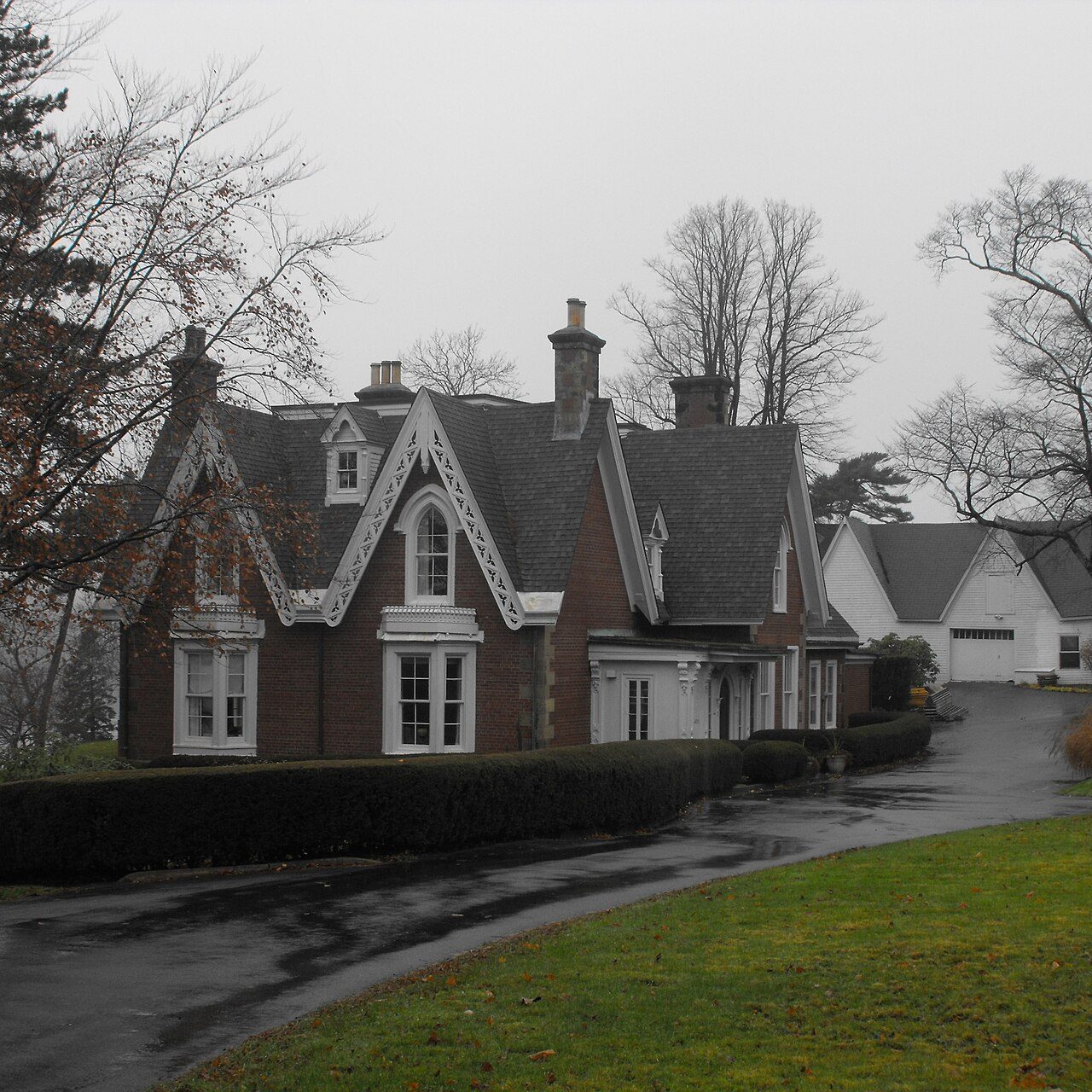 Fernwood · Photo: Verne Equinox · CC BY-SA 3.0
5historic places on the registers
History of South End · Canada’s heritage registers
South End keeps a building from 1796: Prince of Wales Tower
Inside South End the registers count 5 historic places; 4 are top designations. Per resident that is more than in 87% of Canadian towns: 2.3 for every 10,000 people. On the list: a provincial or municipal listing. 11 further listings on provincial or municipal registers are known only through Wikidata, so they have no page of their own.
Historic places
5
2.3 per 10,000 residents
Highest designations
4
National Historic Sites and Classified Federal Heritage Buildings
Provincial and local listings
1
provincial and municipal listings with an encyclopedia article
Oldest building
1796
the first construction date on its record
Homes built before 1961
28%
typical town: 18%
In pictures
Photos of 3 of the 4 top-tier places in South End
The photos cover 4 of South End’s designated places; the rest keep their register record. Of South End’s most honoured places, 3 are photographed. You can start with Fernwood and Prince of Wales Tower.
Photos from Wikimedia Commons, each credited to its photographer with its licence; names open the place’s page. Tap a photo to step through them full screen.
How old
For South End, most dated places belong to the years before Confederation
Each place by the first construction date on its record.
British North America 1760–18663
After Confederation 1867–19132
Wars and Depression 1914–19450
Since 1946 1946 on0
3 of the 5 dated places were built before Confederation.
The map
Where South End’s history is
Every place on the registers inside the town, by its designation.
Highest designationsProvincial and local listings
Tap any dot to open that place’s own page; hovering shows its name.
The 5, by tier
4 Highest designations1 Provincial and local listings
Parks Canada’s Directory of Federal Heritage Designations lists the places the Government of Canada has recognized; outside Québec, provincial and municipal listings come only through Wikidata, and only those with an encyclopedia article get a page.
Points from Wikidata (Parks Canada’s files carry none) and from Québec’s register, as mapped there.
Highest designations
4 places in South End with the highest designation
Their designations span 1943 to 2008. The group holds 3 National Historic Sites and a Classified Federal Heritage Building. National Historic Sites and Classified Federal Heritage Buildings, Canada’s highest federal recognition. Each one opens its own page.
 Top
National Historic Site · 1860–1861Fernwood700 Francklyn StreetPhoto: Verne Equinox · CC BY-SA 3.0 · Commons file
 Top
National Historic Site · 1910–1913Memorial TowerParkhill RoadPhoto: Keith Hatfield · CC BY-SA 3.0 · Commons file
Classified Federal Heritage Building · 1830–1848Southeast Salient
What’s designated
South End’s list splits evenly at the top: 2 theatres, museums and memorials, 2 forts and military buildings
Leading by designation: Prince of Wales Tower and Fernwood.
Theatres, museums and memorials2
Forts and military buildings2
Other places1
The groups come from each place’s name and its recorded functions, by what it was built as.
Provincial and local listings
One local listing in South End
Provincial and municipal listings that Wikidata records and an encyclopedia describes. Each one opens its own page.
 Local
Municipally Registered Property · 1908Sir Sandford Fleming ParkPhoto: Thorfinn Stainforth · CC BY-SA 3.0 · Commons file
Homes by age
South End is still building: 9.9% of homes date from 2016 to 2021, against 4.1%
South End’s largest group of homes, 30%, went up from 1961 to 1980. Before 1961: 28% of South End’s homes, against 18% in most towns. Few of South End’s homes date from 1981 to 2000: 18%, the norm 23%.
28%
Before 1961
30%
1961–80
18%
1981–2000
13%
2001–15
9.9%
2016–21
South EndTypical town
2021 Census, private dwellings by period of construction (Statistics Canada); the typical town is the middle Canadian town of 2,500 or more.
Towns its size
South End has the most of 16 towns its size
Towns of 21,800 to 22,200 residents, by places on the registers.
South End5
The middle one has 0. 11 of them have nothing on the registers.
Neighbours
South End and its neighbours
| Town | People | Places | Highest | Oldest |
|---|---|---|---|---|
| South End | 22,012 | 5 | 4 | 1796 |
| Westmount | 23,207 | 1 | 0 | 1917 |
| Schmidtville | 18,105 | 53 | 23 | 1749 |
| North End | 19,733 | 14 | 7 | 1756 |
| Windsor Park | 13,044 | 1 | 1 | 1830 |
| Fairview | 16,296 | 0 | 0 | — |
| Mount Royale | 9,340 | 0 | 0 | — |
In brief
South End in brief
The 2021 Census dates 28% of South End’s homes before 1961, against 18% in the typical town. There are 5 historic places in all, 4 with the highest designation; Prince of Wales Tower heads them. No town its size has more historic places: it leads the 16 nearest in population. By date, the years before Confederation lead: 3 of 5. The rest is about typical: its places were designated between 1943 and 2008.
How to read these numbers
What this data can and can’t tell you
- Provincial and municipal lists. Provincial and municipal listings here come from Wikidata alone, since the provinces’ own registers can’t be reused; a listing needs an encyclopedia article to get a page.
- The grade. There is no history grade: the page sets out the record and compares it with other towns.
- People and events. Persons of national historic significance come with no location; a town gets one only by birthplace (name and both life years agreeing) or by one of its own places that bears the name and whose record tells the story. Events, which can’t be tied, are left out.
- The federal register. Federal places come from Parks Canada’s directory, which counts National Historic Sites, federal heritage buildings, stations and lighthouses; their statements are the register’s own.
- The tiers. Tiers follow the designation: national recognition and classement first, other federal designations next, provincial and local listings last.
- Protection. National historic designation honours a place but binds only federal owners; a private building’s protection depends on its province or municipality.
- Map points. Federal places get their map points from Wikidata, since Parks Canada’s files carry none; they are as mapped there.
Questions about South End’s history
What is the oldest building in South End?
Prince of Wales Tower (National Historic Site): the first construction date on its record is 1796.
Which places in South End have the highest designation?
Prince of Wales Tower, Fernwood, Memorial Tower and Southeast Salient.
How old are the homes in South End?
Before 1961: 28% of its homes; the typical town has 18%.
Why might a heritage building in South End be missing here?
Only federal designations are fully open outside Québec. 11 more listings in South End are known through Wikidata alone, so they are counted, not paged.
Contains information licensed under the Open Government Licence – Canada (Parks Canada).
Sources: Parks Canada, Directory of Federal Heritage Designations · Canadian Register of Historic Places (federal extract) · Wikidata (CC0) for map points, other names and articles · Statistics Canada, 2021 Census (homes by period of construction). Under the Statistics Canada Open Licence.
Adapted from Statistics Canada (Census of Population 2021, population estimates 2025, 2021 census boundaries) under the Statistics Canada Open Licence; this does not constitute an endorsement by Statistics Canada. Neighbourhood names in some cities © OpenStreetMap contributors (ODbL).