Diamond SpringsCA
Population 10,927: a town settled in 1950.
Is Diamond Springs a good place to live?
Diamond Springs’s weakest is cost of living (C−): the typical home is worth about $435K, 4.5 years of the Sacramento metro’s $97K median household income. This California town ranks 362nd of 841 in California, with a C overall. It comes out better than 32% of U.S. towns. Hazard risk is weaker too: FEMA rates its natural-hazard risk higher than 48% of U.S. communities, with wildfire at the top. Where it does best is schools: its schools outperform 69% of the state's. Add walkability to its strengths: it is easier to get around on foot or by transit than 69% of U.S. towns. 28% of residents are 65 or older in the town, against 16% in California’s towns and 18% across U.S. towns. Diamond Springs’ density of trails is 0.1 miles per square mile, where California’s towns sit at 1.0 and U.S. towns at 0.4.
Figures: schools, state test and graduation results · home values, Zillow · incomes, Census ACS, 2020–24 · FEMA National Risk Index · OpenStreetMap.
How Diamond Springs grades
Each subject compared with towns across the country (schools within California), ordered by how far Diamond Springs is from typical.
How TownRatings grades towns →
Moving to Diamond Springs: who provides what
Diamond Springs is unincorporated, so El Dorado County and regional agencies provide most services.
EPA SDWIS (Oct 9, 2026) · HIFLD + EIA-861 2025 · Census 2020 ZCTAs · NCES 2024–25 · registration: vote.gov, updated Nov 18, 2024.
The data
Ordered by what stands out in Diamond Springs.
Diamond Springs carries less natural-hazard risk than nearly all of California (mostly wildfires) and has commutes shorter than most of California, but it has little public open land.
For cost of living, Diamond Springs earns a C−
The median property tax bill is $2,515, against $5,124 across California, another input to its cost-of-living grade.
Diamond Springs’ typical rent is $1,682 a month. A typical home here is worth about $435,000, about the same as a year ago, 43% below the California typical home. Also worth knowing: homes in Diamond Springs sold for 97.8% of their list price on average.
| Diamond Springs | California towns | U.S. towns | |
|---|---|---|---|
| Median rent | $1,682 a month | $1,898 a month | $1,185 a month |
| Households that own their home | 68% | 64% | 73% |
Typical home value
Census ACS, 2020–24 · Zillow Home Value Index · Redfin Data Center
For schools, Diamond Springs earns a B+
The largest public high school is Union Mine High, with 1,033 students. Two of its 12 schools are shown below, with the reason for each. 6 public schools serve Diamond Springs, with 2,285 students in all.
| School | Level | Students | Letter |
|---|---|---|---|
| Indian Creek ElementaryLargest public elementary schoolGrades K–4 | Grades K–4 | 392 | – |
| Sky Mountain CharterLargest public high schoolGrades K–12 | Grades K–12 | 2,511 | B+ |
NCES · EDFacts · graded within CA on state tests and graduation
Four seasons and hot summers: that is Diamond Springs’ year
The typical July afternoon high for Diamond Springs comes to 94°F.
Typical low → high °F
NOAA U.S. Climate Normals, 1991–2020
With 1.4 jobs for every working resident, Diamond Springs draws in 5,775 commuters
The average commute for its 4,480 working residents takes 21.1 minutes, against 28.7 across California. Jobs based here grew from 4,750 in 2013 to 6,387.
The typical journey to work in Diamond Springs is 21 minutes. Only 14% of working residents stay in Diamond Springs for work; the rest commute out. Employers in Diamond Springs added 1,637 jobs between 2013 and 2023, to 6,387. The top destinations are Placerville (11%), Sacramento (9%) and El Dorado Hills (5%).
| Diamond Springs | California towns | U.S. towns | |
|---|---|---|---|
| Average trip to work | 21 minutes | 28 minutes | 25 minutes |
| Below the poverty line | 16% | 10% | 9.6% |
| Working residents who work in town | 14% | 6.6% | 8% |
| Median household income | $77,000 | $95,000 | $80,000 |
Where working residents work
Census LEHD 2023 · ACS
Diamond Springs ranks healthier than 60% of the country’s towns
For adults in Diamond Springs, the share who feel lonely is 32%. Against the California average, Diamond Springs comes out ahead on 12 CDC measures out of 32, and behind on 7.
| Diamond Springs | California towns | U.S. towns | |
|---|---|---|---|
| Yearly checkup (CDC PLACES) | 76% | 72% | 79% |
| High blood pressure (CDC PLACES) | 37% | 31% | 35% |
| Feel lonely (CDC PLACES) | 32% | 36% | 33% |
| Sleep under 7 hours (CDC PLACES) | 33% | 35% | 36% |
| What stands out | Diamond Springs | CA |
|---|---|---|
| Fewer uninsured adults | 6.5% | 10.6% |
| Fewer adults facing housing insecurity | 10.1% | 14.9% |
| More adults who have had cancer | 11.3% | 6.4% |
CDC PLACES 2025 · modeled estimates for adults · CMS · HRSA
Diamond Springs has a moderate natural-hazard risk, chiefly from wildfire
FEMA rates its natural-hazard risk lower than 93% of California towns, with expected losses of about $113 per resident a year; that rating is what its D for hazard risk is built on.
Of the losses FEMA expects in Diamond Springs, 51% come from wildfires and 40% from inland flooding.
FEMA National Risk Index · OpenFEMA
Diamond Springs has set aside 0.6% of its land for conservation
Just 65 of its 10,641 acres are conserved, so there is little public open land in Diamond Springs itself; its outdoors grade is C−.
Count the trails in 1 park or preserve and they come to 1.3 miles. One park or preserve covers 2 acres in Diamond Springs.
| Diamond Springs | California towns | U.S. towns | |
|---|---|---|---|
| Miles of trail per square mile | 0.1 miles per square mile | 1.0 | 0.4 |
| Conserved land | 0.6% | 4.3% | 4.3% |
| Biggest places to walk | Trails | Acres |
|---|---|---|
| 1. Old Depot Bike Park | — | 2 |
Trails & parks © OpenStreetMap contributors · Conserved land: USGS PAD-US
Sutter's Fort and 31 more within 40 miles
Museums, parks, gardens and other places to visit around Diamond Springs. Close and well known come first.
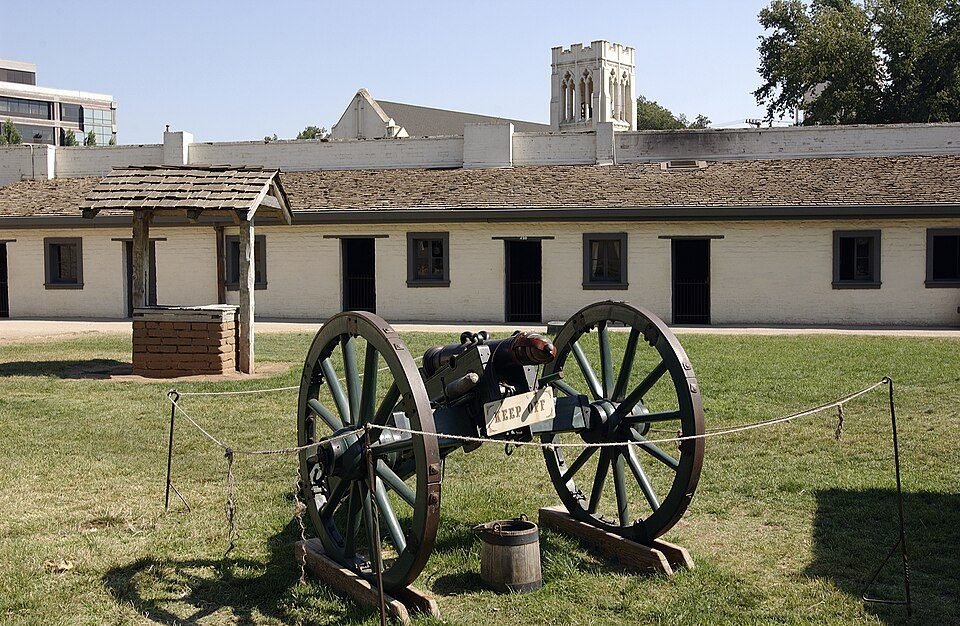 35 mi State parkSutter's Fort
 37 mi Stadium & arenaARCO Arena
 33 mi Stadium & arenaHornet Stadium
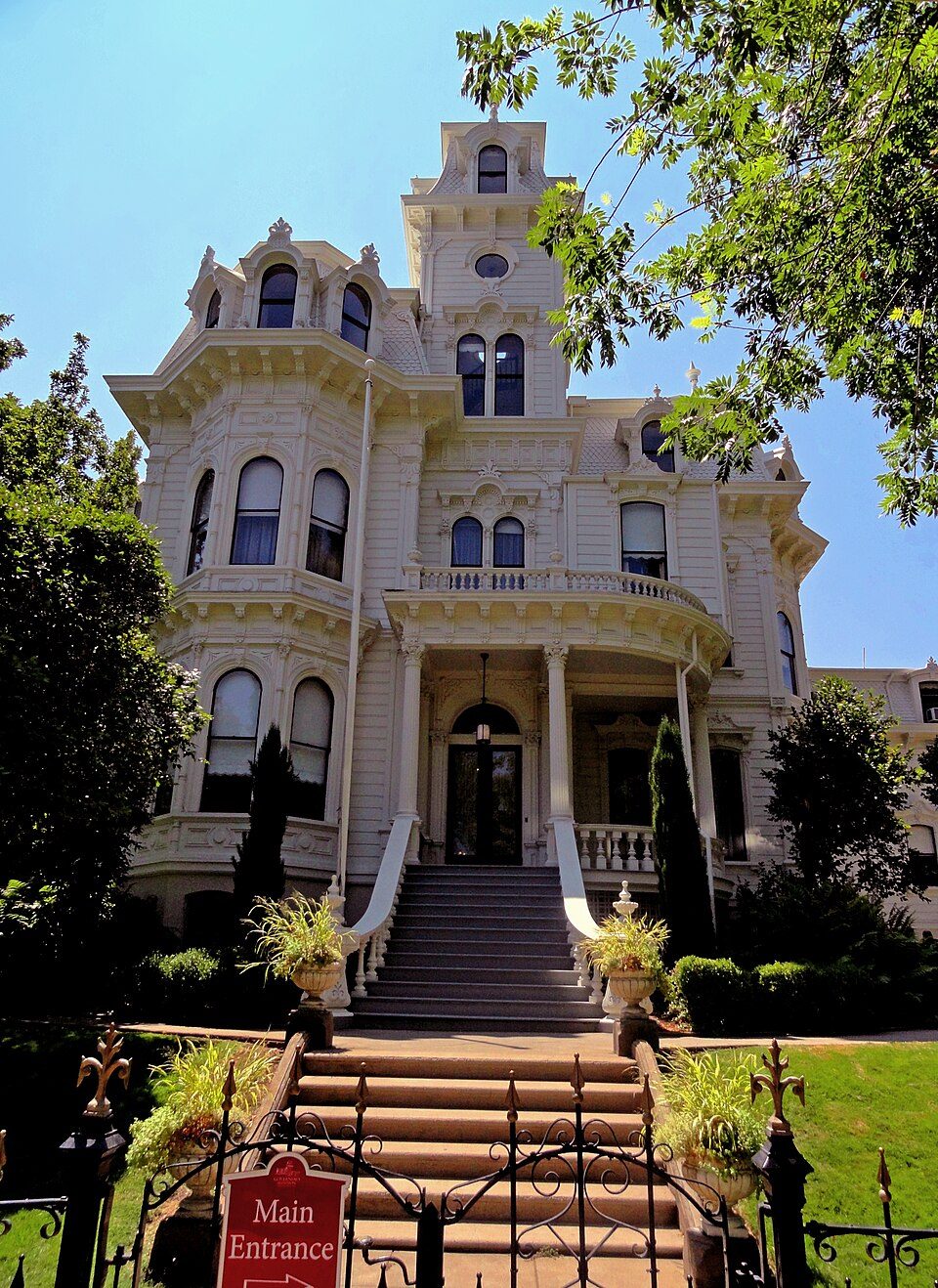 36 mi State parkGovernor's Mansion State Historic Park
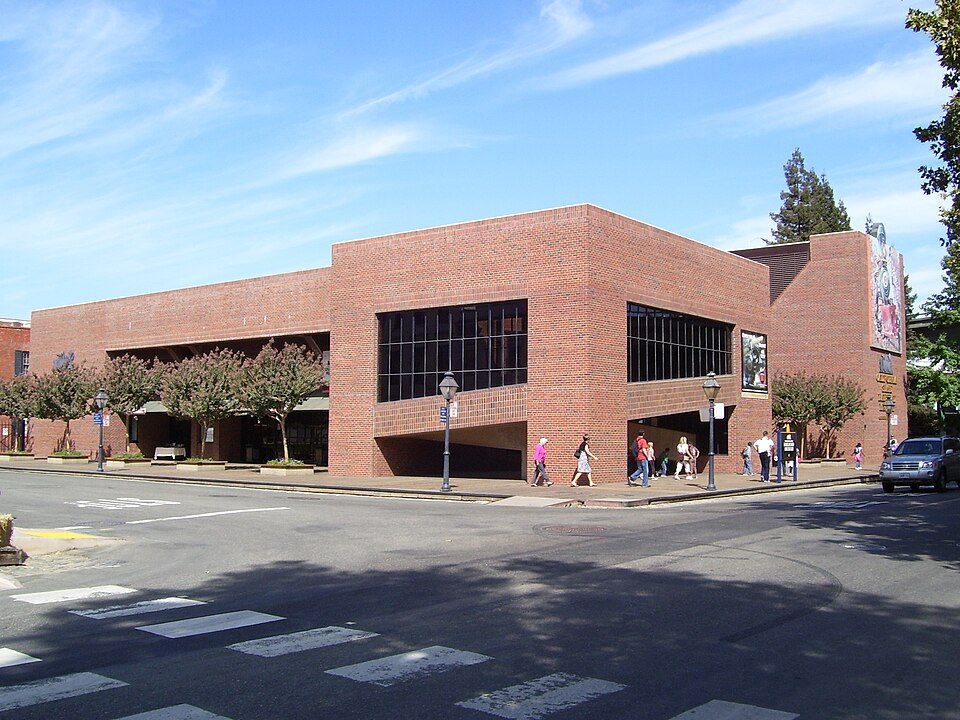 37 mi MuseumCalifornia State Railroad Museum500K visitors a year
 37 mi State parkEmpire Mine State Historic Park
Photo credits
Sutter's Fort: Ian Howard, CC BY 2.5 · ARCO Arena: CLopez63, CC BY-SA 3.0 · Hornet Stadium: Quintin Soloviev, CC BY 4.0 · Governor's Mansion State Historic Park: Mark James Miller, CC BY 3.0 · California State Railroad Museum: The original uploader was Swampyank at English Wikipedia., CC BY-SA 3.0 · Empire Mine State Historic Park: Beej71, CC BY 2.5


Everything we know about Diamond Springs
Colleges nearby
None within 15 miles of Diamond Springs; the nearest are
About 3 of every 100 Diamond Springs residents are enrolled in college, against 8 across California.
About Diamond Springs
Census-designated place in California, United States
Diamond Springs (formerly, Diamond Spring and Diamond) is a census-designated place (CDP) in El Dorado County, California, United States. It is part of the Sacramento metropolitan area. The population was 11,345 at the 2020 census, up from 11,037 at the 2010 census. The town is registered as California Historical Landmark number 487. It lies at an elevation of 1791 feet (546 m).
From Wikipedia, licensed CC BY-SA 4.0 · facts via Wikidata (CC0)
- Area
- 17 sq mi
- Elevation
- 1,791 ft
- ZIP code
- 95619
- Area code
- 530
Diamond Springs’s neighbors
2 towns share a border with Diamond Springs.
| Town | CA rank | Overall | Cost | Safety | Schools | Health |
|---|---|---|---|---|---|---|
| Diamond Springs | #362 | C | C− | — | B+ | B |
| Shingle Springs | #7 | A | C | — | A | A− |
| Placerville | #398 | C | C | C− | B+ | B |
Diamond Springs and Shingle Springs report no FBI crime data of their own. Compare Diamond Springs with a neighbor →
Questions about Diamond Springs
Short answers, built from the data on this page.
Is Diamond Springs, CA a good place to live?
Diamond Springs grades C overall, better than 32% of U.S. towns and #362 of 841 in California. It grades B for health and B+ for schools. Hazard risk is its weak spot, with a D.
Is Diamond Springs, CA expensive?
Yes. Cost of living, which also weighs rents, property taxes and how many households pay 30% or more of their income for housing, grades C−.