Bear Valley Springs has no public library of its own; the nearest is Arvin Branch Library in Arvin, 9.5 miles away
Bear Valley Springs doesn’t have a public library of its own. The closest is Arvin Branch Library in Arvin, 9.5 miles away. Many small-town libraries give cards to neighbors, sometimes for a yearly fee, so call ahead.
–Civic lifeNot graded: unincorporated places have too few inputsLibraries for Bear Valley Springs, in brief
Bear Valley Springs borrows from the libraries next door
Bear Valley Springs has no public library of its own, but Arvin Branch Library is 9.5 miles away in Arvin. Many small-town libraries give cards to people from neighboring towns, sometimes for a yearly fee, so call ahead. Nearest libraries ↓
The closest isn’t the one open longest
Arvin Branch Library is nearest, open about 20 hours a week. Tehachapi Branch Library, 13 miles away, is open about 32 hours a week, so it may be easier to fit in. Nearest libraries ↓
This summary is written from the numbers on this page. Distances are straight-line from the town center.
What’s behind Bear Valley Springs’ civic life grade
Bear Valley Springs isn’t graded on civic life: it’s unincorporated, so its nonprofits can’t be counted reliably (mailing addresses don’t follow its boundary) and it has no public library of its own.
Civic life counts registered nonprofits, library visits and online volunteering groups, so it can miss civic life that runs through congregations, mutual aid or neighbors looking out for each other.
Library visits: IMLS Public Libraries Survey, FY2024. Nonprofits: IRS Exempt Organizations Business Master File, October 2026. Volunteering: Social Capital Atlas (Opportunity Insights), from data by Meta Platforms, Inc.; Chetty et al., Nature 2022. How TownRatings grades civic life →
Volunteering in Bear Valley Springs
Bear Valley Springs is unincorporated, so its nonprofits aren’t counted: they file by mailing address, which doesn’t follow its boundary.
19.3%
19.3% of Bear Valley Springs’ Facebook users aged 25–44 belong to a volunteering or activism group, against 5.9% in the typical California town and 7.5% nationally.
Volunteering: Social Capital Atlas (Opportunity Insights), from data by Meta Platforms, Inc.; Chetty et al., Nature 2022. ZIP-code figures, weighted by where Bear Valley Springs’ residents live; 2022.
The closest is 9.5 miles away
Closest first, measured from the center of Bear Valley Springs. Each one’s hours, and whether it charges late fines.
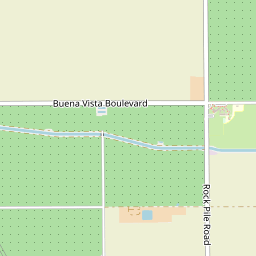
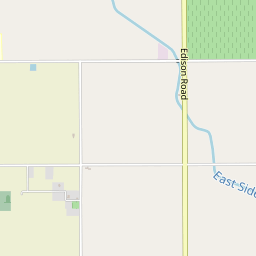
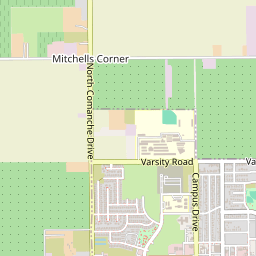

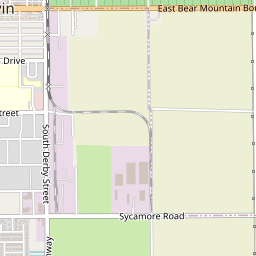
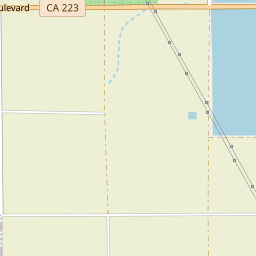
Libraries next door
Who has a library of their own, and how much each town borrows. Tap a town to see its library.
Loans = print + digital items borrowed in the library’s fiscal year, per person it serves. — = no library of its own, a county or regional system (its numbers cover many towns), or no report. Civic life: — = not graded (unincorporated places, whose nonprofits can’t be placed by mailing address, or towns with fewer than two of the three inputs).
What this data can and can’t tell you
From the Public Libraries Survey, fiscal year 2024.
- The library’s own count. Libraries report their own visits, loans and programs. A library that didn’t respond keeps its address and hours here, with no numbers.
Hours are the survey’s yearly average; libraries are compared with others serving about as many people. How TownRatings uses library figures →
Questions about the library and civic life in Bear Valley Springs
Does Bear Valley Springs have a public library?
No. The closest is Arvin Branch Library in Arvin, 9.5 miles from the town center. Many libraries give cards to people from neighboring towns, sometimes for a yearly fee, so call ahead.
What is Bear Valley Springs’ civic life grade?
Bear Valley Springs isn’t graded on civic life: it’s unincorporated, so its nonprofits can’t be counted reliably (mailing addresses don’t follow its boundary) and it has no public library of its own. How it works.
Book talk
Reading, story times and the library in Bear Valley Springs.
Libraries: Institute of Museum and Library Services, Public Libraries Survey, fiscal year 2024. Each library reports its own numbers. Distances are straight-line from the town center. “What your card is worth” uses typical retail prices and is an estimate, not an official figure.