137 years in pictures
Census counts: 583 in 1900, 6,938 in 2020. The archive holds 12 old photos and papers going back to 1935 and 2 maps from 1958 on.
1 place on the National Register of Historic Places.
- 1889Oneonta is settled
Each edition grades its towns against each other only.

Public schools that outperform most of Alabama.
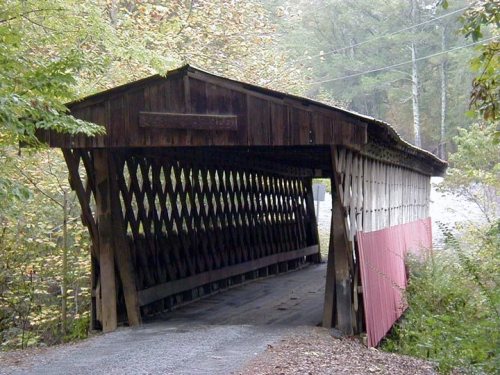
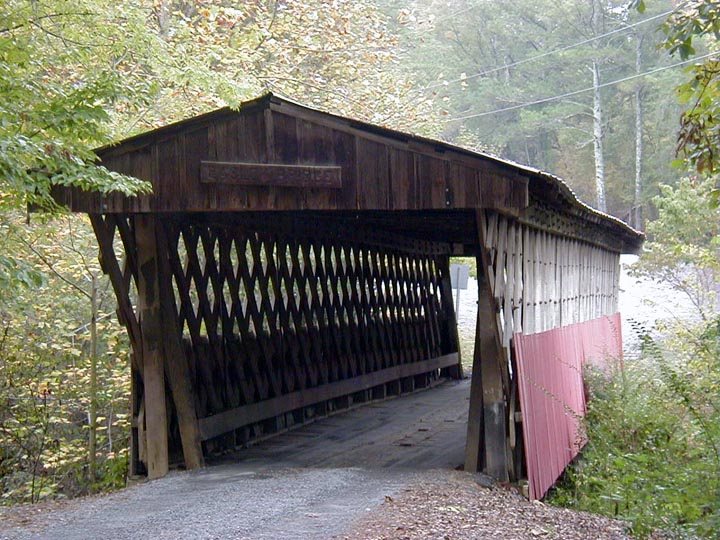
Oneonta gives you more for your money than most places: a typical home costs about $216K, 3 years of the Birmingham metro’s $71K median household income. It grades B− overall, ranked 65th of 187 in Alabama. The low prices come with trade-offs. Its police reported 9 violent crimes reported to the FBI in 2025, a higher rate per resident than 82% of U.S. towns. On the plus side, its schools rank ahead of 90% of Alabama towns. Oneonta’s property crime rate is 26.2 per 1,000 residents, above both Alabama’s towns (16.9) and U.S. towns (9.9). Oneonta's civic life (library use, community groups, volunteering) trails 91% of U.S. towns. Easley Covered Bridge is on the National Register of Historic Places.
Where Oneonta beats most towns.
| School | Grades | Students |
|---|---|---|
| Oneonta Elementary School | K–5 | 663 |
| Oneonta Middle School | 6–8 | 316 |
| Oneonta High School | 9–12 | 401 |
Easley Covered BridgeEach subject compared with towns across the country (schools within Alabama), ordered by how far Oneonta is from typical.
How TownRatings grades towns →
Census counts: 583 in 1900, 6,938 in 2020. The archive holds 12 old photos and papers going back to 1935 and 2 maps from 1958 on.
1 place on the National Register of Historic Places.
Who provides power, water and the rest in Oneonta, and how to reach them.
EPA SDWIS (Oct 9, 2026) · HIFLD + EIA-861 2025 · Census 2020 ZCTAs · NCES 2024–25 · registration: vote.gov, updated Nov 18, 2024.
Ordered by what stands out in Oneonta.
Oneonta pairs an A for schools with modest home prices and trades lower home prices for longer drives to work, but it is a long drive from an emergency room.
13 miles of trail in 5 parks and preserves. Oneonta’s trail density is 0.8 miles per square mile. The biggest park or preserve is Oneonta Recreation Park, at 28 acres.
| Oneonta | Alabama towns | U.S. towns | |
|---|---|---|---|
| Miles of trail per square mile | 0.8 miles per square mile | 0.1 | 0.4 |
| Conserved land | 0.4% | 1.2% | 4.3% |
| Biggest places to walk | Trails | Acres |
|---|---|---|
| 1. Oneonta Recreation Park | 0.8 mi | 28 |
| 2. Woodland Scout Park | 0.4 mi | 4 |
| 3. Polk Park | — | 3 |
Trails & parks © OpenStreetMap contributors · Conserved land: USGS PAD-US
Its A for schools comes with an A− for cost of living: the typical home is worth about $216K.
Its public schools are run by the Oneonta City school district. Two of its 3 schools are below, each with why it’s listed. The largest public high school is Oneonta High School, with 401 students.
| School | Level | Students | Letter |
|---|---|---|---|
| Oneonta Elementary SchoolLargest public elementary schoolGrades K–5 | Grades K–5 | 663 | A− |
| Oneonta High SchoolLargest public high schoolGrades 9–12 | Grades 9–12 | 401 | B |
NCES · EDFacts · graded within AL on state tests and graduation
Reported crimes fell from 278 to 194 over the last three FBI years, a drop beyond ordinary year-to-year swings.
Oneonta reports more crime per resident than most U.S. towns we grade: about 82% report less. The violent crime rate in Oneonta is 1.3 per 1,000 residents. Within Alabama, it does better than 42% of towns.
FBI crime data, 2025 · crimes reported to police
The nearest emergency room, Cullman Regional Medical Center, is 25 miles away in a straight line. Against the 7,112 U.S. towns with household incomes like Oneonta’s, it is healthier than 54%, so its C isn’t only a matter of income.
Oneonta beats the Alabama average on 0 of 32 CDC measures and trails it on 4. 13% of Oneonta adults binge drink.
| Oneonta | Alabama towns | U.S. towns | |
|---|---|---|---|
| Binge drink (CDC PLACES) | 13% | 14% | 16% |
| No health insurance, 18–64 (CDC PLACES) | 14% | 10% | 8.1% |
| Fair or poor health (CDC PLACES) | 25% | 23% | 19% |
| Frequent physical distress (CDC PLACES) | 16% | 15% | 14% |
| What stands out | Oneonta | AL |
|---|---|---|
| More uninsured adults | 13.7% | 9.9% |
| More adults who have had cancer | 9.9% | 8.2% |
| More adults with COPD | 9.5% | 8% |
CDC PLACES 2025 · modeled estimates for adults · CMS · HRSA
The Pinson weather station, 21 miles away, records that about 64 days a year reach 90°: more than most of the country, but fewer than 81% of Alabama places with climate records. July afternoons average 89.3°: hotter than most of the country, but cooler than 86% of Alabama places with climate records; January nights average 32.4°.
Oneonta has mild winters and warm summers, with plenty of rain. About 1 inches of snow falls in a winter.
| Oneonta | Alabama towns | U.S. towns | |
|---|---|---|---|
| July high | 89°F | 91°F | 85°F |
| January low | 32°F | 33°F | 22°F |
NOAA U.S. Climate Normals, 1991–2020
About one in 5 of Oneonta’s working residents works in town. 18% of residents live below the poverty line in Oneonta. The top destinations are Birmingham (16%), Huntsville (3%) and Trussville (3%).
| Oneonta | Alabama towns | U.S. towns | |
|---|---|---|---|
| Working residents who work in town | 20% | 9.8% | 8% |
| Average trip to work | 30 minutes | 25 minutes | 25 minutes |
| Below the poverty line | 18% | 16% | 9.6% |
| Median household income | $54,000 | $62,000 | $80,000 |
Census LEHD 2023 · ACS
25% of adults 25 and older have a bachelor’s degree or more, vs 28% across Alabama. 21% never finished high school.
| Oneonta | Alabama towns | U.S. towns | |
|---|---|---|---|
| Median age | 42.8 years | 39.2 years | 40.5 years |
| Aged 65 or older | 21% | 18% | 18% |
| Bachelor’s degree or more, 25+ | 25% | 23% | 29% |
45% women, 55% men
About 120 men for every 100 women (the survey’s margin: ±3.7 points). Across Alabama, 51.4% of residents are women. Among residents 18 to 24, 89% are men (AL 50%).
| Oneonta | AL | U.S. | |
|---|---|---|---|
| Under 10 | 8.1% | 11.8% | 11.6% |
| 10 to 17 | 13.8% | 10.4% | 10.3% |
| 18 to 24 | 7.9% | 9.5% | 9.1% |
| 25 to 34 | 9.6% | 12.9% | 13.7% |
| 35 to 44 | 13.7% | 12.4% | 13.2% |
| 45 to 54 | 13.2% | 12.2% | 12.2% |
| 55 to 64 | 12.9% | 13% | 12.7% |
| 65 to 74 | 8.8% | 10.7% | 10.2% |
| 75 and older | 12% | 7.1% | 7% |
| No diploma | 20.8% | 11.4% | 10.4% |
| High school | 26.4% | 30.3% | 26% |
| Some college | 18.9% | 20.8% | 19.1% |
| Associate’s | 9.2% | 9.1% | 8.8% |
| Bachelor’s | 12.1% | 17.3% | 21.6% |
| Graduate | 12.6% | 11.1% | 14.1% |
U.S. Census Bureau · ACS 2020-2024 5-year estimates
Expected storm and flood damage is lower than in 59% of U.S. communities. Since 1982, 13 flood insurance claims have been paid out in Oneonta.
FEMA flood insurance claims · FEMA National Risk Index · OpenFEMA
Homes are within reach (about $216K for the typical one, A− for cost of living), but half of working residents commute more than 29 miles.
The typical Oneonta home is worth about $216,000, up 1.9% in a year, 9% below the Alabama typical home.
| Oneonta | Alabama towns | U.S. towns | |
|---|---|---|---|
| Median rent | $638 a month | $943 a month | $1,185 a month |
| Households that own their home | 60% | 70% | 73% |
Zillow Home Value Index · Redfin Data Center
None within 15 miles of Oneonta; the nearest are
About 2 of every 100 Oneonta residents are enrolled in college, against 6 across Alabama.
3 notable people were born in Oneonta.
City in Alabama, United States
Oneonta () is a city in Blount County, Alabama, United States. At the 2020 census, the population was 6,938. The city is the county seat of Blount County. Oneonta is home to the Covered Bridge Festival.
From Wikipedia, licensed CC BY-SA 4.0 · facts via Wikidata (CC0)
Short answers, built from the data on this page.
Oneonta grades B− overall, better than 46% of U.S. towns and #65 of 187 in Alabama. It grades C for health, C− for safety and A for schools. Safety is its weak spot, with a C−.
Within Alabama, it does better than 42% of towns.
Not for the area. Cost of living, which also weighs rents, property taxes and how many households pay 30% or more of their income for housing, grades A−.
3 notable people were born here, including Osmond Kelly Ingram and Steve Patton.