Huntsville dates to 1805, and 72 of its places are on the National Register
More historic than 73% of U.S. towns · #31 of 187 in Alabama. What drives it
Most of Huntsville was built recently: 3% of its homes predate 1940 and the median home dates from 1985. 72 places in town are on the National Register, among them 2 National Historic Landmarks and ten historic districts with 2,779 buildings between them. Below: 10 old photos and papers, maps from 1884 on, and the census since 1840.
Founding year: Wikidata; Wikipedia’s history section gives the same year. First post office: 1811.The full story ↓
History grade
What drives Huntsville’s History grade
On its age, its old homes and the National Register, Huntsville is more historic than 73% of U.S. towns, #31 of 187 in Alabama. Its National Register listings hold the grade up; its share of homes from before 1940 pulls it down.
B+
HistoryA character grade: shown, never part of Huntsville’s overall grade.
Among the 400 U.S. cities of 100,000 or more, Huntsville ranks #157 on History.
Alabama towns list about as much on the Register as the country (a typical Alabama town has 2.7 per 10,000 residents, the U.S. 2.4), so Huntsville’s 129 sits above most of its state (86% of Alabama towns have fewer) while its 2,866 historic buildings outnumber those of 100% of U.S. towns.
Newer cities are common at Huntsville’s size: in the typical U.S. city of 100,000 or more, 5% of homes predate 1940.
How sure. Graded on any two of the three inputs instead, the letter would range from C+ to A. The pre-1940 share (±0.4 points) is firm at this size. Two sources give 1805.
Founding year: Wikidata (other dates in Quick answers). Homes: Census ACS 2020–24. National Register: National Park Service, May 2026 list; each listing counted once (boundary changes and added documentation belong to their listing), and a historic district counts its contributing buildings. How TownRatings grades history →
What stands out about Huntsville’s past
Read from the archive, the National Register and the record. The page puts what stands out first.
The country’s official list of buildings and places worth saving. 2 are National Historic Landmarks, the highest tier. Boundary changes and added documentation are counted with their listing.
Due to settlement pressures after the United States gained independence, this area had become largely empty of indigenous peoples by the turn of the 19th century. An Indian trader and boatman named James Ditto established himself at a landing on the river prior to American settlement. Revolutionary War veteran John Hunt was a pioneer in 1805 on land around the Big Spring. The US negotiated an 1805 treaty with the Chickasaw and an 1806 treaty with the Cherokee who ceded their claims to land to the federal government.
Passages that mention Huntsville, cut from the printed page as they were published.
Early history of Huntsville, Alabama, 1804-18701916 · page 82Read the page →
Read the text
To one not conversant with the history of Huntsville and her citizens, this caption might seem somewhat boastful if not humorous. It has been well said, that, the history of Huntsville in early years, is the history of the State. To this might be added, and of the nation ; for, in truth, no other community founded in the nineteenth century has, through her worthy citizenship contributed more to the life of the nation, or been more prominent in national and State affairs than Huntsville. It is
Text read by machine from the scan; it may contain errors.
Early history of Huntsville, Alabama, 1804-18701916 · page 26Read the page →
Read the text
lows: "Section 1. Be it enacted by the Legislative Council and House of Representatives of the Mississippi Territory, in general assembly convened, That the town of Huntsville, in Madison county, shall be, and the same is hereby incorporated, and all free white male inhabitants of said town, above the age of twenty-one years, are hereby authorized to vote for five persons as trustees of said corporation, who are authorized and
Text read by machine from the scan; it may contain errors.
Historical and statistical review and mailing and shipping guide of North Alabama (illustrated) embracing the cities of Birmingham, Anniston, Gadsden, Huntsville, Decatur, Tuscaloosa and Bessemer, with their manufacturing and mercantile industries ... and1888 · page 225Read the page →
Read the text
Through recent railroad connection Huntsville is now in direct communication also with the great coal fields of Tennessee, by which steam coal is brought to her depot at $1.25 per ton. And upon completion of the railroad to Birmingham from this city, through Murphree's Valley, coal will be brought here much cheaper. This road is now under construction, and is expected to be completed by the first of January, 1889. This valley is one of the richest in the State in iron and coal, and is only about fifty miles south of Huntsville.
Text read by machine from the scan; it may contain errors.
Scans and text from the Internet Archive. Books published in 1930 or earlier, which are in the public domain.
Timeline
Huntsville, 1805 to 1973
Woven from the archive, old maps, post office records, the National Register and the people born here.
Nothing in the archives for these yearsWeddings on Main Street, storms, parades, school pictures, the old store. If it’s in your family album, it belongs here.
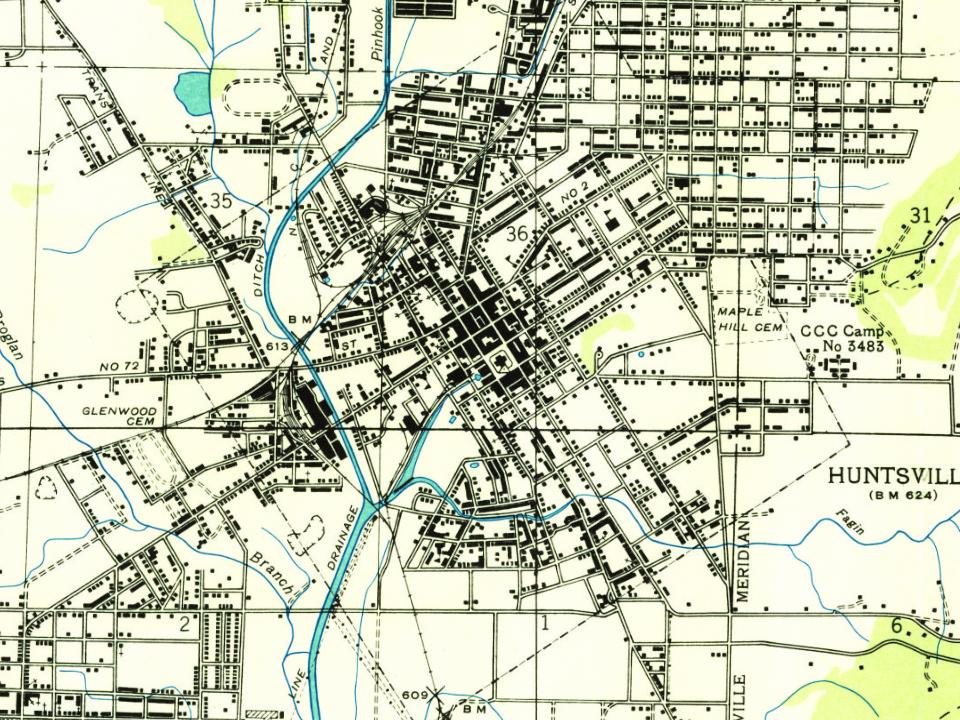
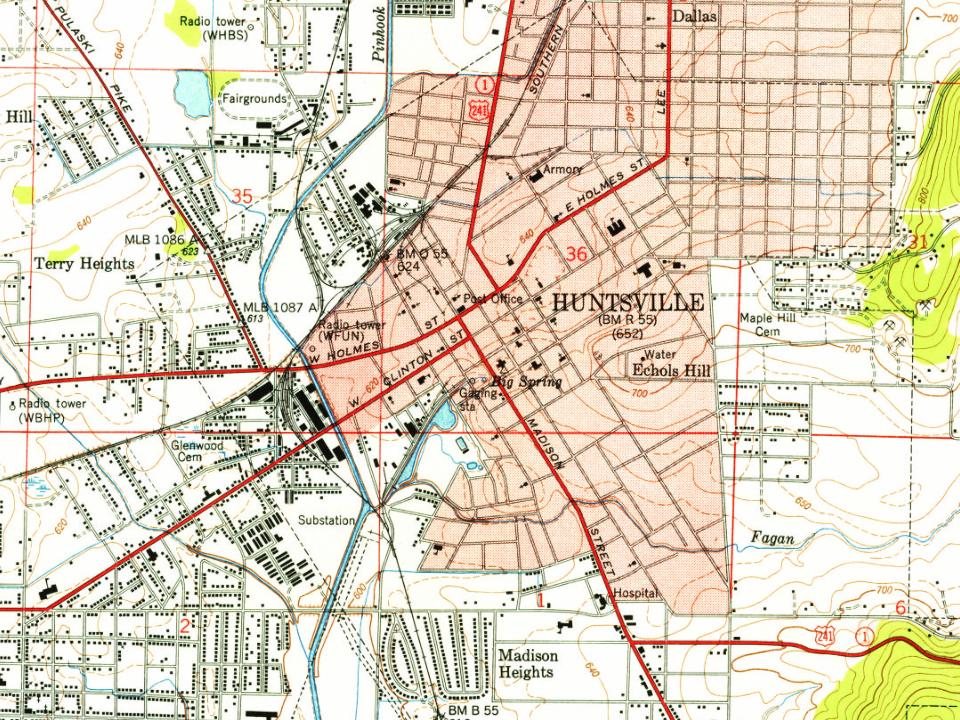
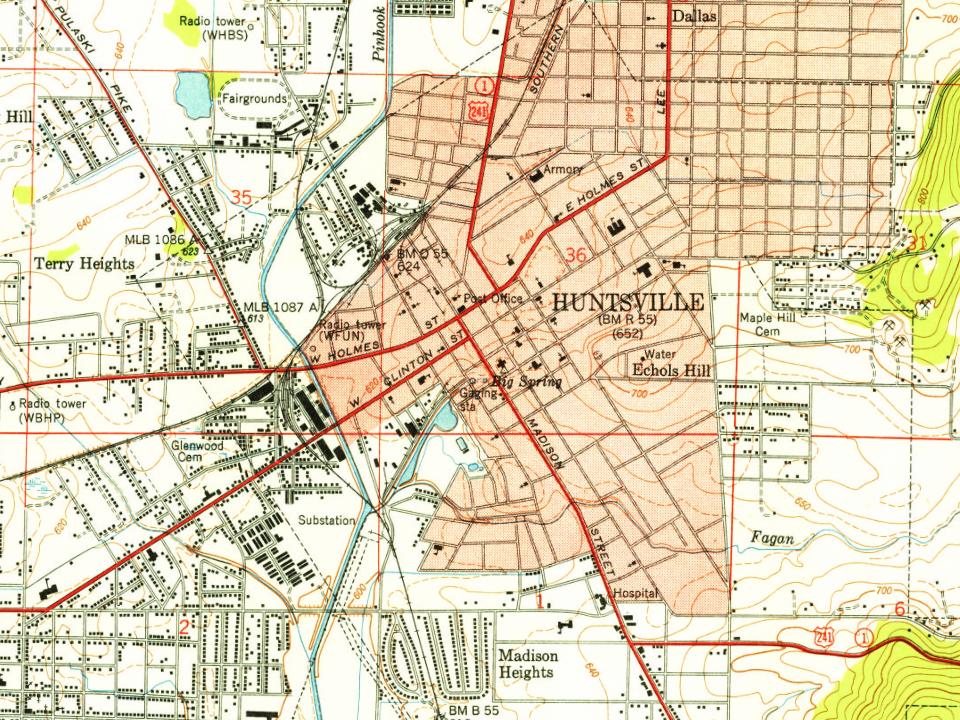
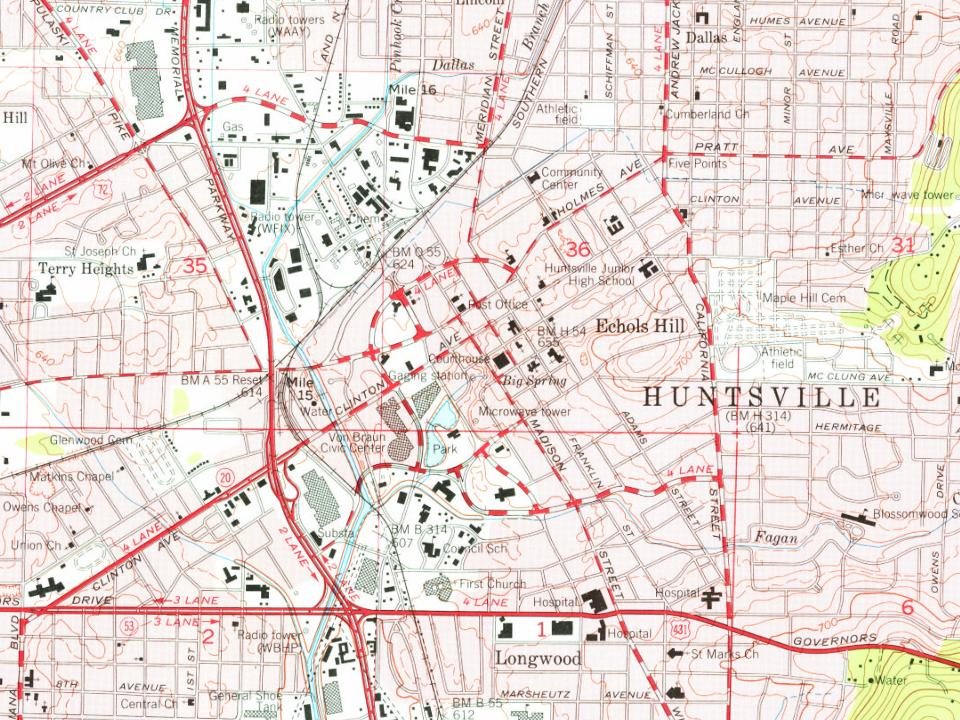
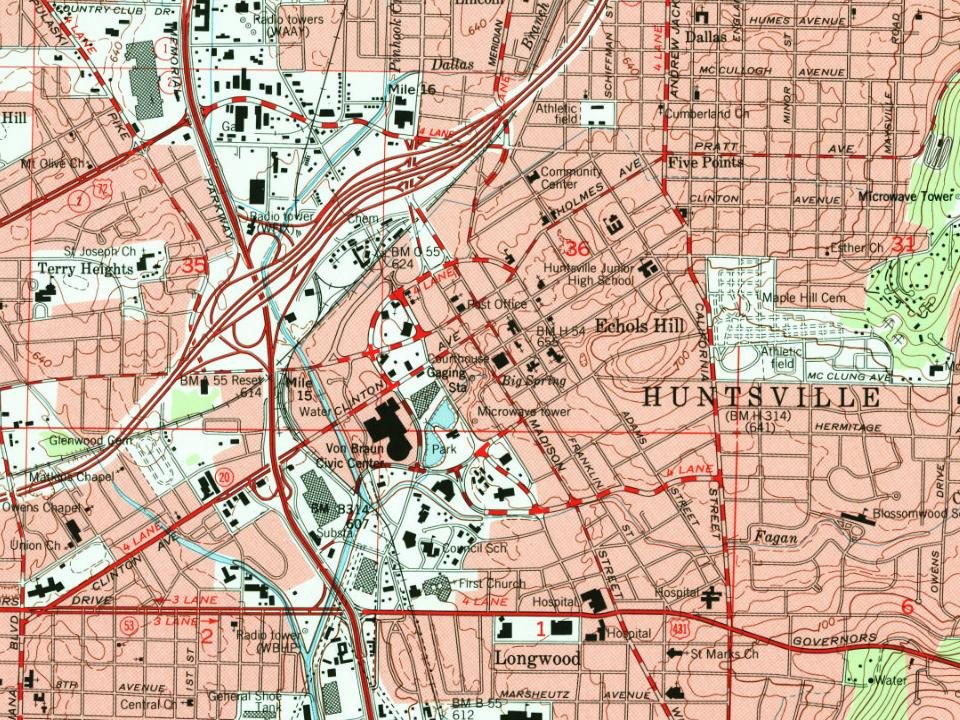
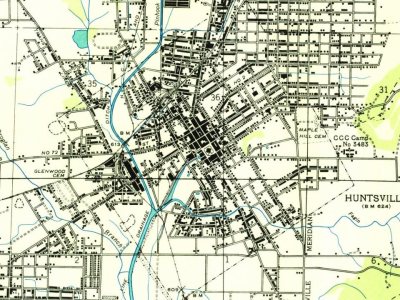
Every edition of the U.S. Geological Survey’s map of Huntsville. Tap a year, or press play to watch the town change.
1936Huntsville sheet · 1:24,000
U.S. Geological Survey historical topographic maps (public domain), via Esri’s collection of the scans. The red ring marks the center of Huntsville.
Every building
Huntsville, building by building, 1884–1921
Fire insurance maps drew every building, what it was made of and what it was used for, so insurers could price the risk of fire. Pick a year, then a sheet.
In 1805, according to Wikidata and Wikipedia’s history of the town. Huntsville’s post office opened in 1811, and the census of 1840 counted 2,496 people here.
How does Huntsville rank for history?
Huntsville is more historic than 73% of U.S. towns, #31 of 187 in Alabama. The History grade combines the town’s founding era, the share of homes built before 1940 and its National Register listings. It’s a character grade, so it isn’t part of the overall grade. How it works.
What is on the National Register in Huntsville?
72 listings, 2 of them National Historic Landmarks: 56 buildings, among them the Episcopal Church of the Nativity (a National Historic Landmark since 1990) and the Southern Railway System Depot (listed 1971, the first), 12 historic districts with 2,779 contributing buildings, 3 sites, and 1 structure. 2,866 historic buildings in all.
How old are the homes in Huntsville?
3% of Huntsville’s homes were built before 1940 (Census estimate), against a typical 3.2% for an Alabama town; the median home was built in 1985.
Founding dates: Wikidata, Wikipedia, the U.S. post office records of Blevins & Helbock (CC0) and the Census. Homes by year built: Census ACS 2020–24. National Register of Historic Places: National Park Service (list of May 22, 2026). Old photos, postcards and papers: Wikimedia Commons, the Library of Congress and other public archives, credited on each item’s page. Maps: U.S. Geological Survey historical topographic maps (via Esri) and Sanborn fire-insurance maps (Library of Congress). History text and census tables: Wikipedia (CC BY-SA 4.0). Places that used to be: USGS Geographic Names Information System (2021).
From Wikimedia Commons (9), the Library of Congress (1), Wikidata (1), the National Register of Historic Places (72), Wikipedia, Wikidata and Wikipedia for famous people, U.S. Geological Survey historical maps, U.S. Census counts (via Wikipedia), the US Post Offices dataset (Blevins & Helbock), the USGS Geographic Names Information System, Sanborn fire insurance maps (Library of Congress) and old county and town histories (Internet Archive). Archive images are copied here with their credits and licenses, shown on each photo’s page. Refreshed monthly.
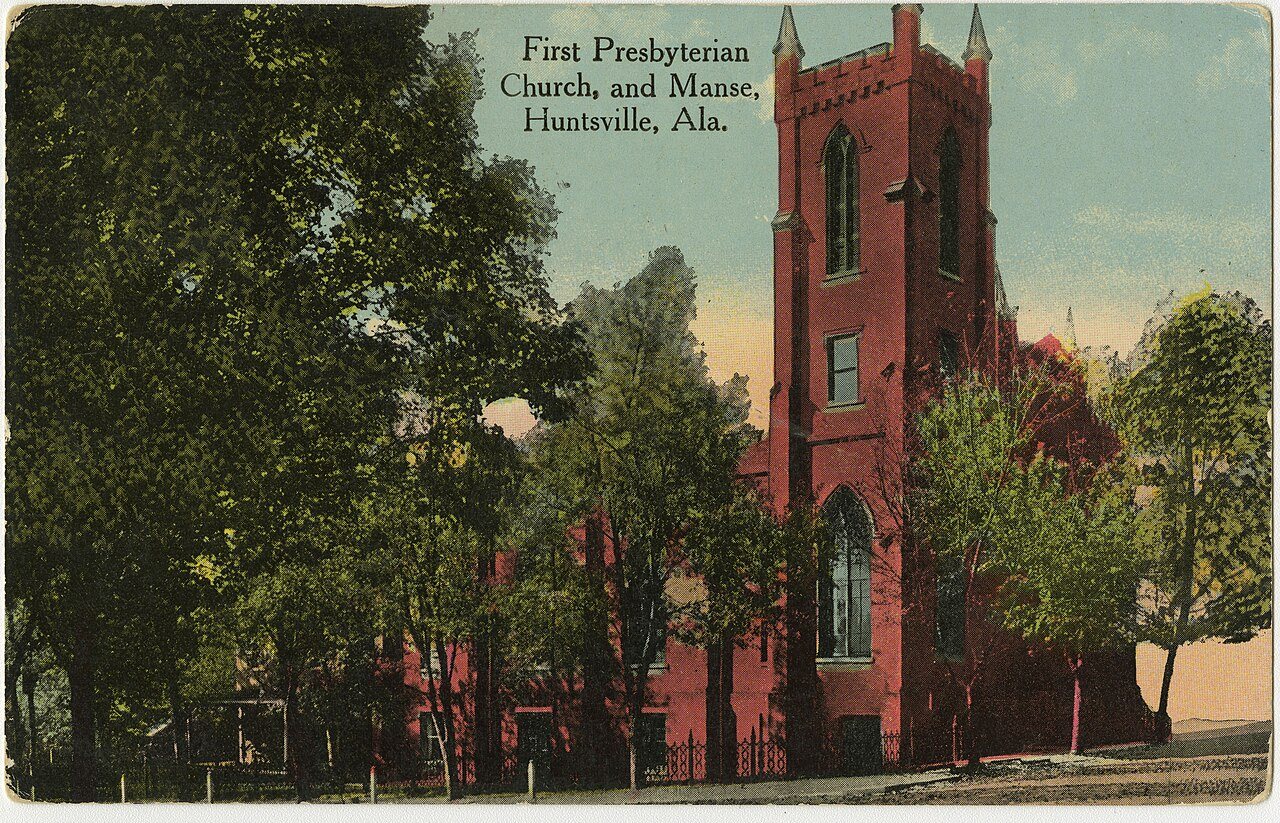


 ★ Landmark
 ★ Landmark


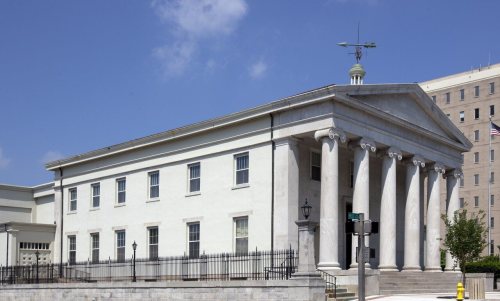
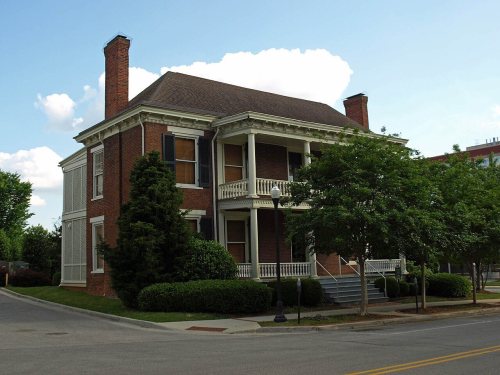



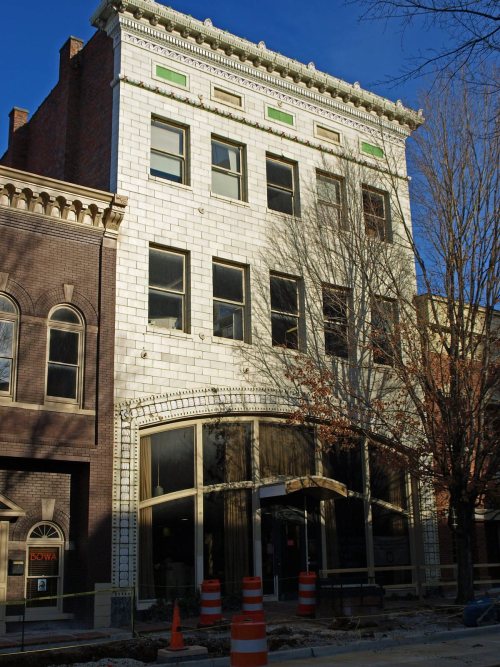
 1818
 1864
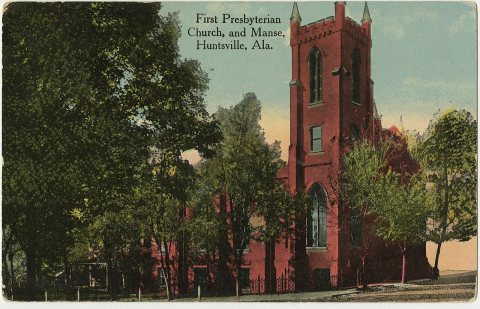 1923
 1940