Gainesville’s post office opened in 1833, and 14% of its homes were built before 1940
8 places in town are on the National Register, among them two historic districts with 27 buildings between them. Below: 9 old photos and papers, maps from 1884 on, and the census since 1850.
From Gainesville’s archive · credits on each photo
Quick answers
How Gainesville began
When was Gainesville founded?
1833
The Gainesville post office opened in 1833, the earliest record of the town by name. Another post office, Paynesville (1839), opened inside today’s town and later closed.
First census: 1,500 in 18502020 census: 172193 years
Founding year: the first Gainesville post office (Blevins & Helbock, CC0).
What stands out about Gainesville’s past
Read from the archive, the National Register and the record. The page puts what stands out first.
National Park Service, National Register of Historic Places. Photos from Wikimedia Commons, credited on each place’s page.
Every building
Gainesville, building by building, 1884–1925
Fire insurance maps drew every building, what it was made of and what it was used for, so insurers could price the risk of fire. Pick a year, then a sheet.
1884Sheet 1 of 1
Edition
Sheets
BrickWoodStone
Sanborn Map Company, via the Library of Congress. Editions published in 1930 or earlier, which are in the public domain.
The story so far
Gainesville, in brief
Wikipedia doesn’t have a history of Gainesville yet. The photos, dates and memories neighbors add here are how it gets written.
Gainesville is a town in Sumter County, Alabama, United States. Founded in 1832, it was incorporated in 1835. As of the 2020 census, Gainesville had a population of 172. Confederate Lieutenant General Nathan Bedford Forrest surrendered his men near Gainesville on May 19, 1865, at the Civil War's end.
Its first post office opened in 1833. Between the 2010 and 2020 censuses its population fell from 208 to 172 (-17%).
Intro from Wikipedia. Population: U.S. Census Bureau.
Timeline
Gainesville, 1833 to 1989
Woven from the archive, old maps, post office records, the National Register and the people born here.
Nothing in the archives for these yearsWeddings on Main Street, storms, parades, school pictures, the old store. If it’s in your family album, it belongs here.
The Gainesville post office opened in 1833, the earliest record of the town by name (U.S. post office records).
What is on the National Register in Gainesville?
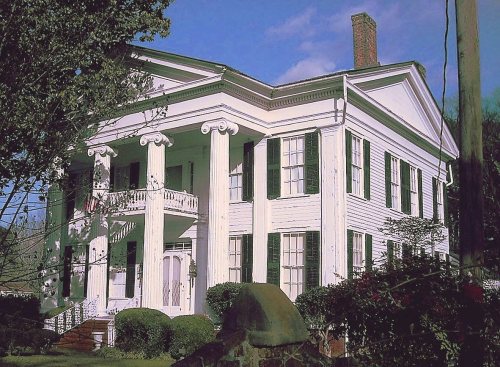
8 listings: 5 buildings, among them the Col. Green G. Mobley House (listed 1982, the first), 2 historic districts, the Gainesville Historic District and the Main-Yankee Street Historic District, with 27 contributing buildings, and 1 structure. 32 historic buildings in all.
Founding dates: Wikidata, Wikipedia, the U.S. post office records of Blevins & Helbock (CC0) and the Census. Homes by year built: Census ACS 2020–24. National Register of Historic Places: National Park Service (list of May 22, 2026). Old photos, postcards and papers: Wikimedia Commons, the Library of Congress and other public archives, credited on each item’s page. Maps: U.S. Geological Survey historical topographic maps (via Esri) and Sanborn fire-insurance maps (Library of Congress). History text and census tables: Wikipedia (CC BY-SA 4.0). Places that used to be: USGS Geographic Names Information System (2021). How TownRatings grades history →
From Wikimedia Commons (13), the Library of Congress (1), Wikidata (3), the National Register of Historic Places (8), Wikidata and Wikipedia for famous people, U.S. Geological Survey historical maps, U.S. Census counts (via Wikipedia), the US Post Offices dataset (Blevins & Helbock), the USGS Geographic Names Information System and Sanborn fire insurance maps (Library of Congress). Archive images are copied here with their credits and licenses, shown on each photo’s page. Refreshed monthly.
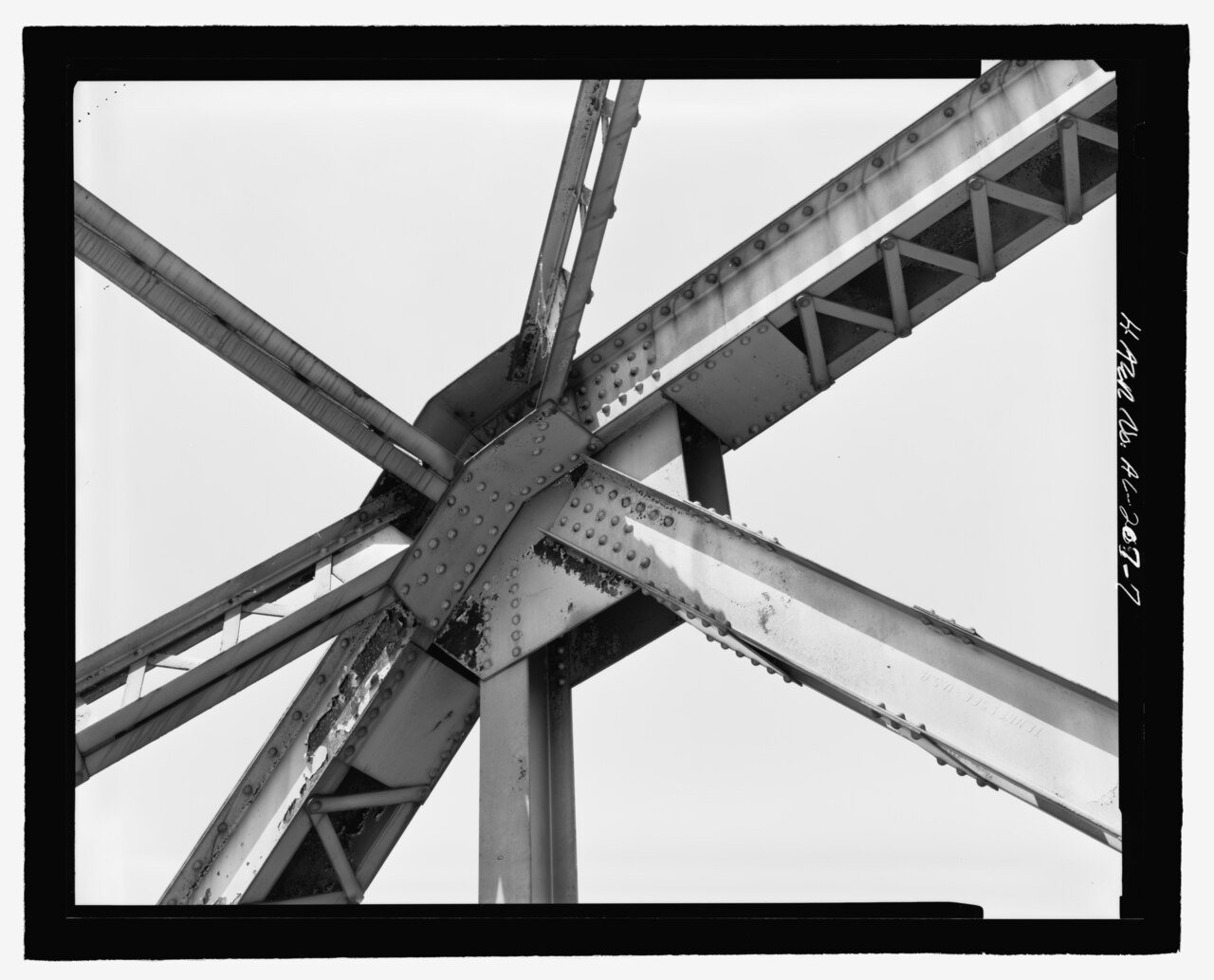




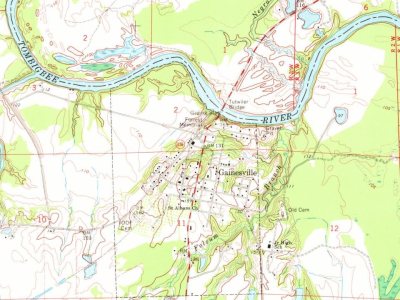
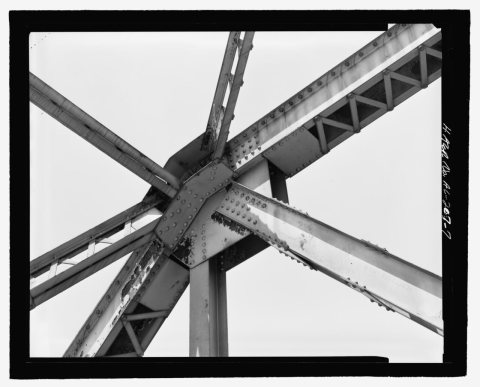
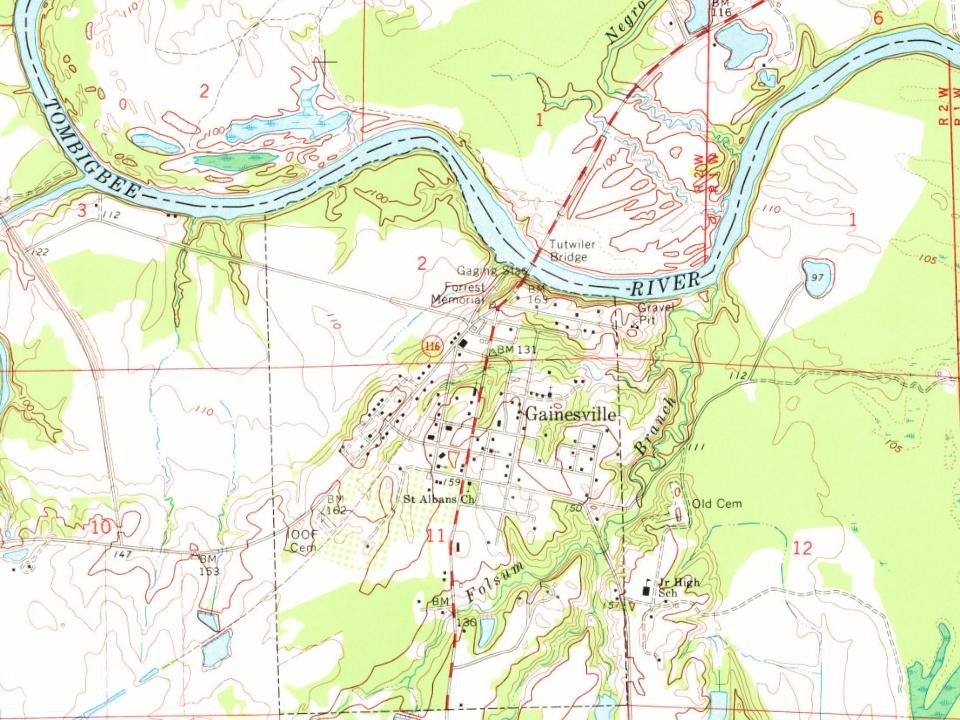
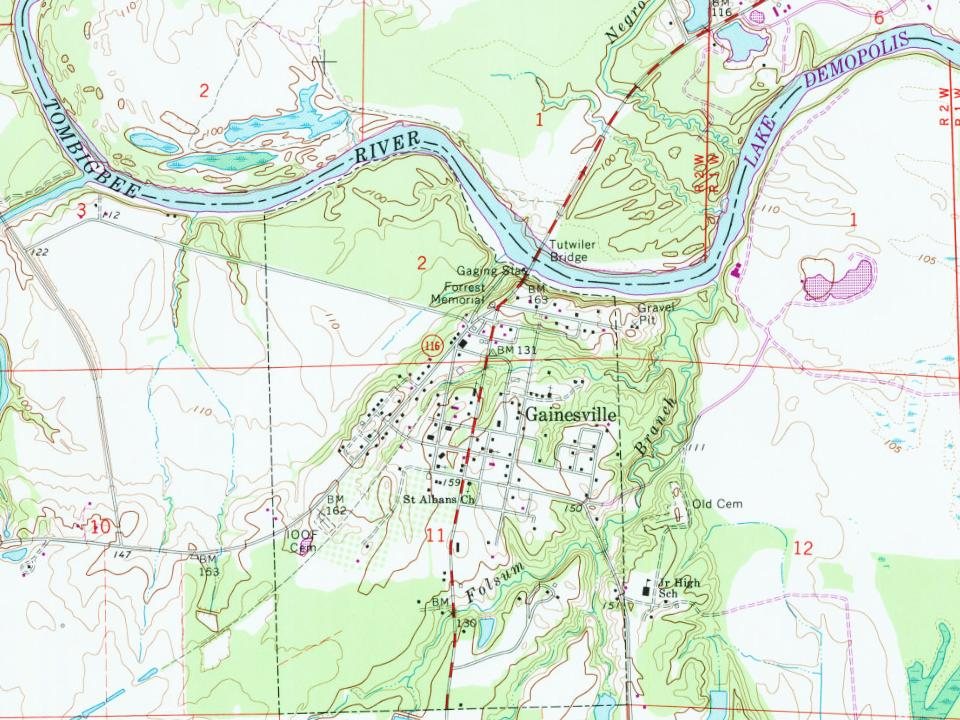
 1989
 1989
 1989
 1989
 1989
 1989
 1989
 Date?
 2021
 2017
 2011
 2011
 2004