Guest, Sign inJoin

Post to St. Paul

We’ll email a one-tap link to publish your post. No password, and nothing is public until you click it.
Already a member? Sign in
StPaulAlaska
Alaska›Aleutians West Census Area

St. PaulAK

Population 418: a town settled in 1880.

Photo: Public domain · Public domain
Photo of St. Paul

St. Paul, AK · Photo: Public domain · Public domain · Source ↗

Is St. Paul a good place to live?

St. Paul’s average commute is 6 minutes, where Alaska’s towns sit at 21 minutes and U.S. towns at 25 minutes. Of the 42 Alaska towns we compare, none has a higher typical household income than St. Paul. Alaska Maritime National Wildlife Refuge, at 2,360 acres with 5.1 miles of trail, is the biggest park or preserve. St. Paul has fewer than 1,000 residents, too few for fair grades; the figures below are still real.

Small town

418 people, and everyone knows the way

In a town this size, neighbors are the best guide. Ask them anything.

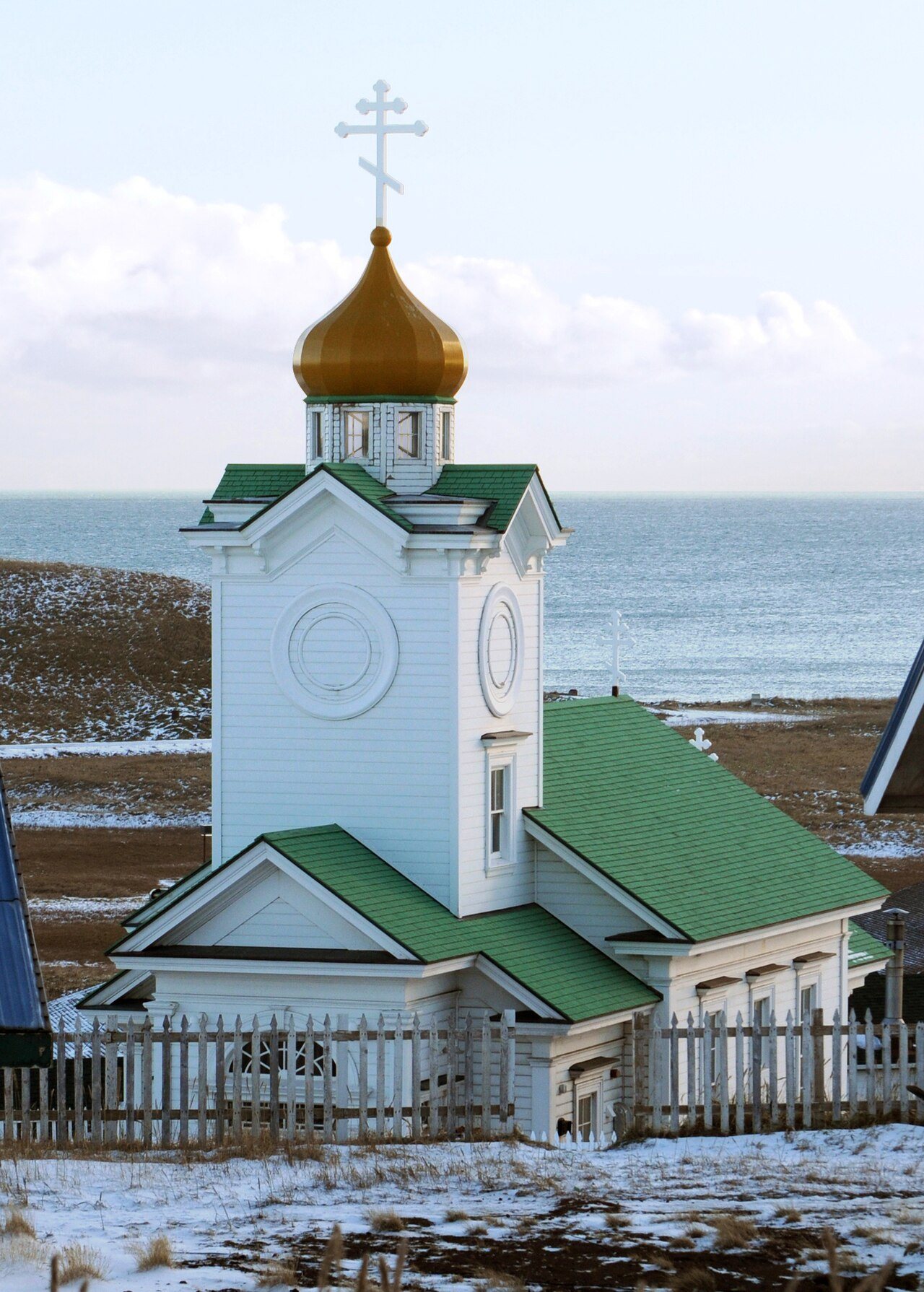
Sts. Peter and Paul Church
Sts. Peter and Paul Church · National Register of Historic Places
St. Paul’s story

146 years in pictures

Census counts: 298 in 1880, a peak of 763 in 1990, 413 in 2020. The archive holds 1 old photo or paper and 2 maps from 1958 on.

1 place on the National Register of Historic Places.

  • 1880St. Paul is settled
Explore the history →
Getting set up

Moving to St. Paul: who provides what

Who provides power, water and the rest in St. Paul, and how to reach them.

The full setup list →
PowerCity of Saint PaulEIAHIFLD · EIA
WaterSaint Paul Water System1 health-based violation in 5 years · EPAEPA
InternetProviders and speedsData pending · D4
Trash & dumpNot on file yetWe don’t have St. Paul’s trash rules yet
SchoolsPribilof School DistrictWhich school depends on your addressNCES
Register to voteOnlineIn Alaska you can register online until 30 days before Election Day, in person until 30 days before Election Day, or by mail (received 30 days before).vote.gov
Who runs elections hereAbsentee and Petition OfficeState of Alaska; contacts on the Handbook page.FVAP, Jun 2025
ZIP code9966099660 100%Census 2020

EPA SDWIS (Oct 9, 2026) · HIFLD + EIA-861 2025 · Census 2020 ZCTAs · NCES 2024–25 · registration: vote.gov, updated Sep 30, 2026.

The data

Ordered by what stands out in St. Paul.

Natural hazards

The FEMA risk score in St. Paul is higher than in most of Alaska or the rest of the country

One declared disaster, in 2022, has brought federal aid to St. Paul households. FEMA puts 93% of the town’s expected hazard losses down to tsunamis, and 7% to earthquakes. Expected storm and flood damage is higher than in 100% of U.S. communities.

100risk score of 100
FEMA risk score
100Very high riskLowerHigher
TsunamisEarthquakes
1
federal disasters paid out here

FEMA disaster declarations and aid · FEMA National Risk Index · OpenFEMA

Schools

The schools St. Paul’s kids attend

The public schools here belong to the Pribilof School District. Its one school is below. 61 students attend St. Paul’s public school.

SchoolLevelStudentsLetter
St Paul SchoolLargest public high schoolGrades PK–12Grades PK–1261B−

NCES · EDFacts

Climate

A typical July afternoon in St. Paul is cooler than in the typical Alaska or U.S. town

St. Paul has chilly, snowy winters and cool summers. July afternoons reach 52°, January nights drop to 21° and about 64 inches of snow falls in a winter.

64″snow a winter

Typical low → high °F

Winter22–31°
Spring26–35°
Summer43–51°
Fall36–44°
Sep 28
typical first frost
Jun 4
typical last frost

NOAA U.S. Climate Normals, 1991–2020

Health

How healthy St. Paul is

Nearly a fifth of adults in St. Paul report frequent physical distress; 31% worry about having enough food. The town beats the Alaska average on 1 of 32 CDC measures and trails it on 21. Of the 42 Alaska towns we compare, none has a higher share of adults who say their health is fair or poor than St. Paul. For adults here, the share who sleep under 7 hours is 44%.

St. PaulTypical Alaska townTypical U.S. town
Smoke cigarettes (CDC PLACES)29%16%14%
Frequent physical distress (CDC PLACES)19%13%14%
Food insecurity (CDC PLACES)31%13%14%
Sleep under 7 hours (CDC PLACES)44%35%36%
32 measures vs. Alaska
1 better10 too close to call21 worse
What stands outSt. PaulAK
Fewer adults who have had cancer5.9%7%
More adults facing food insecurity30.5%14.3%
1 of 3
care shortages: primary care

CDC PLACES 2025 · modeled estimates for adults · CMS · HRSA

Outdoors

1.4% of St. Paul is conserved land

Count the trails in 1 park or preserve and they come to 43 miles. The density of trails for St. Paul is 0.2 miles per square mile.

1.4%conserved
1.4%
conserved · 2,599 of 187,400 acres
43 mi
of trails · 0.2 per sq mi
Biggest places to walkTrailsAcres
1. Alaska Maritime National Wildlife Refuge5.1 mi2,360

Trails & parks © OpenStreetMap contributors · Conserved land: USGS PAD-US

Keep exploring

Everything we know about St. Paul

15pages on St. Paul

About St. Paul

City in Alaska, United States

St. Paul (Aleut: Tanax̂ Amix̂ or Sanpuulax̂, Russian: Сент-Пол, romanized: Sent-Pol) is a city in the Aleutians West Census Area, Alaska, United States. It is the main settlement of Saint Paul Island in the Pribilof Islands, an archipelago in the Bering Sea. The population was 413 at the 2020 census, down from 479 in 2010. The three closest islands to Saint Paul Island are Otter Island to the southwest, Saint George slightly to the south, and Walrus Island to the east. St. Paul Island's land area is 43 sq mi (110 km2). In 2008, it had one school with 76 students, one post office, one bar, one small store, and one church (the Russian Orthodox Sts. Peter and Paul Church), which is listed on t…

From Wikipedia, licensed CC BY-SA 4.0 · facts via Wikidata (CC0)

Established
1943
Area
296 sq mi
Elevation
23 ft
ZIP code
99660
Area code
907

Questions about St. Paul

Short answers, built from the data on this page.

Is St. Paul, AK a good place to live?

St. Paul has fewer than 1,000 residents, too few for fair grades; the figures below are still real.