More historic than 89% of U.S. towns · #1 of 28 in Wyoming. What drives it
1 place in town is on the National Register, among them the Fort David A. Russell, a National Historic Landmark, and a historic district with 19 buildings. 1 place in town is on the National Register, among them the Fort David A. Russell, a National Historic Landmark, and a historic district with 19 buildings. Below: 6 old photos and papers and maps from 1950 on.
On its age, its old homes and the National Register, Warren AFB is more historic than 89% of U.S. towns, #1 of 28 in Wyoming. All 2 inputs are above most U.S. towns; its National Register listings ranks highest and its share of homes from before 1940 lowest.
A
HistoryA character grade: shown, never part of Warren AFB’s overall grade.
Wyoming towns list more on the Register than most of the country (a typical Wyoming town has 25.1 per 10,000 residents, the U.S. 2.4), so Warren AFB’s 64.7 sits above most of its state (75% of Wyoming towns have fewer) while its 19 historic buildings outnumber those of 79% of U.S. towns.
How sure. Graded on two of the three inputs, so a change in either one moves the letter more than it would with three. The pre-1940 share is a Census survey estimate (±10.5 points).
Founding year: our sources. Homes: Census ACS 2020–24. National Register: National Park Service, May 2026 list; each listing counted once (boundary changes and added documentation belong to their listing), and a historic district counts its contributing buildings. How TownRatings grades history →
What stands out about Warren AFB’s past
Read from the archive, the National Register and the record. The page puts what stands out first.
The history of the base dates back to the Railroad Act of 1862, when President Abraham Lincoln and Congress set plans for the transcontinental railroad. The plans included a military installation on the eastern slope of the Rocky Mountains in the Wyoming Territory, to protect Union Pacific Railroad workers from hostile Indians. From these pioneer origins, the base evolved from a frontier infantry and cavalry post into the largest, most modern strategic missile facility in the U.S. Air Force. F.E. Warren AFB is named in honor of Wyoming's first United States Senator, Francis Emroy Warren (1844–1929), who was awarded the Medal of Honor at age 19 during the American Civil War.
Nothing in the archives for these yearsWeddings on Main Street, storms, parades, school pictures, the old store. If it’s in your family album, it belongs here.
Warren AFB is more historic than 89% of U.S. towns, #1 of 28 in Wyoming. The History grade combines the town’s founding era, the share of homes built before 1940 and its National Register listings. It’s a character grade, so it isn’t part of the overall grade. How it works.
What is on the National Register in Warren AFB?
One place: the Fort David A. Russell (listed 1969).
How old are the homes in Warren AFB?
24% of Warren AFB’s homes were built before 1940 (Census estimate, ±10.5 points), against a typical 12% for a Wyoming town; the median home was built in 1999.
Founding dates: Wikidata, Wikipedia, the U.S. post office records of Blevins & Helbock (CC0) and the Census. Homes by year built: Census ACS 2020–24. National Register of Historic Places: National Park Service (list of May 22, 2026). Old photos, postcards and papers: Wikimedia Commons, the Library of Congress and other public archives, credited on each item’s page. Maps: U.S. Geological Survey historical topographic maps (via Esri) and Sanborn fire-insurance maps (Library of Congress). History text and census tables: Wikipedia (CC BY-SA 4.0). Places that used to be: USGS Geographic Names Information System (2021).
From Wikimedia Commons (6), the National Register of Historic Places (1), Wikipedia, U.S. Geological Survey historical maps and the USGS Geographic Names Information System. Archive images are copied here with their credits and licenses, shown on each photo’s page. Refreshed monthly.


 ★ Landmark


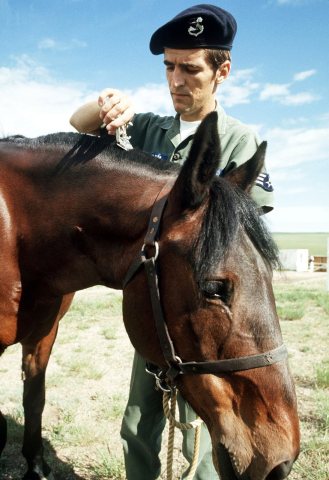 1977
 1983


