WollochetWA
The town, settled in 1891, counts 6,689 residents. Public schools that outperform most of Washington.
Is Wollochet a good place to live?
Much to like here, and you pay for it. Its best grade is for incomes: the median household earns $149K. Schools are a strength too (A): its schools rank ahead of 88% of Washington towns. What counts against it is cost of living (C−) — the typical home is worth about $890K, 7.7 years of the Seattle metro’s $115K median household income. Put together, the subjects come to an A overall, better than 88% of U.S. towns. The ranking puts it 16th of 285 in Washington. Wollochet-Point Fosdick School is on the National Register of Historic Places. CDC estimates put its residents' health ahead of 86% of the country.
Figures: incomes, Census ACS, 2020–24 · schools, state test and graduation results · home values, Zillow · health, CDC PLACES · National Register of Historic Places.
What makes Wollochet stand out
Where Wollochet beats most towns.
99% of working residents leave Wollochet for work
Where Wollochet’s working residents go each day. Line width shows the share.
Census LEHD 2023
How Wollochet grades
Each subject compared with towns across the country (schools within Washington), ordered by how far Wollochet is from typical.
How TownRatings grades towns →
Space Needle and 129 more within 40 miles
Museums, parks, gardens and other places to visit around Wollochet. Close and well known come first.
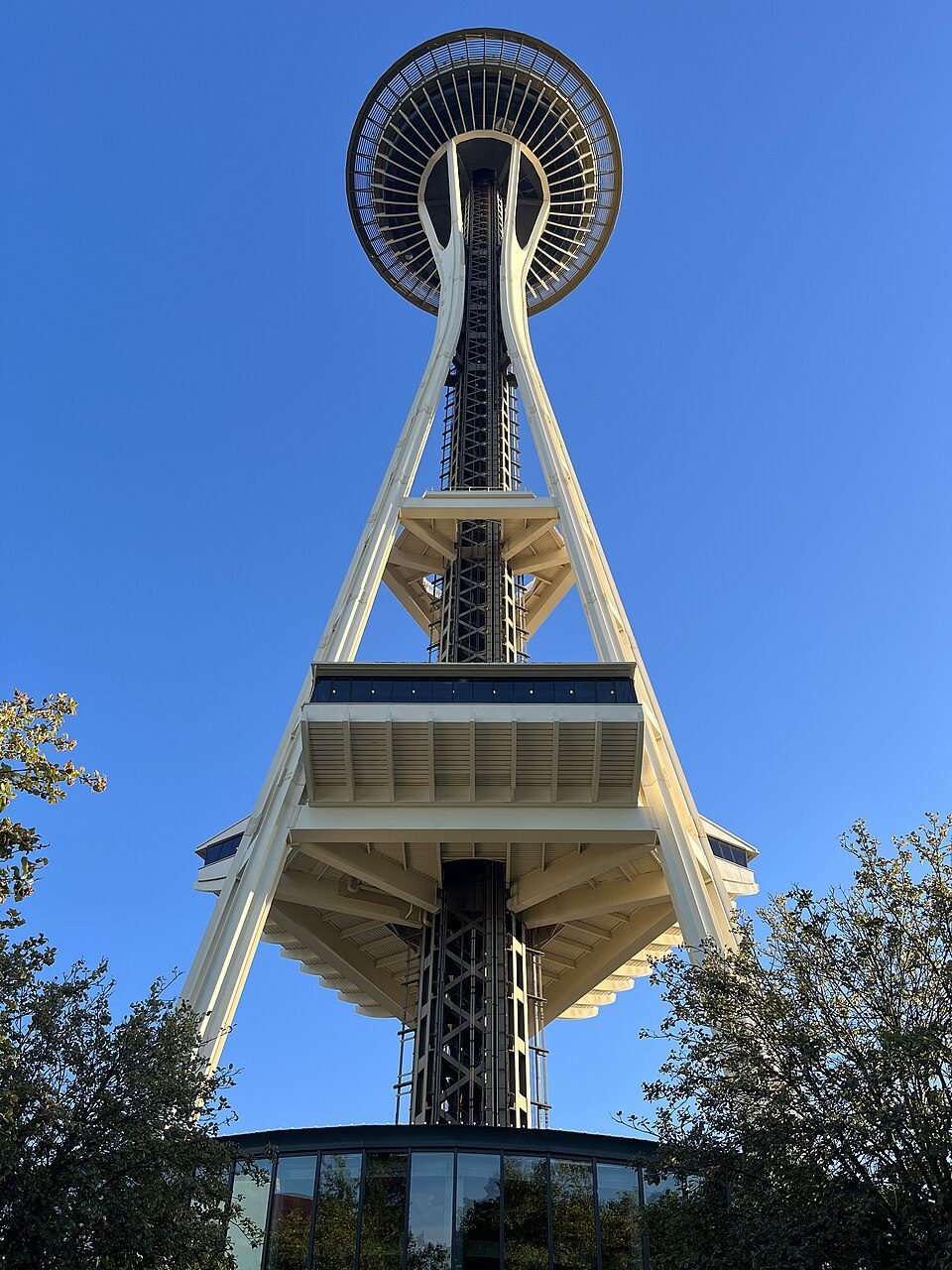 Big draw26 mi LookoutSpace Needle
 Big draw25 mi Stadium & arenaLumen Field
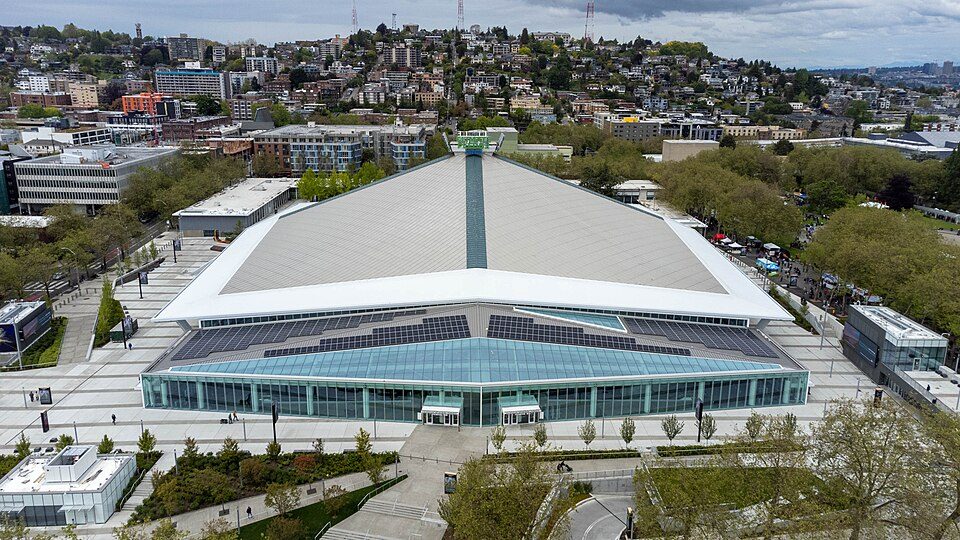 Big draw26 mi Stadium & arenaClimate Pledge Arena
 8 mi Stadium & arenaTacoma Dome
 24 mi Stadium & arenaT-Mobile Park
 Big draw37 mi National ParkOlympic National Park3.6M visitors a year
Photo credits
Space Needle: Another Believer, CC BY-SA 4.0 · Lumen Field: "Smart Destinations", GoSeattleCard.com, and Go Seattle Card Blog, CC BY-SA 2.0 · Climate Pledge Arena: Sea Cow, CC BY-SA 4.0 · Tacoma Dome: Broran28, Public domain · T-Mobile Park: MyName (Cacophony), CC BY-SA 3.0 · Olympic National Park: Wsiegmund, CC BY 2.5


Moving to Wollochet: who provides what
Wollochet is unincorporated, so Pierce County and regional agencies provide most services.
EPA SDWIS (Oct 9, 2026) · HIFLD + EIA-861 2025 · Census 2020 ZCTAs · NCES 2024–25 · registration: vote.gov, updated Sep 30, 2026.
The data
Ordered by what stands out in Wollochet.
Wollochet has cooler summers than nearly all U.S. towns and owes part of its health edge to its incomes, but it has homes that cost more against local pay than most of Washington.
For schools, Wollochet earns an A
One of its 3 schools is below, with the reason it’s listed. The Peninsula School District runs its public schools. The 2 public schools in Wollochet teach 916 students between them.
| School | Level | Students | Letter |
|---|---|---|---|
| Goodman Middle SchoolLargest public middle schoolGrades 6–8 | Grades 6–8 | 519 | – |
NCES · EDFacts · graded within WA on state tests and graduation
For health, Wollochet earns an A
Against the 2,802 U.S. towns with household incomes like Wollochet’s, it is less healthy than 57%: its national edge comes with its incomes.
Among adults in Wollochet, 76% had a checkup this year. 16% of Wollochet adults get no exercise outside work, below both the Washington town median (18%) and the median of U.S. towns (25%). This Washington town does better than the Washington average on 16 of 31 CDC measures and worse on 6.
| Wollochet | Washington towns | U.S. towns | |
|---|---|---|---|
| Smoke cigarettes (CDC PLACES) | 8.5% | 11% | 14% |
| Get no exercise (CDC PLACES) | 16% | 18% | 25% |
| Frequent mental distress (CDC PLACES) | 15% | 17% | 17% |
| Yearly checkup (CDC PLACES) | 76% | 71% | 79% |
| What stands out | Wollochet | WA |
|---|---|---|
| Fewer uninsured adults | 5.1% | 8.4% |
| Fewer adults facing food insecurity | 7% | 10.2% |
| More adults who have had cancer | 11.3% | 7.9% |
CDC PLACES 2025 · modeled estimates for adults · CMS · HRSA
Fewer of Wollochet’s residents live below the poverty line than in the typical Washington or U.S. town
Jobs in Wollochet grew by 289 from 2013 to 2023, reaching 1,290. 22% of Wollochet workers work from home, where Washington’s towns sit at 15% and U.S. towns at 11%. For working residents in the town, the share who work locally is 1.5%. The top destinations are Tacoma (15%), Seattle (13%) and Gig Harbor (11%).
| Wollochet | Washington towns | U.S. towns | |
|---|---|---|---|
| Median household income | $149,000 | $98,000 | $80,000 |
| Work from home | 22% | 15% | 11% |
| Below the poverty line | 1.5% | 7.9% | 9.6% |
| Working residents who work in town | 1.5% | 5% | 8% |
Where working residents work
Census LEHD 2023 · ACS
Conserved land covers 5.6% of Wollochet
The biggest park or preserve is Narrows Park, at 32 acres. Trails total 4.1 miles in 1 park or preserve. The trail density for Wollochet comes to 0.7 miles per square mile.
| Wollochet | Washington towns | U.S. towns | |
|---|---|---|---|
| Miles of trail per square mile | 0.7 miles per square mile | 0.8 | 0.4 |
| Conserved land | 5.6% | 4% | 4.3% |
| Biggest places to walk | Trails | Acres |
|---|---|---|
| 1. Narrows Park | 0.1 mi | 32 |
Trails & parks © OpenStreetMap contributors · Conserved land: USGS PAD-US
Wollochet has mild winters and pleasant summers
July afternoons average 76.9°, cooler than in 97% of U.S. towns; January nights average 36°.
Snow is almost unheard of. For Wollochet, the July high is 77°F.
| Wollochet | Washington towns | U.S. towns | |
|---|---|---|---|
| January low | 36°F | 35°F | 22°F |
| July high | 77°F | 77°F | 85°F |
Typical low → high °F
NOAA U.S. Climate Normals, 1991–2020
The biggest natural risk in Wollochet is earthquakes, at a moderate overall level
FEMA expects more storm and flood damage in Wollochet than in 59% of U.S. communities. Of the losses FEMA expects here, 73% come from earthquakes and 21% from inland flooding. This Washington town has had 5 paid flood insurance claims since 2022.
FEMA flood insurance claims · FEMA National Risk Index · OpenFEMA
Homes in Wollochet sell for about $940K
At 7.7 years of the Seattle metro’s $115K median household income, the typical home costs more against local pay than in 83% of Washington towns; that ratio is one input to its C− for cost of living.
On the market in Wollochet: a median 25 days to sell. The rent at the middle of the market here is $1,915 a month. Sellers in Wollochet got 99.2% of the asking price, typically.
| Wollochet | Washington towns | U.S. towns | |
|---|---|---|---|
| Median rent | $1,915 a month | $1,737 a month | $1,185 a month |
| Households that own their home | 75% | 70% | 73% |
Census ACS, 2020–24 · Zillow Home Value Index · Redfin Data Center
Everything we know about Wollochet
Colleges nearby
10 within 15 miles of the center of Wollochet
About 5 of every 100 Wollochet residents are enrolled in college, about the same as Washington.
About Wollochet
Census-designated place in Pierce County, Washington, United States
Wollochet is located in Pierce County and is a census-designated place community. As of the 2020 census, Wollochet had a population of 6,769. The ZIP Code for Wollochet is 98335.
From Wikipedia, licensed CC BY-SA 4.0 · facts via Wikidata (CC0)
- Area
- 5.8 sq mi
- Elevation
- 151 ft
- Area code
- 253
Wollochet’s neighbors
2 towns share a border with Wollochet.
| Town | WA rank | Overall | Cost | Safety | Schools | Health |
|---|---|---|---|---|---|---|
| Wollochet | #16 | A | C− | — | A | A |
| Gig Harbor | #102 | B | D | C− | A | A |
| Artondale | #54 | B+ | D | — | A | A |
Wollochet and Artondale report no FBI crime data of their own. Compare Wollochet with a neighbor →
Questions about Wollochet
Short answers, built from the data on this page.
Is Wollochet, WA a good place to live?
For most people who can afford it, yes. Wollochet grades A overall, better than 88% of U.S. towns and #16 of 285 in Washington. It grades A for health and A for schools. Cost of living is its weak spot, with a C−.
Is Wollochet, WA expensive?
Yes. The typical home is worth about $890,000, 51% above the Washington typical home. Cost of living, which also weighs rents, property taxes and how many households pay 30% or more of their income for housing, grades C−.