Prior to removal to reservations, there was a village of Walla Walla people located near the present townsite. This site was called Tuushi, meaning "baking salmon on sticks over coals", a name based on a coyote myth. Bands of Palouse, Yakamas, Umatilla, Walla Walla and Wanapum, that used this area were collectively called Nez Perce by Lewis and Clark when they passed through the Walla Walla Valley on their return journey in 1806.
Settlers from the east came to the valley in the early 1850s, but shortly left due to conflicts with the Native people. Homesteaders returned to the valley in 1859.
Nothing in the archives for these yearsWeddings on Main Street, storms, parades, school pictures, the old store. If it’s in your family album, it belongs here.
Founding dates: Wikidata, Wikipedia, the U.S. post office records of Blevins & Helbock (CC0) and the Census. Homes by year built: Census ACS 2020–24. National Register of Historic Places: National Park Service (list of May 22, 2026). Old photos, postcards and papers: Wikimedia Commons, the Library of Congress and other public archives, credited on each item’s page. Maps: U.S. Geological Survey historical topographic maps (via Esri) and Sanborn fire-insurance maps (Library of Congress). History text and census tables: Wikipedia (CC BY-SA 4.0). Places that used to be: USGS Geographic Names Information System (2021). How TownRatings grades history →
From Wikimedia Commons (5), the Library of Congress (7), Wikipedia, U.S. Geological Survey historical maps, U.S. Census counts (via Wikipedia), the US Post Offices dataset (Blevins & Helbock), the USGS Geographic Names Information System and Sanborn fire insurance maps (Library of Congress). Archive images are copied here with their credits and licenses, shown on each photo’s page. Refreshed monthly.


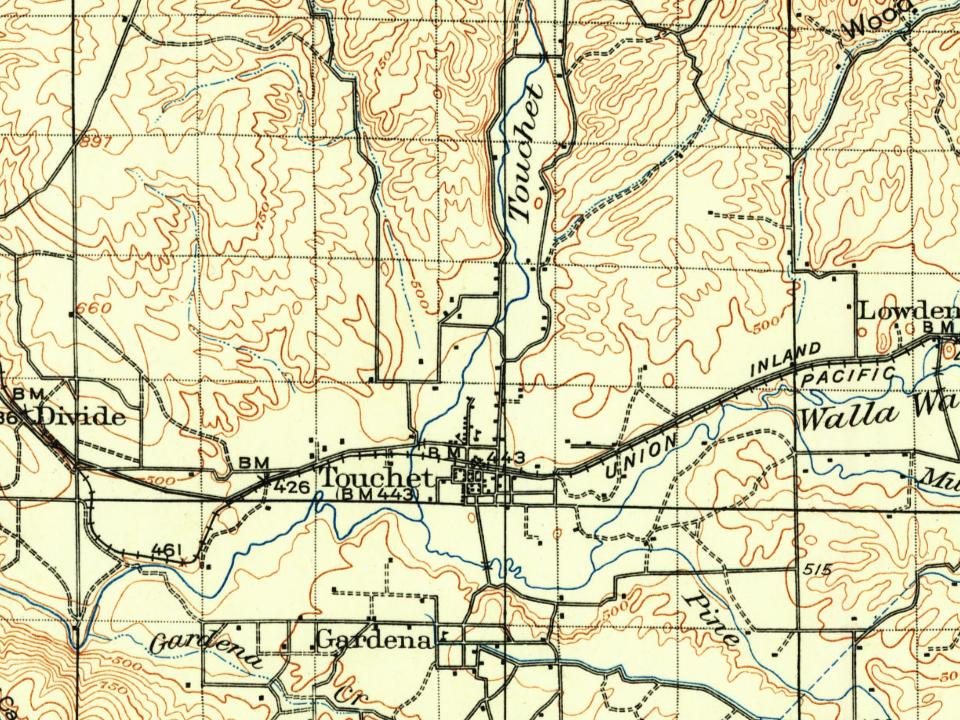
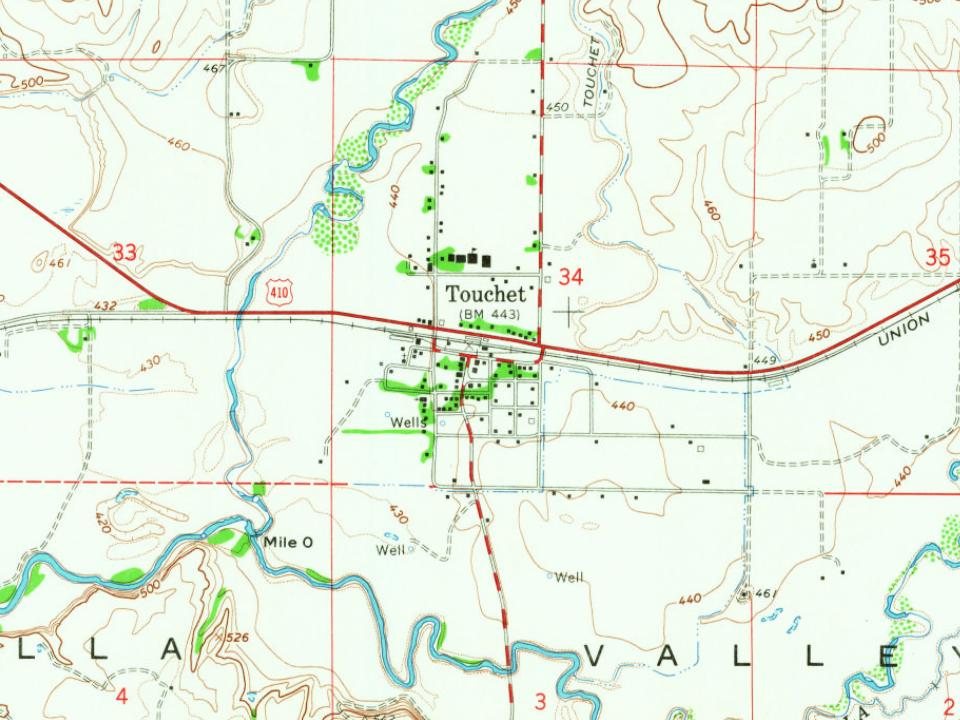

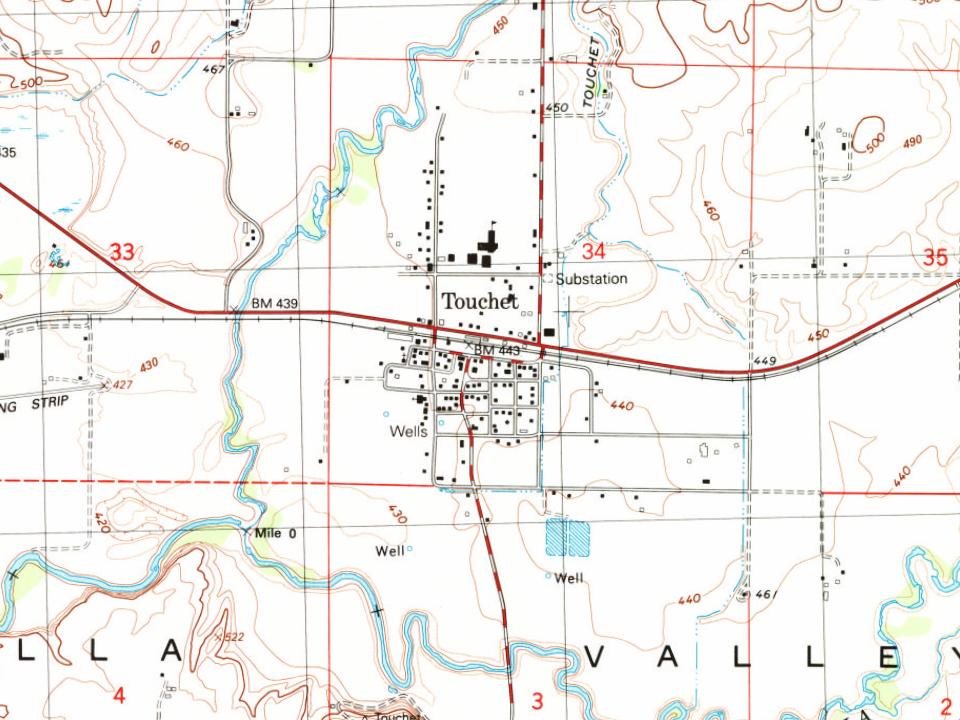

 1941
 1941
 1941
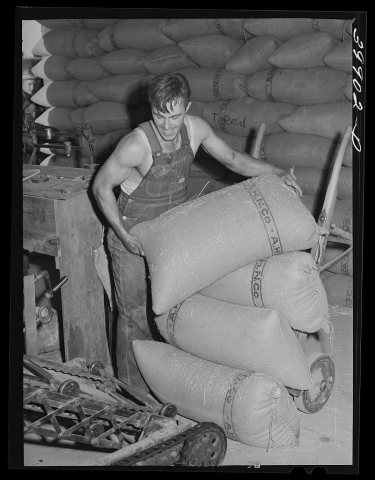 1941
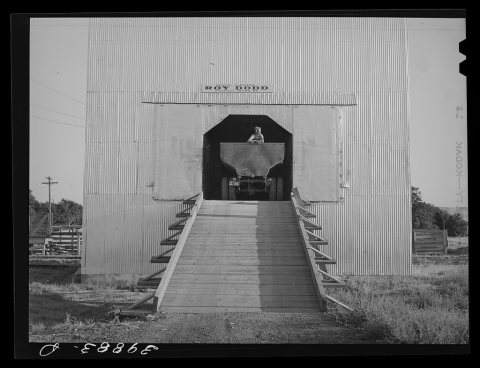 1941
 1941
 2006
 2006
 2006
 2006
 2006


