One weak subject stands out against an otherwise good record. Its best grade is for health (A−): CDC estimates put its residents' health ahead of 83% of the country. It is strong on schools as well: its public schools beat 76% of Washington towns on state tests and graduation. What counts against it is cost of living: the typical home is worth about $676K, 6.5 years of the Bremerton metro’s $104K median household income. Overall, that makes a B+, good for 58th of 285 in Washington. On that grade it does better than 69% of U.S. towns. Doe-Kag-Wats is on the National Register of Historic Places. Indianola’s average commute is 38 minutes, where Washington’s towns sit at 27 minutes and U.S. towns at 25 minutes.
Figures: health, CDC PLACES · schools, state test and graduation results · home values, Zillow · incomes, Census ACS, 2020–24 · National Register of Historic Places.
Indianola Waterfront & Woodland Preserve, at 81 acres with 1.5 miles of trail, is the biggest park or preserve. Across 2 parks and preserves: 5.1 miles of trail. Its trail network density comes in at 0.8 miles per square mile.
Indianola has 147 jobs for its 1,275 working residents: even if every job went to a resident, most would still commute out. The average commute takes 37.9 minutes, against 26.6 across Washington.
Indianola: 21% of workers work remotely from home. For most workers, Indianola is a place to come home to: only 2% work in town. Jobs based in Indianola grew to 147 in 2023, 49 more than in 2013. Half commute less than 12 miles.
Indianola
Washington towns
U.S. towns
Average trip to work
38 minutes
27 minutes
25 minutes
Work from home
21%
15%
11%
Working residents who work in town
2.4%
5%
8%
Median household income
$99,000
$98,000
$80,000
Where working residents work
In Indianola2%
Seattle17%
Poulsbo9%
Bainbridge Island7%
Silverdale5%
12 mi
median commute distance
147
jobs based in Indianola
A commuter town
jobs vs. working residents
A−
Walkability grade: more walkable than 82% of U.S. towns
The Seattle Sand Pt Wsfo weather station, 13 miles away, records that about 2 days a year reach 90°, fewer than in 95% of U.S. towns. July afternoons average 75.5°, cooler than in 98% of U.S. towns; January nights average 35.8°.
Indianola’s midsummer high comes in at 76°F. About 4 inches of snow falls in a winter.
Just over two in five adults 25 and older hold a bachelor’s degree or more in Indianola. Adults 18 to 34 are 17% of residents (24% statewide); adults 35 to 64 are 43% of residents (38% statewide). The age of the median resident for Indianola comes to 45.7 years.
Indianola
Washington towns
U.S. towns
Median age
45.7 years
38.5 years
40.5 years
Under 18
18%
22%
22%
Bachelor’s degree or more, 25+
41%
30%
29%
Aged 65 or older
21%
16%
18%
IndianolaWashingtonUnited States
Ages · share of residents
18%
<1010–1718–2425–3435–4445–5455–6465–7475+
Education · adults 25 and older
No diploma7%
High school18%
Some college26%
Associate’s9%
Bachelor’s27%
Graduate14%
Women and men · all residents
49% women, 51% men
WomenWAU.S.Men
That’s an even split within the survey’s margin of ±2.3 points. Across Washington, 49.6% of residents are women.
The share of households in Indianola who own their home: 82%. The typical home value in the town is about $676,000, up 1.1% in a year, 15% above the Washington typical home. The town’s median rent is $1,443 a month.
FEMA puts 46% of Indianola’s expected hazard losses down to earthquakes, and 25% to tsunamis. Expected storm and flood damage is higher than in 60% of U.S. communities. Households here have drawn federal disaster aid once, in 2007.
Indianola (Lushootseed: dəxʷsisaaʔ lit. "dizzy") is a census-designated place (CDP) in Kitsap County, Washington, United States, located on the north shore of Port Madison on the Port Madison Indian Reservation, home of the Suquamish Indian Tribe. The population was 3,664 at the 2020 census. It was originally established as a summer community and was a stop for Mosquito Fleet ferries until the 1950s.
By most measures, yes. Indianola grades B+ overall, better than 69% of U.S. towns and #58 of 285 in Washington. It grades A− for health and A− for schools.
Is Indianola, WA expensive?
Cost of living, which also weighs rents, property taxes and how many households pay 30% or more of their income for housing, grades C.
Indianola is in here
Say something about Indianola.
Ask a question, answer one, post a photo or an event. Free, and the parts only a neighbor would know are the parts worth reading.


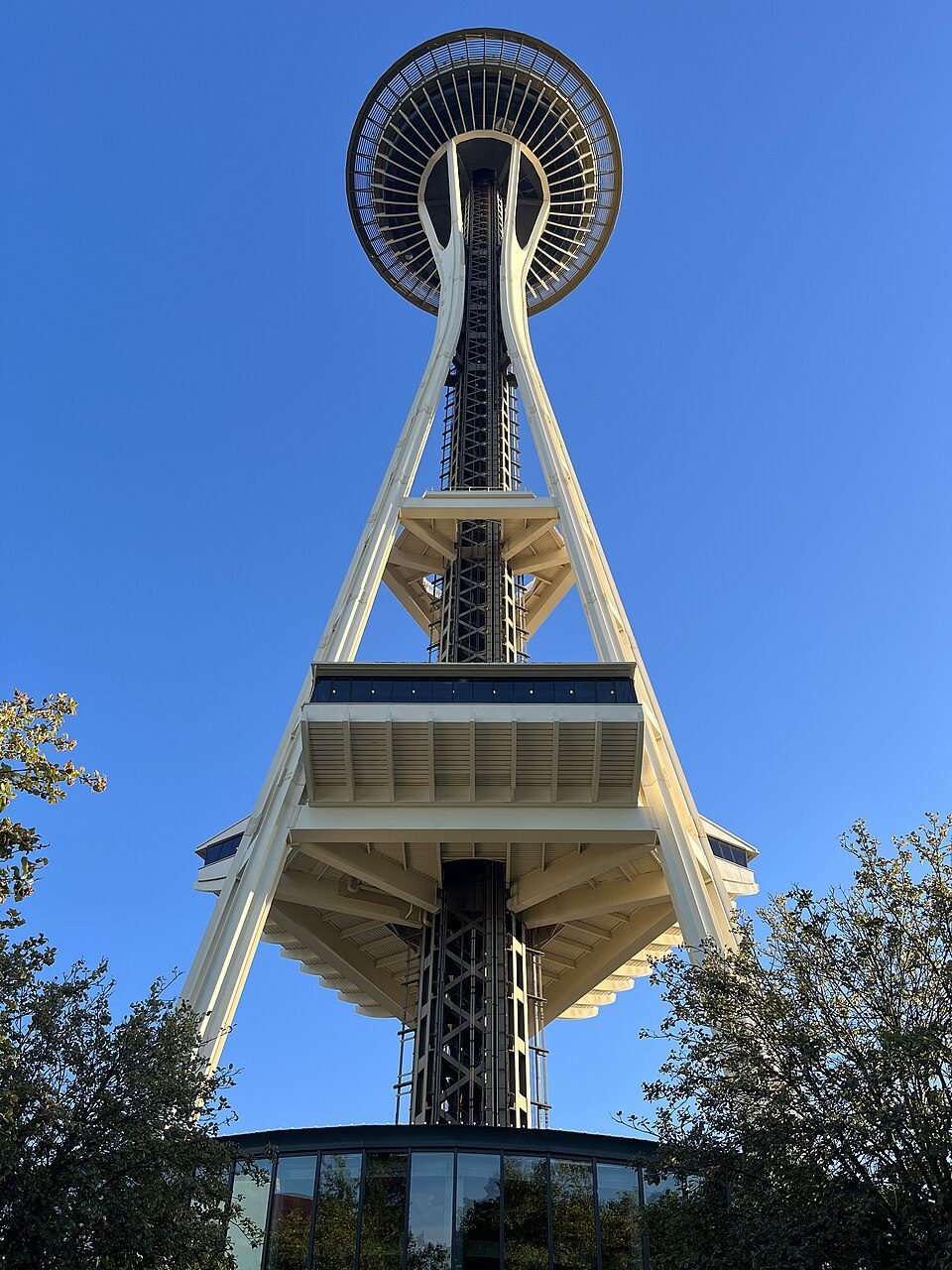
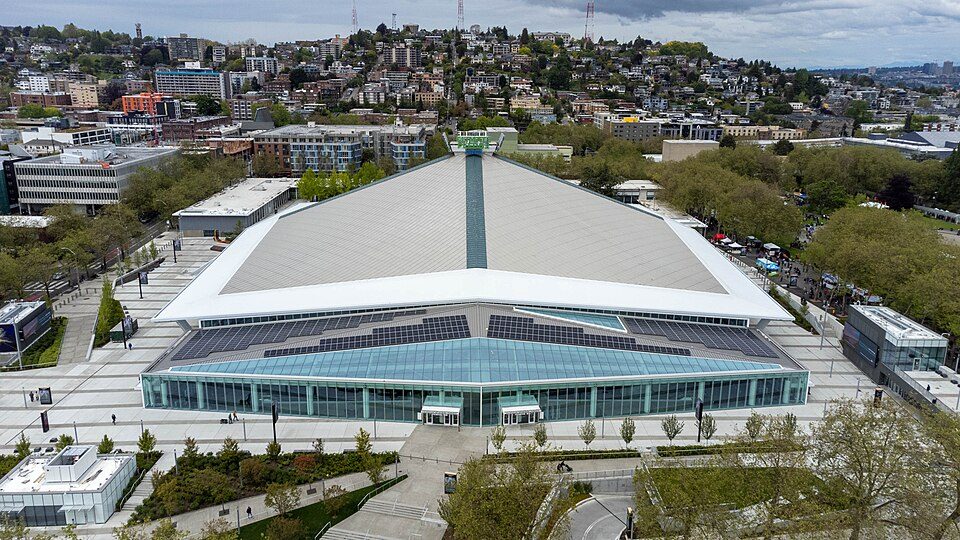

 14 mi
 13 mi
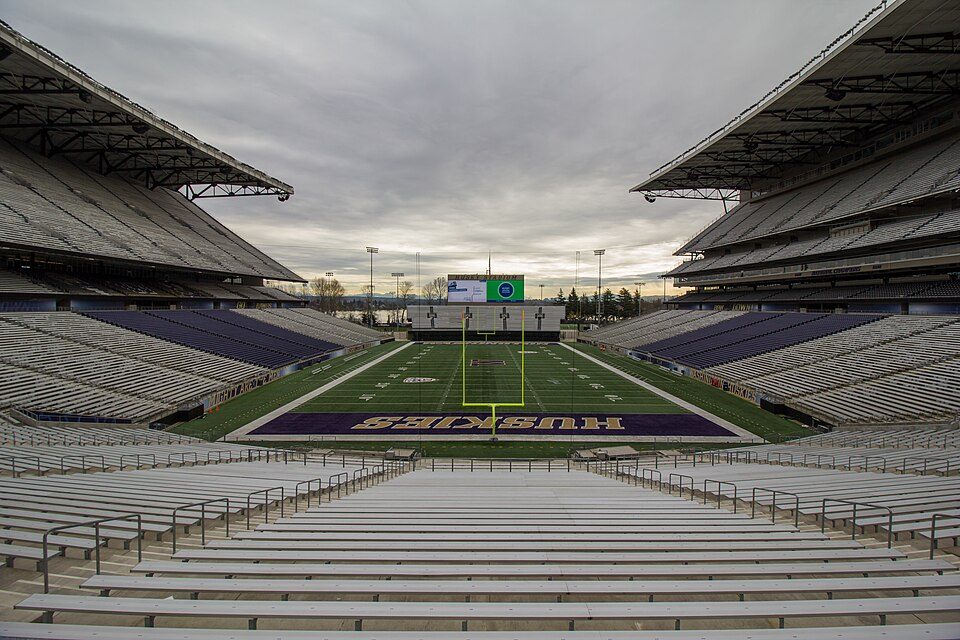 12 mi


