Fort Hunt’s post office opened in 1905, and 5 of its places are on the National Register
More historic than 32% of U.S. towns · #131 of 253 in Virginia. What drives it
Most of Fort Hunt was built recently: 1% of its homes predate 1940 and the median home dates from 1964. 5 places in town are on the National Register, among them three historic districts with 546 buildings between them. Below: 2 old photos and papers, maps from 1913 on, and the census since 2000.
The Fort Hunt post office opened in 1905, the earliest record of the town by name. Two smaller post offices, Collingswood (1870) and Arcturus (1893), opened inside today’s town and later closed.
First census: 12,923 in 20002020 census: 17,231121 years
How historic is Fort Hunt?
C
More historic than 32% of U.S. towns, on its age, its old homes and the National Register.
Founding year: the first Fort Hunt post office (Blevins & Helbock, CC0).The full story ↓
History grade
What drives Fort Hunt’s History grade
On its age, its old homes and the National Register, Fort Hunt is more historic than 32% of U.S. towns, #131 of 253 in Virginia. Its National Register listings hold the grade up; its age pulls it down.
C
HistoryA character grade: shown, never part of Fort Hunt’s overall grade.
Virginia towns list more on the Register than most of the country (a typical Virginia town has 3.6 per 10,000 residents, the U.S. 2.4), so Fort Hunt’s 328 sits above most of its state (85% of Virginia towns have fewer) while its 548 historic buildings outnumber those of 97% of U.S. towns.
How sure. Graded on any two of the three inputs instead, the letter would range from D to B. The pre-1940 share (±0.8 points) is firm at this size. The founding year is the first post office, not a stated founding date.
Founding year: the first post office (other dates in Quick answers). Homes: Census ACS 2020–24. National Register: National Park Service, May 2026 list; each listing counted once (boundary changes and added documentation belong to their listing), and a historic district counts its contributing buildings. How TownRatings grades history →
What stands out about Fort Hunt’s past
Read from the archive, the National Register and the record. The page puts what stands out first.
National Park Service, National Register of Historic Places. Photos from Wikimedia Commons, credited on each place’s page.
Places that used to be
Lost post offices, old corners, places now gone and burying grounds
Fort Hunt had its own post office from 1905 to 1923. Two other post offices opened and closed inside today’s town.
Collingswood
1870–1884
Arcturus
1893–1902
Fort Hunt
1905–1923
18701950today
Hamlets and corners on the map
ArcturusCollingwoodHollin HillsHollindaleHunterMarlin ForestNorth Mount VernonRiver Bend EstatesRiverside GardensSnowdenStratford LandingStratford on the PotomacVillamayWaynewoodWellingtonWellington HeightsWhite Oaks
Gone or out of use
Battery Mount VernonmilitaryBattery PortermilitaryBattery RobinsonmilitaryBattery SatermilitaryFort Hunt High SchoolschoolHollin Hall SchoolschoolHollin Hall SchoolbuildingStephen Foster Schoolschool
2cemeteries and burying grounds inside Fort Hunt
Bethlehem Baptist ChurchColeman
US Post Offices dataset (Blevins & Helbock, CC0). Places and cemeteries from the USGS Geographic Names Information System (2021).
Help out
Start Fort Hunt’s collection
The first neighbors to add old photos shape how Fort Hunt’s history is told.
Decades since 1900 with photos
00s10s20s30s40s50s60s70s80s90s
2 of 10 decades. The empty ones are waiting for someone’s album.
The site of present-day Fort Hunt Park was used as an asset for the United States military beginning in the Spanish–American War. The fort had been completed on land that used to belong to the River Farm plantation of George Washington. The fort was used to complement Fort Washington across the river in Maryland, but it was not involved in an actual battle during the Spanish–American War.
During World War II, the fort was used as an interrogation center called P. O. Box 1142 where captive German officers were kept and questioned. Fort Hunt is the site of the death of Lieutenant Commander Werner Henke, the highest-ranking German officer to be shot while in American captivity during World War II.
Nothing in the archives for these yearsWeddings on Main Street, storms, parades, school pictures, the old store. If it’s in your family album, it belongs here.
The Fort Hunt post office opened in 1905, the earliest record of the town by name (U.S. post office records).
How does Fort Hunt rank for history?
Fort Hunt is more historic than 32% of U.S. towns, #131 of 253 in Virginia. The History grade combines the town’s founding era, the share of homes built before 1940 and its National Register listings. It’s a character grade, so it isn’t part of the overall grade. How it works.
What is on the National Register in Fort Hunt?
5 listings: 2 buildings, among them the Lyceum, The (listed 1969, the first), and 3 historic districts, the Fort Hunt, the Tauxemont Historic District and the Hollin Hills Historic District, with 546 contributing buildings. 548 historic buildings in all.
How old are the homes in Fort Hunt?
1% of Fort Hunt’s homes were built before 1940 (Census estimate), against a typical 1.9% for a Virginia town; the median home was built in 1964.
Founding dates: Wikidata, Wikipedia, the U.S. post office records of Blevins & Helbock (CC0) and the Census. Homes by year built: Census ACS 2020–24. National Register of Historic Places: National Park Service (list of May 22, 2026). Old photos, postcards and papers: Wikimedia Commons, the Library of Congress and other public archives, credited on each item’s page. Maps: U.S. Geological Survey historical topographic maps (via Esri) and Sanborn fire-insurance maps (Library of Congress). History text and census tables: Wikipedia (CC BY-SA 4.0). Places that used to be: USGS Geographic Names Information System (2021).
From Wikimedia Commons (23), the Library of Congress (1), the National Register of Historic Places (5), Wikipedia, U.S. Geological Survey historical maps, U.S. Census counts (via Wikipedia), the US Post Offices dataset (Blevins & Helbock) and the USGS Geographic Names Information System. Archive images are copied here with their credits and licenses, shown on each photo’s page. Refreshed monthly.


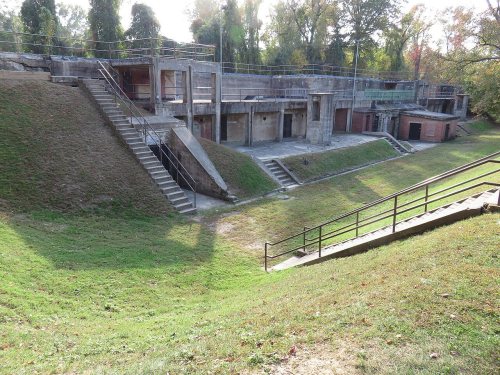
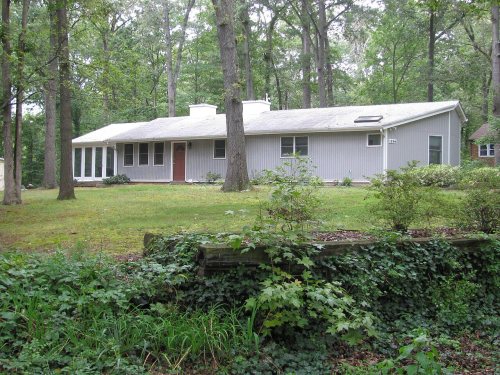


 2009
 2009
 2009
 2009
 2009
 2009
 2009
 2009
 2009
 2009
 2009
 2009
 2009
 2009
 2009
 2009
 2009
 2009
 2009
 2009
 2009
 2008


