Morgan’s post office opened in 1864, and 16% of its homes were built before 1940
More historic than 76% of U.S. towns · #8 of 119 in Utah. What drives it
4 places in town are on the National Register, among them a historic district with 287 buildings. Below: 3 old photos and papers, maps from 1913 on, and the census since 1870.
The Morgan post office opened in 1864, the earliest record of the town by name. Wikidata gives 1868. Another post office, Weber (1864), opened inside today’s city and later closed.
First census: 1,972 in 18702020 census: 4,071162 years
How historic is Morgan?
A−
More historic than 76% of U.S. towns, on its age, its old homes and the National Register.
Founding year: the first Morgan post office (Blevins & Helbock, CC0). Wikidata: 1868.The full story ↓
History grade
What drives Morgan’s History grade
On its age, its old homes and the National Register, Morgan is more historic than 76% of U.S. towns, #8 of 119 in Utah. Its National Register listings hold the grade up; its age pulls it down.
A−
HistoryA character grade: shown, never part of Morgan’s overall grade.
Utah towns list more on the Register than most of the country (a typical Utah town has 3.0 per 10,000 residents, the U.S. 2.4), so Morgan’s 658 sits above most of its state (99% of Utah towns have fewer) while its 290 historic buildings outnumber those of 95% of U.S. towns.
How sure. Graded on any two of the three inputs instead, the letter would range from B− to A. The pre-1940 share is a Census survey estimate (±7.3 points). The founding year is the first post office, not a stated founding date; Wikidata’s 1868 falls in the same era, so the grade doesn’t depend on which one is used.
Founding year: the first post office (other dates in Quick answers). Homes: Census ACS 2020–24. National Register: National Park Service, May 2026 list; each listing counted once (boundary changes and added documentation belong to their listing), and a historic district counts its contributing buildings. How TownRatings grades history →
What stands out about Morgan’s past
Read from the archive, the National Register and the record. The page puts what stands out first.
Morgan's history dates back to around 1861, when North Morgan was settled (it was originally called Mount Joy). The community was named for Jedediah Morgan Grant, an apostle for The Church of Jesus Christ of Latter Day Saints, who helped settle the Morgan Valley and build the first road through Weber Canyon. Eventually, in 1868, the settlements of North Morgan and South Morgan were combined to form the only incorporated city in Morgan County. When the Union Pacific Railroad built tracks through Weber Canyon in 1868-1869, it put Morgan on the map. At one point, it was said Morgan was the "only incorporated city on the Union Pacific line between Ogden and Omaha, Nebraska."
Nothing in the archives for these yearsWeddings on Main Street, storms, parades, school pictures, the old store. If it’s in your family album, it belongs here.
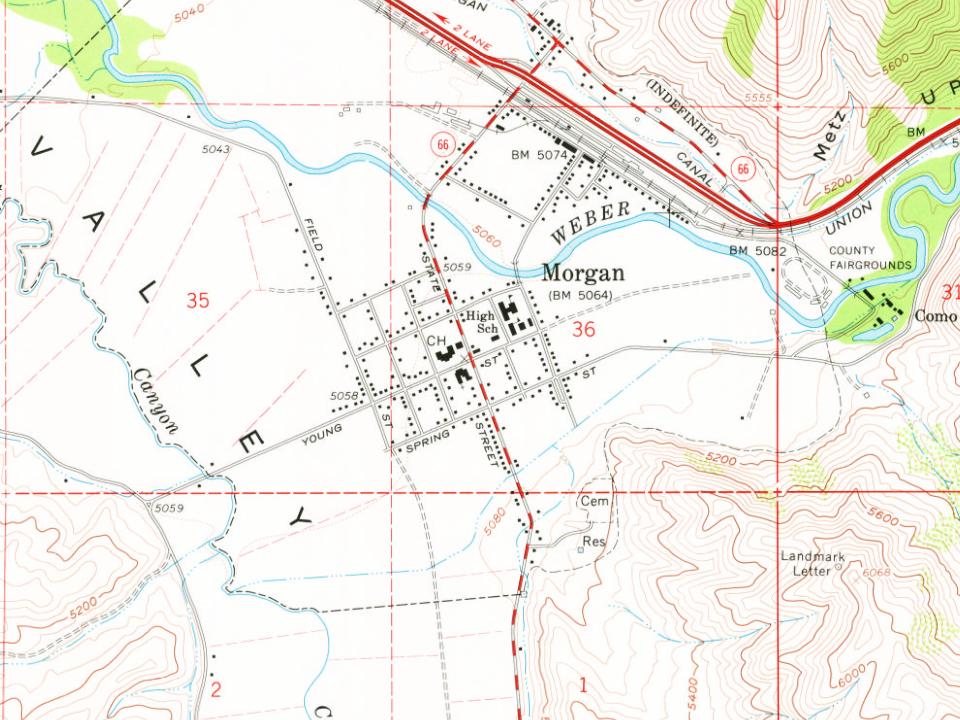
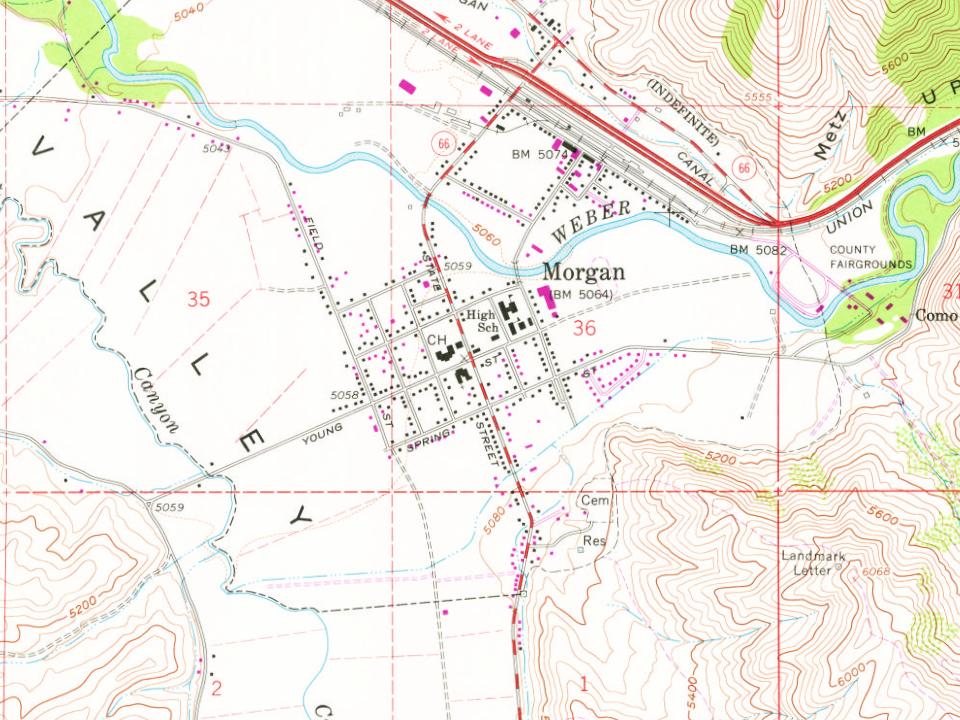
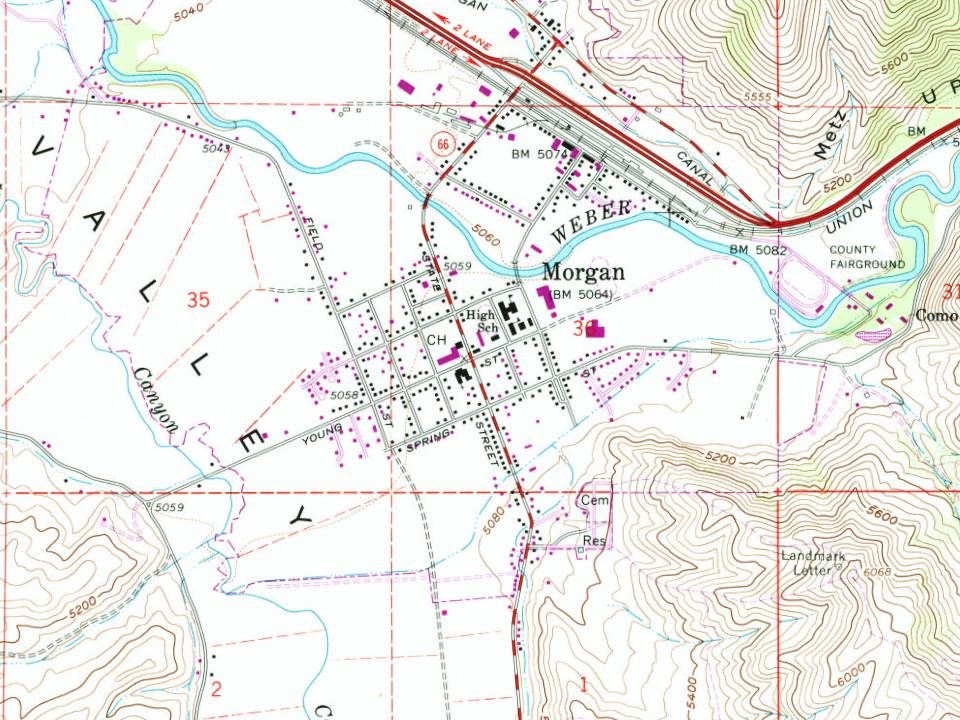
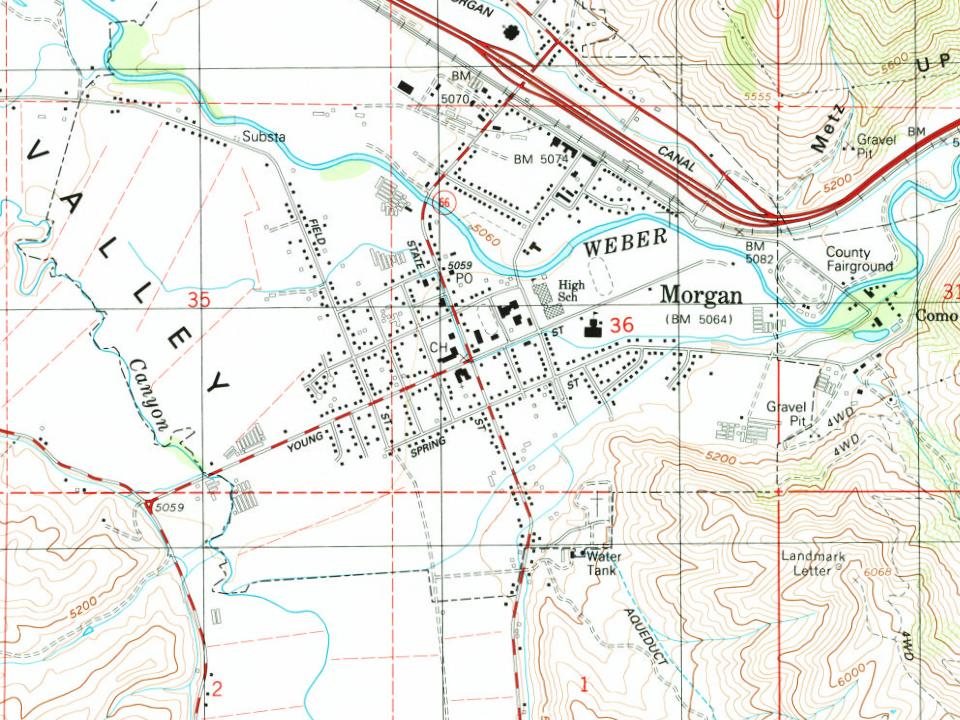
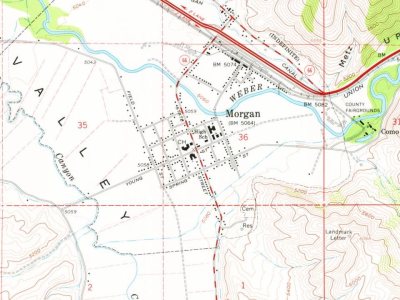
Every edition of the U.S. Geological Survey’s map of Morgan. Tap a year, or press play to watch the town change.
1961Morgan sheet · 1:24,000
U.S. Geological Survey historical topographic maps (public domain), via Esri’s collection of the scans. The red ring marks the center of Morgan.
Every building
Morgan, building by building, 1913–1929
Fire insurance maps drew every building, what it was made of and what it was used for, so insurers could price the risk of fire. Pick a year, then a sheet.
1913Sheet 1 of 1
Edition
Sheets
BrickWoodStone
Sanborn Map Company, via the Library of Congress. Editions published in 1930 or earlier, which are in the public domain.
Then & now
Stand where they stood
No then-and-now pairs yet. Take a photo from the same spot as an old one and they appear here side by side.
Retake this viewSpoorwegbrug en -tunnel nabij Morgan, Utah East End Tunnel No.3 (titel op object) Scenery of the Union Pacific Railroad…, 1868
Find the spot, match the angle, and add your photo. It becomes the first then-and-now pair on Morgan’s page.
Morgan’s post office has been open since 1864. Another post office, Weber, opened and closed inside today’s town.
Morgan
1864–today
Weber
1864–1868
18601940today
2cemeteries and burying grounds inside Morgan
North MorganSouth Morgan
US Post Offices dataset (Blevins & Helbock, CC0). Places and cemeteries from the USGS Geographic Names Information System (2021).
Questions about Morgan’s history
What year was Morgan founded?
The Morgan post office opened in 1864, the earliest record of the town by name (U.S. post office records). Wikidata gives 1868.
How does Morgan rank for history?
Morgan is more historic than 76% of U.S. towns, #8 of 119 in Utah. The History grade combines the town’s founding era, the share of homes built before 1940 and its National Register listings. It’s a character grade, so it isn’t part of the overall grade. How it works.
What is on the National Register in Morgan?
4 listings: 3 buildings, among them the Daniel Heiner House (listed 1978, the first), and 1 historic district, the Morgan Historic District, with 287 contributing buildings. 290 historic buildings in all.
How old are the homes in Morgan?
16% of Morgan’s homes were built before 1940 (Census estimate, ±7.3 points), against a typical 2.8% for an Utah town; the median home was built in 1993.
Founding dates: Wikidata, Wikipedia, the U.S. post office records of Blevins & Helbock (CC0) and the Census. Homes by year built: Census ACS 2020–24. National Register of Historic Places: National Park Service (list of May 22, 2026). Old photos, postcards and papers: Wikimedia Commons, the Library of Congress and other public archives, credited on each item’s page. Maps: U.S. Geological Survey historical topographic maps (via Esri) and Sanborn fire-insurance maps (Library of Congress). History text and census tables: Wikipedia (CC BY-SA 4.0). Places that used to be: USGS Geographic Names Information System (2021).
From Wikimedia Commons (9), Wikidata (3), the National Register of Historic Places (4), Wikipedia, U.S. Geological Survey historical maps, U.S. Census counts (via Wikipedia), the US Post Offices dataset (Blevins & Helbock), the USGS Geographic Names Information System and Sanborn fire insurance maps (Library of Congress). Archive images are copied here with their credits and licenses, shown on each photo’s page. Refreshed monthly.


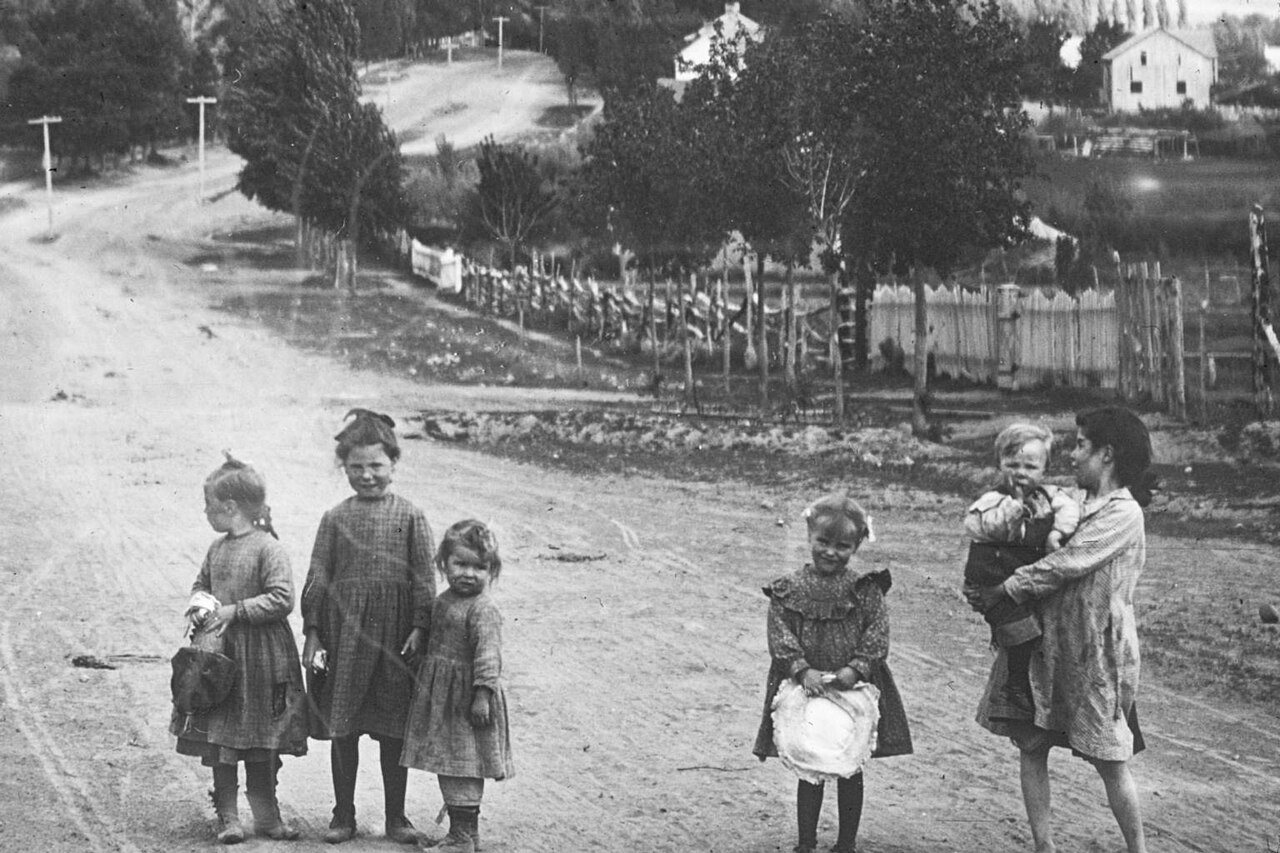


 1905
 2022
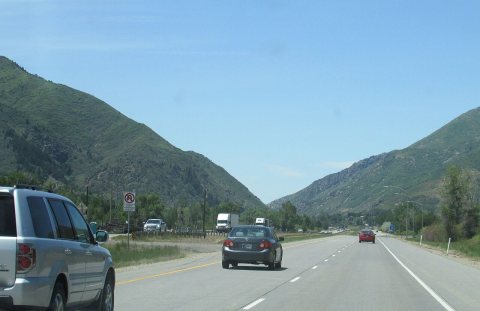 2022
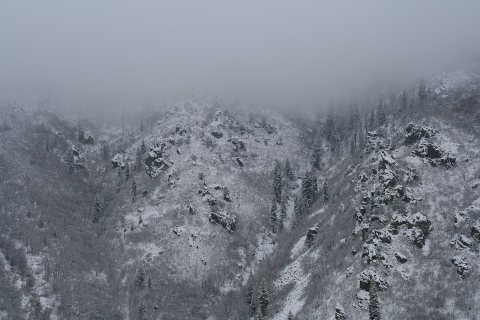 2012
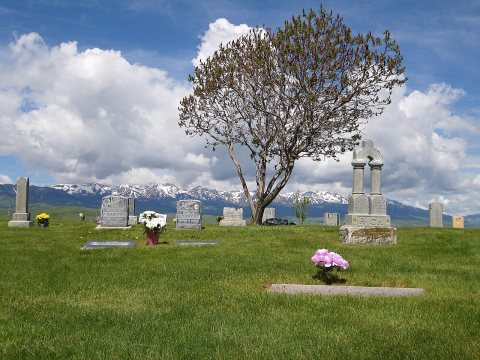 2009
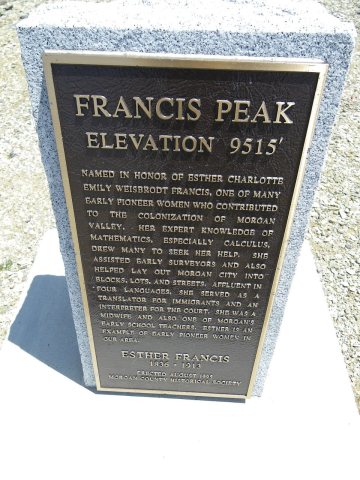 2009
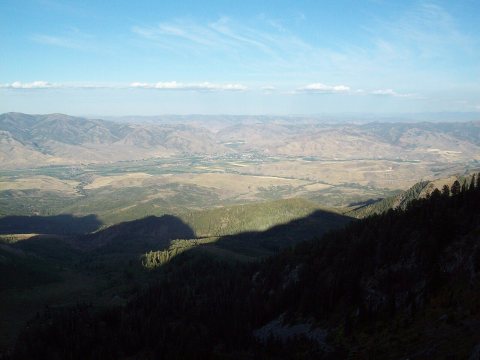 2009