Shady HollowTX
5,709 people live in this town in Texas.
Is Shady Hollow a good place to live?
Where it does best is incomes: the median household earns $170K. Shady Hollow grades B overall and ranks 142nd of 640 in Texas. It comes out better than 57% of U.S. towns. Health is a strength too (A+): it is healthier than 96% of U.S. towns. The drawback is cost of living: the typical home is worth about $756K, 7.5 years of the Austin metro’s $100K median household income. Walkability is weaker too. Most errands need a car: it is less walkable than 73% of U.S. towns. Only 65 of Texas’ 1,000 towns score higher on the outdoors.
Figures: incomes, Census ACS, 2020–24 · health, CDC PLACES · home values, Zillow · USGS PAD-US.
1 miles of trails in Shady Hollow
5.2% of the town is conserved land, across 5 parks and preserves.
How Shady Hollow grades
Each subject compared with towns across the country (schools within Texas), ordered by how far Shady Hollow is from typical.
How TownRatings grades towns →
Darrell K Royal–Texas Memorial Stadium and 44 more within 40 miles
Museums, parks, gardens and other places to visit around Shady Hollow. Close and well known come first.
 Big draw11 mi Stadium & arenaDarrell K Royal–Texas Memorial Stadium
 18 mi CaveJacob's Well (Texas)
 11 mi Stadium & arenaMoody Center
 11 mi LakeLady Bird Lake
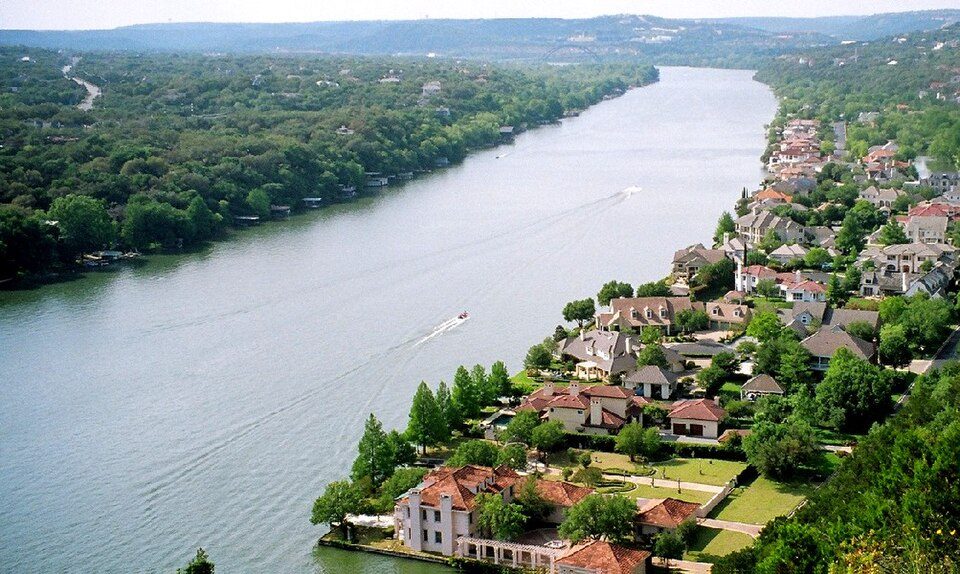 10 mi LakeLake Austin
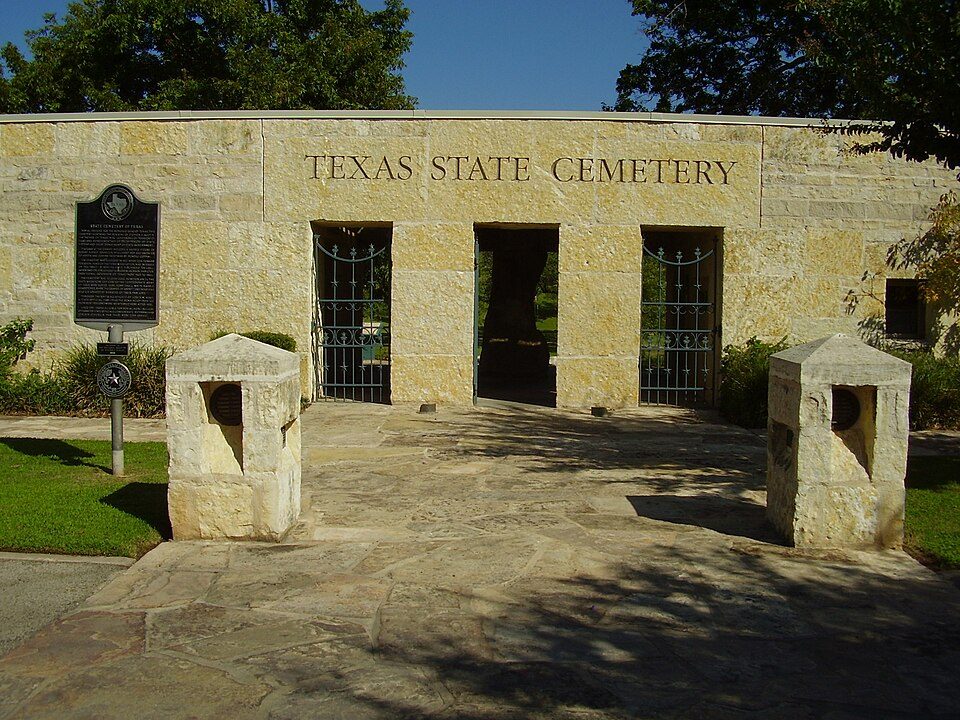 11 mi LandmarkTexas State Cemetery
Photo credits
Darrell K Royal–Texas Memorial Stadium: Brint03, CC BY-SA 3.0 · Jacob's Well (Texas): Larry D. Moore, CC BY 4.0 · Moody Center: Larry D. Moore, CC BY 4.0 · Lady Bird Lake: Arvindn on en.wikipedia, CC BY-SA 3.0 · Lake Austin: Larry D. Moore, CC BY 4.0 · Texas State Cemetery: WhisperToMe, Public domain


Moving to Shady Hollow: who provides what
Shady Hollow is unincorporated, so Travis County and regional agencies provide most services.
EPA SDWIS (Oct 9, 2026) · HIFLD + EIA-861 2025 · Census 2020 ZCTAs · NCES 2024–25 · registration: vote.gov, updated Nov 18, 2024.
The data
Ordered by what stands out in Shady Hollow.
Shady Hollow has less food insecurity than most of Texas and has more 90° days than nearly all U.S. towns, but it has homes that cost more against local pay than most of Texas.
Compared with most of Texas and the rest of the country, fewer of Shady Hollow’s adults sleep under 7 hours
Its widest gap with Texas is food insecurity: 6.4% of its 3,698 adults worry about having enough food, against 19.3% statewide. Against the 1,675 U.S. towns with household incomes like Shady Hollow’s, it is healthier than 67%, a smaller edge than it has nationally: part of it comes with its incomes.
Among adults in Shady Hollow, 10% have diabetes. The town beats the Texas average on 23 of 31 CDC measures and trails it on 3. 13% of adults in Shady Hollow report frequent mental distress; 16% get no exercise outside work.
| Shady Hollow | Texas towns | U.S. towns | |
|---|---|---|---|
| Sleep under 7 hours (CDC PLACES) | 28% | 39% | 36% |
| Frequent mental distress (CDC PLACES) | 13% | 18% | 17% |
| Get no exercise (CDC PLACES) | 16% | 30% | 25% |
| Smoke cigarettes (CDC PLACES) | 7.4% | 14% | 14% |
| What stands out | Shady Hollow | TX |
|---|---|---|
| Fewer adults facing food insecurity | 6.4% | 19.3% |
| Fewer adults facing housing insecurity | 6.4% | 16.4% |
| More adults who have had cancer | 9.7% | 6.1% |
CDC PLACES 2025 · modeled estimates for adults · CMS · HRSA
Shady Hollow’s schools rank ahead of 52% of Texas districts
Austin ISD runs its public schools. Its one school is below. Shady Hollow’s only public school teaches 785 students.
| School | Level | Students | Letter |
|---|---|---|---|
| Bailey MiddleLargest public middle schoolGrades 6–8 | Grades 6–8 | 785 | B− |
NCES · EDFacts · graded within TX on state tests and graduation
Conservation land takes up 5.2% of Shady Hollow
The biggest park or preserve is Shady Hollow West Nature Preserve, at 24 acres. Walkers can cover 1.4 miles of trail in 5 parks and preserves. The concentration of trails for Shady Hollow comes to 0.6 miles per square mile, above the Texas town median (0.3) and near the median of U.S. towns (0.4).
| Shady Hollow | Texas towns | U.S. towns | |
|---|---|---|---|
| Miles of trail per square mile | 0.6 miles per square mile | 0.3 | 0.4 |
| Conserved land | 5.2% | 1.9% | 4.3% |
| Biggest places to walk | Trails | Acres |
|---|---|---|
| 1. Shady Hollow West Nature Preserve | 0.3 mi | 24 |
| 2. David C. Ellis Community Center | 0.3 mi | 19 |
| 3. Gatling Gun Park | 0.3 mi | 8 |
Trails & parks © OpenStreetMap contributors · Conserved land: USGS PAD-US
About two in three of Shady Hollow’s working residents commute to Austin
Shady Hollow has 357 jobs for its 2,159 working residents: even if every job went to a resident, most would still commute out. 38.4% of workers work from home, against 14.4% across Texas.
Most people who work leave Shady Hollow to do it: just 1% work in town. The average trip to work for Shady Hollow comes to 29 minutes, above both Texas’ towns (25 minutes) and U.S. towns (25 minutes). For residents in the town, the share who live below the poverty line is 5.5%. Jobs based in Shady Hollow grew to 357 in 2023, 108 more than in 2013.
| Shady Hollow | Texas towns | U.S. towns | |
|---|---|---|---|
| Median household income | $170,000 | $69,000 | $80,000 |
| Below the poverty line | 5.5% | 12% | 9.6% |
| Average trip to work | 29 minutes | 25 minutes | 25 minutes |
| Working residents who work in town | 0.7% | 8.3% | 8% |
Where working residents work
Census LEHD 2023 · ACS
Shady Hollow has mild winters and hot summers
The Dripping Springs 6 E weather station, 8 miles away, records that about 106 days a year reach 90°, more than in 96% of U.S. towns. July afternoons average 95.6°, hotter than in 97% of U.S. towns; January nights average 38.7°.
Shady Hollow’s peak summer temperature comes in at 96°F. Snow is a rarity.
| Shady Hollow | Texas towns | U.S. towns | |
|---|---|---|---|
| July high | 96°F | 95°F | 85°F |
| January low | 39°F | 37°F | 22°F |
Typical low → high °F
NOAA U.S. Climate Normals, 1991–2020
Natural hazards: high risk in Shady Hollow, mostly inland flooding
Of the losses FEMA expects in Shady Hollow, 65% come from inland flooding and 20% from tornadoes. On expected storm and flood damage, Shady Hollow sits above 63% of U.S. communities.
FEMA National Risk Index · OpenFEMA
Homes in Shady Hollow sell for about $629K
At 7.5 years of the Austin metro’s $100K median household income, the typical home costs more against local pay than in 95% of Texas towns; that ratio is one input to its C− for cost of living. The median property tax bill is $7,140, against $4,232 across Texas, another input to its cost-of-living grade.
In Shady Hollow, 95% of households are owner-occupiers. Sellers in Shady Hollow got 98% of the asking price, typically. Homes sold in Shady Hollow spent a median 58 days on the market.
Census ACS, 2020–24 · Zillow Home Value Index · Redfin Data Center
Everything we know about Shady Hollow
Colleges nearby
8 within 15 miles of the center of Shady Hollow
About 2 of every 100 Shady Hollow residents are enrolled in college, against 6 across Texas.
99% of working residents leave Shady Hollow for work
Where Shady Hollow’s working residents go each day. Line width shows the share.
Census LEHD 2023
About Shady Hollow
CDP in Texas, United States
Shady Hollow is a census-designated place (CDP) in southwestern Travis County, Texas, United States, and is partially in the City of Austin. It is located ten miles (16 km) southwest of Downtown Austin, near the Travis/Hays county line. The population was 4,822 at the 2020 census.
From Wikipedia, licensed CC BY-SA 4.0 · facts via Wikidata (CC0)
- Area
- 2.1 sq mi
- Elevation
- 751 ft
Questions about Shady Hollow
Short answers, built from the data on this page.
Is Shady Hollow, TX a good place to live?
For most people who can afford it, yes. Shady Hollow grades B overall, better than 57% of U.S. towns and #142 of 640 in Texas. It grades A+ for health and B− for schools. Cost of living is its weak spot, with a C−.
Is Shady Hollow, TX expensive?
Yes. The typical home is worth about $756,000, 155% above the Texas typical home. Cost of living, which also weighs rents, property taxes and how many households pay 30% or more of their income for housing, grades C−.