Most of Jamestown was built recently: 3% of its homes predate 1940 and the median home dates from 1982. Below: 1 old photo or paper, maps from 1954 on, and the census since 1880.
Founding year: Wikidata. First post office: 1827.The full story ↓
History grade
What drives Jamestown’s History grade
On its age, its old homes and the National Register, Jamestown is more historic than 59% of U.S. towns. Its age holds the grade up; its share of homes from before 1940 pulls it down.
B
HistoryA character grade: shown, never part of Jamestown’s overall grade.
Tennessee towns list more on the Register than most of the country (a typical Tennessee town has 6.1 per 10,000 residents, the U.S. 2.4), so Jamestown’s 17.9 sits above most of its state (71% of Tennessee towns have fewer) while its 4 historic buildings outnumber those of 68% of U.S. towns.
How sure. Graded on any two of the three inputs instead, the letter would range from C+ to A−. The pre-1940 share is a Census survey estimate (±3.1 points). Two sources give 1823.
Founding year: Wikidata (other dates in Quick answers). Homes: Census ACS 2020–24. National Register: National Park Service, May 2026 list; each listing counted once (boundary changes and added documentation belong to their listing), and a historic district counts its contributing buildings. How TownRatings grades history →
What stands out about Jamestown’s past
Read from the archive, the National Register and the record. The page puts what stands out first.
Jamestown was established in 1823 as a county seat for Fentress County. It was incorporated as a city in 1837. Both Fentress County and Jamestown are named for prominent local politician James Fentress (1763–1843), who made the appeal for the new county to be carved out of Overton and Morgan counties.
Passages that mention Jamestown, cut from the printed page as they were published.
History of Fentress County, Tennessee1920 · page 12Read the page →
Read the text
by John M. Clemons, one of the commissioners. He was the father of Mark Twain. The following is a copy of plan presented to the county court : The Commissioners of the Town of Jamestown prepare the following as descriptions of the public buildings to be let to the lowest bidder on Tuesday the 20th day of March 1827 to wit, for a jail, a house of loggs hewed a foot square, twelve feet in the clear, two stories high, and this surrounded by an-
Text read by machine from the scan; it may contain errors.
History of Fentress County, Tennessee1920 · page 108Read the page →
Read the text
in a bank, cashier in Burnside Bank from 1900 to 1906; then organized the Weiser, Idaho, National Bank, and was cashier of this bank until 1909, when he resigned and came to Jamestown and bought an interest in the Bank of Jamestown, and has been cashier of this bank since that time. Married Dora D. Harrison, a sister of Edgar Harrison, q. v., 1901. Is a member of Christian Church and an active Sunday School worker. Member of Knights of Pythias.
Text read by machine from the scan; it may contain errors.
Scans and text from the Internet Archive. Books published in 1930 or earlier, which are in the public domain.
By decade
Jamestown, decade by decade
One decade in the archive so far: the 1970s. Scroll each row; tap a photo for its story.
Nothing in the archives for these yearsWeddings on Main Street, storms, parades, school pictures, the old store. If it’s in your family album, it belongs here.
National Park Service, National Register of Historic Places. Photos from Wikimedia Commons, credited on each place’s page.
People over time
Jamestown, census by census
Between 84 and 2,364 people in every census since 1880.
12 censuses, 1880–2020.
U.S. Census Bureau decennial counts, from the census table on Jamestown’s Wikipedia page.
Questions about Jamestown’s history
What year was Jamestown founded?
In 1823, according to Wikidata. Jamestown’s post office opened in 1827, and the census of 1880 counted 86 people here.
How does Jamestown rank for history?
Jamestown is more historic than 59% of U.S. towns. The History grade combines the town’s founding era, the share of homes built before 1940 and its National Register listings. It’s a character grade, so it isn’t part of the overall grade. How it works.
What is on the National Register in Jamestown?
Two places: the Old Fentress County Jail (listed 1984) and the York, Alvin C., Agricultural Institute Historic District (1991).
How old are the homes in Jamestown?
3% of Jamestown’s homes were built before 1940 (Census estimate, ±3.1 points), against a typical 4.9% for a Tennessee town; the median home was built in 1982.
Founding dates: Wikidata, Wikipedia, the U.S. post office records of Blevins & Helbock (CC0) and the Census. Homes by year built: Census ACS 2020–24. National Register of Historic Places: National Park Service (list of May 22, 2026). Old photos, postcards and papers: Wikimedia Commons, the Library of Congress and other public archives, credited on each item’s page. Maps: U.S. Geological Survey historical topographic maps (via Esri) and Sanborn fire-insurance maps (Library of Congress). History text and census tables: Wikipedia (CC BY-SA 4.0). Places that used to be: USGS Geographic Names Information System (2021).
From Wikimedia Commons (3), Wikidata (2), the National Register of Historic Places (2), Wikipedia, Wikidata and Wikipedia for famous people, U.S. Geological Survey historical maps, U.S. Census counts (via Wikipedia), the US Post Offices dataset (Blevins & Helbock), the USGS Geographic Names Information System and old county and town histories (Internet Archive). Archive images are copied here with their credits and licenses, shown on each photo’s page. Refreshed monthly.
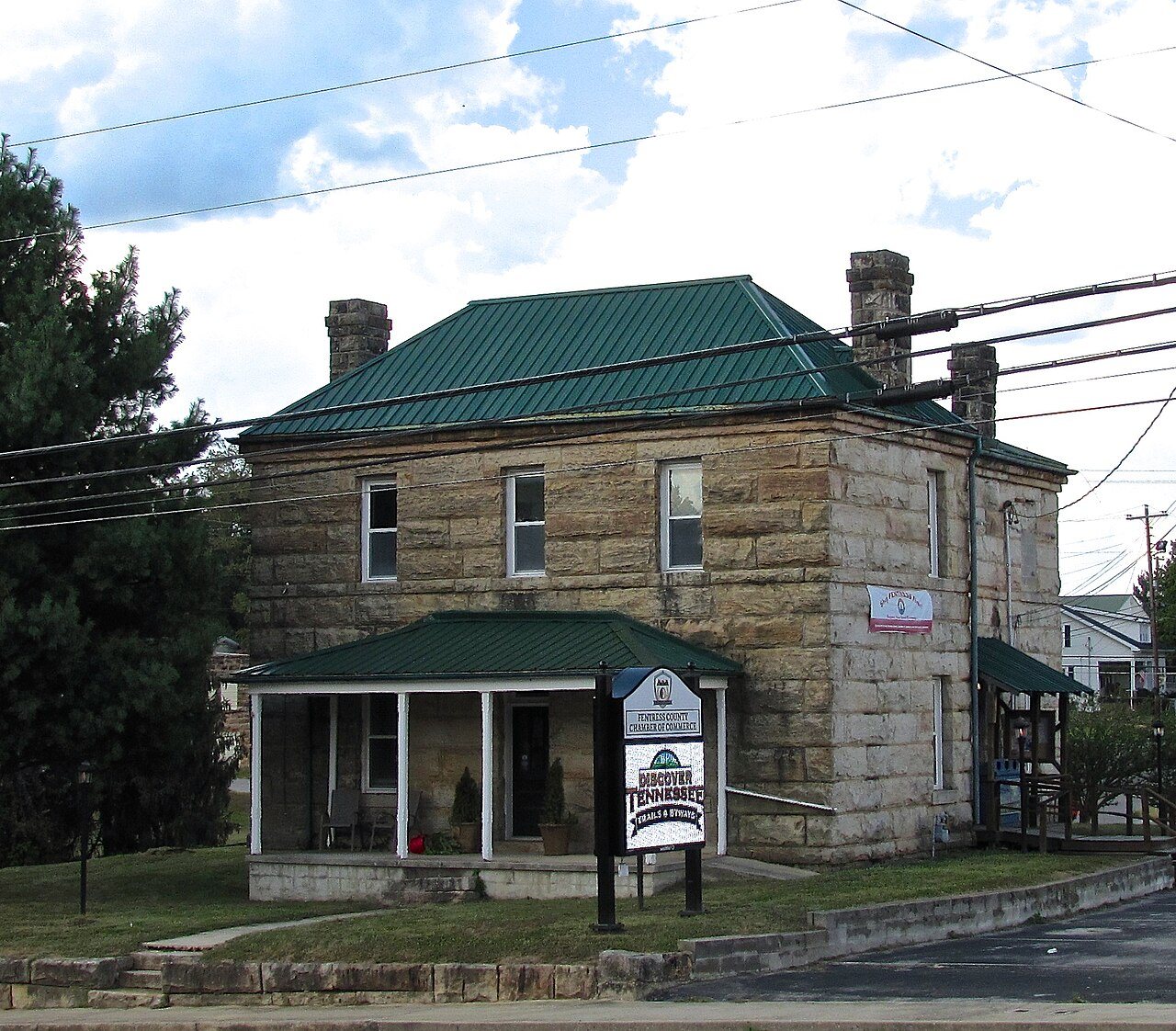




 2010
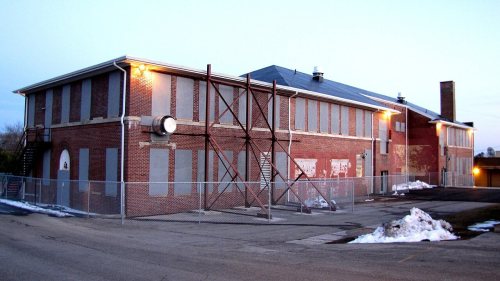
 2006


