Johnstown dates to 1770, and 48% of its homes were built before 1940
Among the most historic 1% of U.S. towns · #9 of 1,035 in Pennsylvania. What drives it
11 places in town are on the National Register, among them the Cambria Iron Company, a National Historic Landmark, and five historic districts with 1,073 buildings between them. Below: 18 old photos and papers, maps from 1886 on, and the census since 1840.
Founding year: Wikidata; Wikipedia’s history section gives the same year. First post office: 1811.The full story ↓
History grade
What drives Johnstown’s History grade
On its age, its old homes and the National Register, Johnstown is among the most historic 1% of U.S. towns, #9 of 1,035 in Pennsylvania. All 3 inputs put Johnstown near the top nationally; its share of homes from before 1940 ranks highest.
A+
HistoryA character grade: shown, never part of Johnstown’s overall grade.
Pennsylvania towns list about as much on the Register as the country (a typical Pennsylvania town has 2.1 per 10,000 residents, the U.S. 2.4), so Johnstown’s 597 sits above most of its state (95% of Pennsylvania towns have fewer) while its 1,079 historic buildings outnumber those of 99% of U.S. towns.
How sure. Graded on any two of the three inputs instead, the letter would still be A+. The pre-1940 share is a Census survey estimate (±3.3 points). Two sources give 1770.
Founding year: Wikidata (other dates in Quick answers). Homes: Census ACS 2020–24. National Register: National Park Service, May 2026 list; each listing counted once (boundary changes and added documentation belong to their listing), and a historic district counts its contributing buildings. How TownRatings grades history →
What stands out about Johnstown’s past
Read from the archive, the National Register and the record. The page puts what stands out first.
Johnstown was settled by Europeans in 1770. Its population and economy expanded from the post-Civil War period well into the 20th century, as the Industrial Revolution stimulated manufacturing, mining of iron and coal, and the rise of the steel industry. These industrial jobs attracted migrants from the South and new groups of immigrants from Eastern and Southern Europe.
The city has suffered three major floods in its history. The Johnstown Flood of May 31, 1889, occurred after the earthen South Fork Dam collapsed 14.1 miles (22.7 km) upstream from the city during heavy rains. At least 2,209 people died as a result of the flood and subsequent fire that raged through the debris.
Passages that mention Johnstown, cut from the printed page as they were published.
The complete history of the Johnstown and Conemaugh valley flood1889 · page 40Read the page →
Read the text
tance east of Johnstown, and runs to the borough, where it is joined by Stony Creek. The river passes under a heavy stone railway bridge, and by the neighboring village of Cambria, named from the county of which Johnstown is the seat. Then it continues westward, makes its way by Blairsville to the Kiskiminitas, which is one of the principal feeders of the Alleghany Biver. Williamsport is in the drainage basin of the Atlantic slope, while Johnstown has
Text read by machine from the scan; it may contain errors.
Scans and text from the Internet Archive. Books published in 1930 or earlier, which are in the public domain.
Timeline
Johnstown, 1770 to 1989
Woven from the archive, old maps, post office records, the National Register and the people born here.
Nothing in the archives for these yearsWeddings on Main Street, storms, parades, school pictures, the old store. If it’s in your family album, it belongs here.
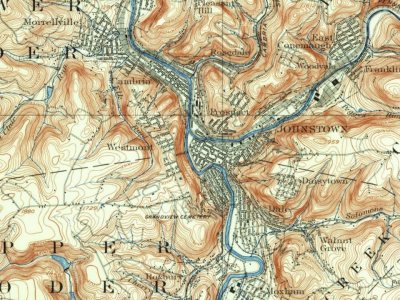
Every edition of the U.S. Geological Survey’s map of Johnstown. Tap a year, or press play to watch the town change.
1904Johnstown sheet · 1:62,500
U.S. Geological Survey historical topographic maps (public domain), via Esri’s collection of the scans. The red ring marks the center of Johnstown.
Every building
Johnstown, building by building, 1886–1913
Fire insurance maps drew every building, what it was made of and what it was used for, so insurers could price the risk of fire. Pick a year, then a sheet.
In 1770, according to Wikidata and Wikipedia’s history of the town. Johnstown’s post office opened in 1811, and the census of 1840 counted 949 people here.
How does Johnstown rank for history?
Johnstown is among the most historic 1% of U.S. towns, #9 of 1,035 in Pennsylvania. The History grade combines the town’s founding era, the share of homes built before 1940 and its National Register listings. It’s a character grade, so it isn’t part of the overall grade. How it works.
What is on the National Register in Johnstown?
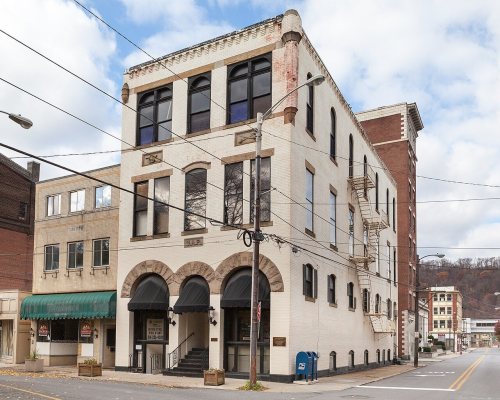
11 listings: 5 buildings, among them the Cambria Public Library Building (listed 1972, the first), 5 historic districts with 1,073 contributing buildings, and 1 structure. 1,079 historic buildings in all.
How old are the homes in Johnstown?
48% of Johnstown’s homes were built before 1940 (Census estimate, ±3.3 points), against a typical 18% for a Pennsylvania town; the median home was built in 1942.
Founding dates: Wikidata, Wikipedia, the U.S. post office records of Blevins & Helbock (CC0) and the Census. Homes by year built: Census ACS 2020–24. National Register of Historic Places: National Park Service (list of May 22, 2026). Old photos, postcards and papers: Wikimedia Commons, the Library of Congress and other public archives, credited on each item’s page. Maps: U.S. Geological Survey historical topographic maps (via Esri) and Sanborn fire-insurance maps (Library of Congress). History text and census tables: Wikipedia (CC BY-SA 4.0). Places that used to be: USGS Geographic Names Information System (2021).
From Wikimedia Commons (6), the Library of Congress (12), the National Register of Historic Places (11), Wikipedia, Wikidata and Wikipedia for famous people, U.S. Geological Survey historical maps, U.S. Census counts (via Wikipedia), the US Post Offices dataset (Blevins & Helbock), the USGS Geographic Names Information System, Sanborn fire insurance maps (Library of Congress) and old county and town histories (Internet Archive). Archive images are copied here with their credits and licenses, shown on each photo’s page. Refreshed monthly.




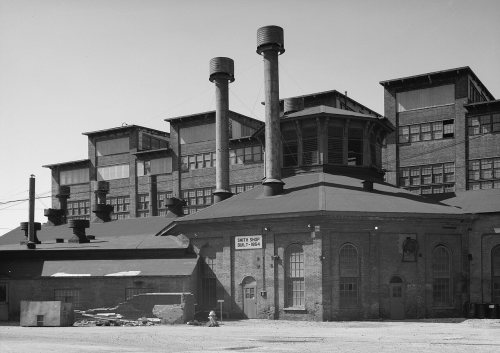 ★ Landmark






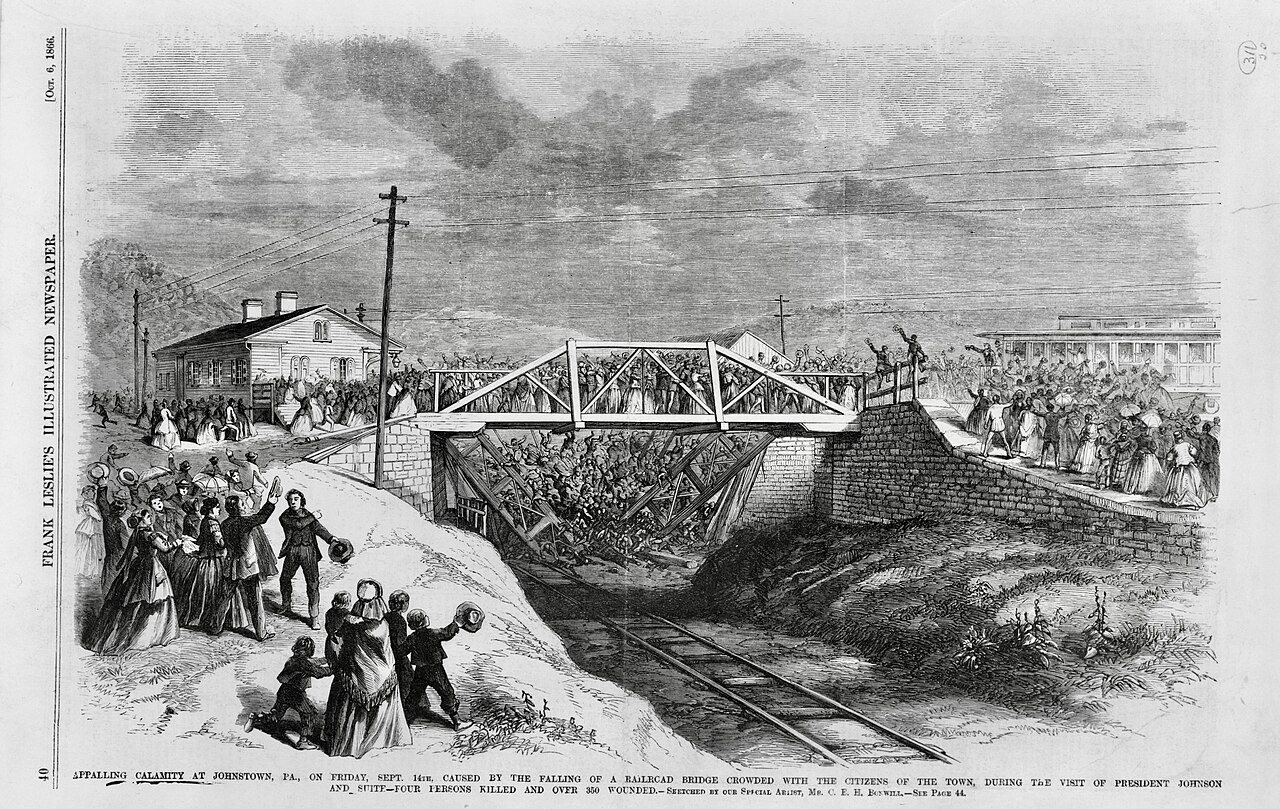
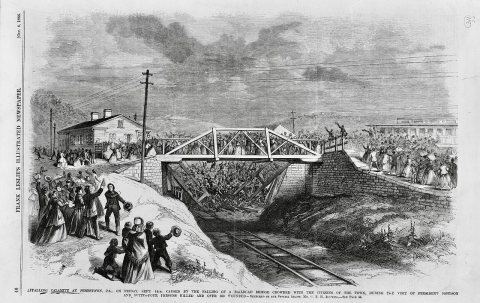 1866
 1867
 1888
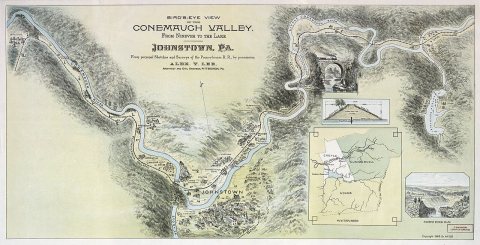 1889
 1889
 1889
 1889
 1889
 1889
 1889
 1889
 1889
 1889
 1889
 1889


