Among the most historic 1% of U.S. towns · #53 of 1,035 in Pennsylvania. What drives it
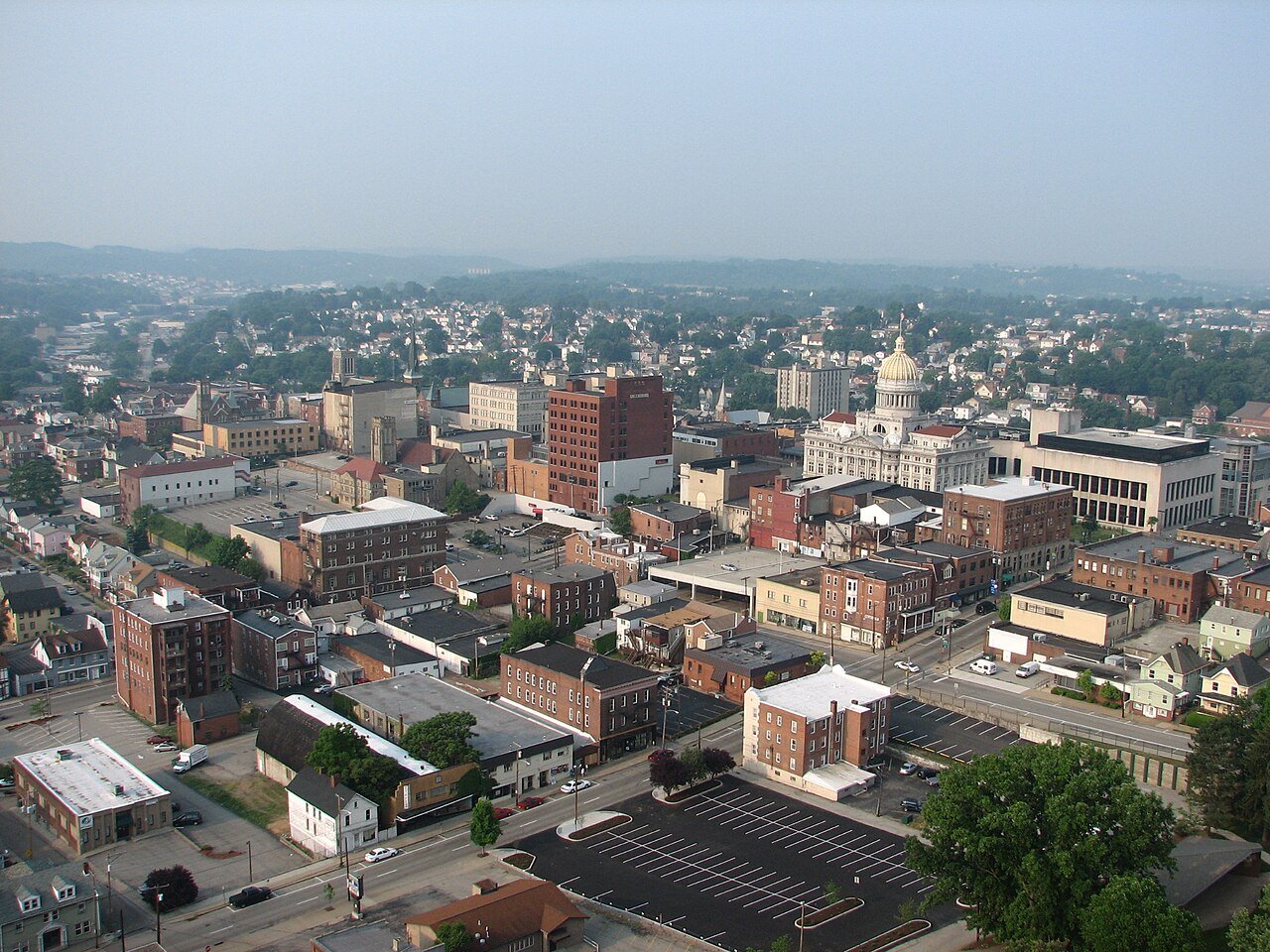
4 places in town are on the National Register, among them two historic districts with 302 buildings between them. Below: 9 old photos and papers, maps from 1886 on, and the census since 1810.
On its age, its old homes and the National Register, Greensburg is among the most historic 1% of U.S. towns, #53 of 1,035 in Pennsylvania. All 2 inputs put Greensburg near the top nationally; its National Register listings ranks highest.
A+
HistoryA character grade: shown, never part of Greensburg’s overall grade.
Pennsylvania towns list about as much on the Register as the country (a typical Pennsylvania town has 2.1 per 10,000 residents, the U.S. 2.4), so Greensburg’s 207 sits above most of its state (91% of Pennsylvania towns have fewer) while its 305 historic buildings outnumber those of 95% of U.S. towns.
How sure. Graded on two of the three inputs, so a change in either one moves the letter more than it would with three. The pre-1940 share is a Census survey estimate (±4.0 points).
Founding year: our sources. Homes: Census ACS 2020–24. National Register: National Park Service, May 2026 list; each listing counted once (boundary changes and added documentation belong to their listing), and a historic district counts its contributing buildings. How TownRatings grades history →
What stands out about Greensburg’s past
Read from the archive, the National Register and the record. The page puts what stands out first.
National Park Service, National Register of Historic Places. Photos from Wikimedia Commons, credited on each place’s page.
Every building
Greensburg, building by building, 1886–1915
Fire insurance maps drew every building, what it was made of and what it was used for, so insurers could price the risk of fire. Pick a year, then a sheet.
Hannastown was the original Westmoreland County seat. According to historian John Boucher, after Hannastown was attacked and burned by "Indians and Tories" in 1782, efforts began to relocate the county seat. On December 10, 1785, county officials contracted with Christopher Truby and William Jack to purchase two acres of Newtown land to erect public buildings. Ludwick Otterman later subscribed to the agreement. Boucher, therefore, designates December 10, 1785, as the date Newtown became the Westmoreland County seat.
Passages that mention Greensburg, cut from the printed page as they were published.
History of Greensburg (Westmoreland County, Pennsylvania) and Greensburg schools1899Read the page →
Read the text
Still another railroad project, in which citizens of Greensburg, and some other sections of Westmoreland county, took a deep interest, in 1854, was a proposed line from Greensburg to connect with the Monongahela & Eavenswood Railroad, across the state of (West) Virginia to the mouth of the Big Sandy, on the Ohio river.
Text read by machine from the scan; it may contain errors.
History of Westmoreland county, Pennsylvania1906Read the page →
Read the text
moreland county branch of the family, was born in one of the New England states, where he was reared and educated. During young manhood he came to Pennsylvania and located in East Huntingdon township. Westmoreland county, near the present city of Greensburg, where he identified himself with agricultural pursuits, which he continued until his decease, which occurred in the year 1867. He was one of the prominent farmers and dairymen of the county, and was the pioneer in the establishment of a milk route with wagon delivery in the city of Greensburg. He was a consistent member of the Methodist
Text read by machine from the scan; it may contain errors.
History of Westmoreland county, Pennsylvania1906 · page 39Read the page →
Read the text
( V) William Stokes Turney, the seventh child of Robert W. and Elizabeth ( Cook) Turney. born July 7, 1857. at Greensburg. Pennsylvania, received a good common school education and was made assistant freight agent at Greensburg. Later he embarked in the produce and commission business at Greensburg, which line he is still operating in. He votes the Democratic ticket. He has been a school director in his borough for seventeen years. He has served as deacon and elder in the First Reformed church of Greensburg, of which he has long been a member. Mr. Turney has been twice married (first)
Text read by machine from the scan; it may contain errors.
History of Greensburg (Westmoreland County, Pennsylvania) and Greensburg schools1899Read the page →
Read the text
troops traversed the soutlieru section of this county. The first division, embracing the Pennsylvania cavalry, and acting as an escort to Governor Mifflin, passed through Greensburg, on Thursday, November 20. On the preceding night this part of the army encamped two miles west of Greensburg, at a place designated as the "Dutchman's."
Text read by machine from the scan; it may contain errors.
Scans and text from the Internet Archive. Books published in 1930 or earlier, which are in the public domain.
Timeline
Greensburg, 1791 to 1968
Woven from the archive, old maps, post office records, the National Register and the people born here.
Nothing in the archives for these yearsWeddings on Main Street, storms, parades, school pictures, the old store. If it’s in your family album, it belongs here.
Greensburg is among the most historic 1% of U.S. towns, #53 of 1,035 in Pennsylvania. The History grade combines the town’s founding era, the share of homes built before 1940 and its National Register listings. It’s a character grade, so it isn’t part of the overall grade. How it works.
What is on the National Register in Greensburg?
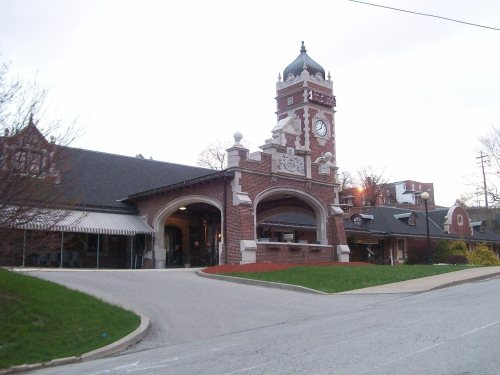
4 listings: 2 buildings, among them the Greensburg Railroad Station (listed 1977, the first), and 2 historic districts, the Greensburg Downtown Historic District and the Academy Hill Historic District, with 302 contributing buildings. 305 historic buildings in all.
How old are the homes in Greensburg?
32% of Greensburg’s homes were built before 1940 (Census estimate, ±4.0 points), against a typical 18% for a Pennsylvania town; the median home was built in 1957.
Founding dates: Wikidata, Wikipedia, the U.S. post office records of Blevins & Helbock (CC0) and the Census. Homes by year built: Census ACS 2020–24. National Register of Historic Places: National Park Service (list of May 22, 2026). Old photos, postcards and papers: Wikimedia Commons, the Library of Congress and other public archives, credited on each item’s page. Maps: U.S. Geological Survey historical topographic maps (via Esri) and Sanborn fire-insurance maps (Library of Congress). History text and census tables: Wikipedia (CC BY-SA 4.0). Places that used to be: USGS Geographic Names Information System (2021).
From Wikimedia Commons (15), the Library of Congress (2), Wikidata (5), the National Register of Historic Places (4), Wikipedia, Wikidata and Wikipedia for famous people, U.S. Geological Survey historical maps, U.S. Census counts (via Wikipedia), the US Post Offices dataset (Blevins & Helbock), the USGS Geographic Names Information System, Sanborn fire insurance maps (Library of Congress) and old county and town histories (Internet Archive). Archive images are copied here with their credits and licenses, shown on each photo’s page. Refreshed monthly.




 1901
 1901
 1917
 Date?
 Date?
 Date?
 2026
 2026
 2025
 2025
 2025
 2025
 2024
 2012


