On its age, its old homes and the National Register, Avalon is more historic than 87% of U.S. towns, #228 of 1,035 in Pennsylvania. All 3 inputs are above most U.S. towns; its share of homes from before 1940 ranks highest and its National Register listings lowest.
A
HistoryA character grade: shown, never part of Avalon’s overall grade.
Pennsylvania towns list about as much on the Register as the country (a typical Pennsylvania town has 2.1 per 10,000 residents, the U.S. 2.4), so Avalon’s 2.1 sits near the middle of its state (58% of Pennsylvania towns have fewer) while its 1 listings outnumber those of 51% of U.S. towns.
NoteThe founding year comes from Wikidata alone; no second source gives 1800.
How sure. Graded on any two of the three inputs instead, the letter would range from B+ to A. The pre-1940 share is a Census survey estimate (±4.7 points).
Founding year: Wikidata (other dates in Quick answers). Homes: Census ACS 2020–24. National Register: National Park Service, May 2026 list; each listing counted once (boundary changes and added documentation belong to their listing), and a historic district counts its contributing buildings. How TownRatings grades history →
What stands out about Avalon’s past
Read from the archive, the National Register and the record. The page puts what stands out first.
On December 9, 1874, a group of 29 property owners met and decided they wanted to separate from Kilbuck Township, which itself split from Pine Township in 1869. They petitioned the Court of Quarter Sessions of Pennsylvania for incorporation papers. The petition was drawn up by Noah Shafer, who eventually became West Bellevue's first solicitor. The group was notified that it first had to hold an election so officials of the petitioning body could make the request for incorporation. The first election was held December 26, 1874. James Semple was elected the first burgess, a position he held three different times. When the petition was submitted the second time, the court was in recess. The court met again in April, and on April 7, 1875, approved the petition and West Bellevue's right to incorporation. It was named after the legendary island of Avalon ("land of apples") on account of there…
Nothing in the archives for these yearsWeddings on Main Street, storms, parades, school pictures, the old store. If it’s in your family album, it belongs here.
Nothing in the archives for these yearsWeddings on Main Street, storms, parades, school pictures, the old store. If it’s in your family album, it belongs here.
In 1800, according to Wikidata. Avalon’s post office opened in 1883, and the census of 1880 counted 326 people here.
How does Avalon rank for history?
Avalon is more historic than 87% of U.S. towns, #228 of 1,035 in Pennsylvania. The History grade combines the town’s founding era, the share of homes built before 1940 and its National Register listings. It’s a character grade, so it isn’t part of the overall grade. How it works.
What is on the National Register in Avalon?
One place: the Davis Island Lock and Dam Site (listed 1980).
How old are the homes in Avalon?
38% of Avalon’s homes were built before 1940 (Census estimate, ±4.7 points), against a typical 18% for a Pennsylvania town; the median home was built in 1951.
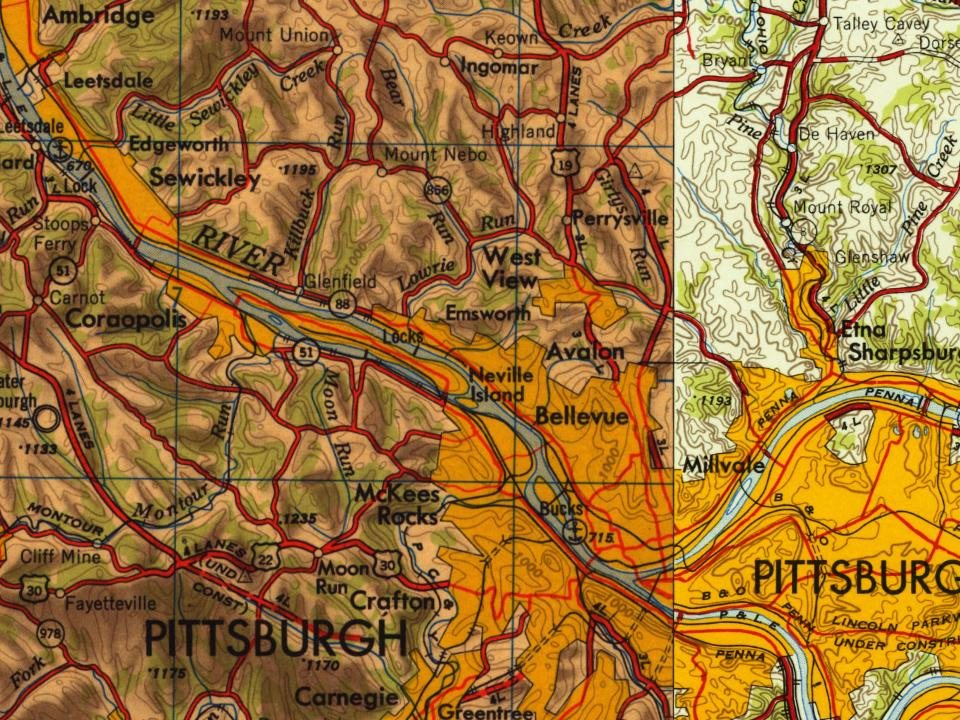
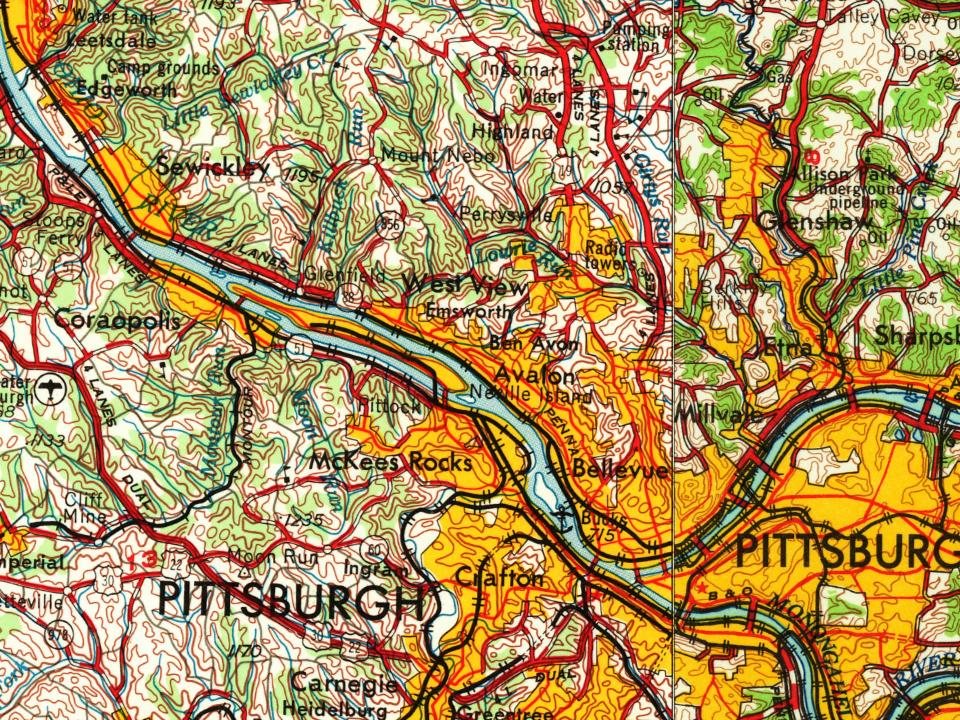
Founding dates: Wikidata, Wikipedia, the U.S. post office records of Blevins & Helbock (CC0) and the Census. Homes by year built: Census ACS 2020–24. National Register of Historic Places: National Park Service (list of May 22, 2026). Old photos, postcards and papers: Wikimedia Commons, the Library of Congress and other public archives, credited on each item’s page. Maps: U.S. Geological Survey historical topographic maps (via Esri) and Sanborn fire-insurance maps (Library of Congress). History text and census tables: Wikipedia (CC BY-SA 4.0). Places that used to be: USGS Geographic Names Information System (2021).
From Wikimedia Commons (12), Wikidata (1), the National Register of Historic Places (1), Wikipedia, Wikidata and Wikipedia for famous people, U.S. Geological Survey historical maps, U.S. Census counts (via Wikipedia), the US Post Offices dataset (Blevins & Helbock) and the USGS Geographic Names Information System. Archive images are copied here with their credits and licenses, shown on each photo’s page. Refreshed monthly.






 1966
 1966
 1966
 1966
 1966
 1966
 2023
 2013
 2011
 2007