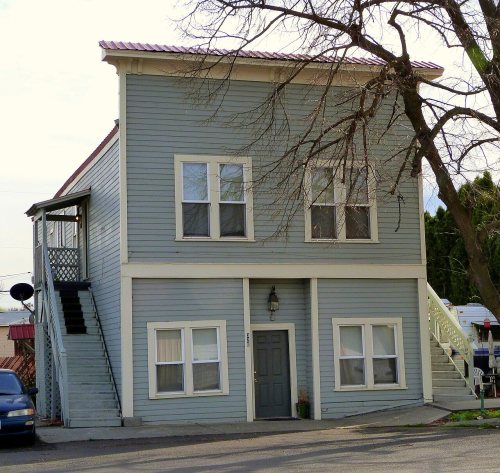
The original Oregon Trail passed just south of Echo. When the Columbia Plateau Route opened in 1847, it passed directly through Echo, crossing the Umatilla River. This eventually became the primary route of the Oregon Trail. Frequently pioneers would stay in Lower Crossing Camp, also located in Echo (the Upper Crossing being at Pendleton). In the 1860s, settlers began moving into the area, and built a ferry crossing the Umatilla River at Echo. The city of Echo is named after Echo Koontz, daughter of Cynthia and J. H. Koontz. Agriculture was the first draw, with alfalfa and corn being the main crops. A town was platted by 1880, and the Oregon Railroad and Navigation Company built a railroad through Echo by 1883, which made the town a shipping point for wool, cattle and sheep during the early 1900s. Echo was incorporated in 1904.
Founding dates: Wikidata, Wikipedia, the U.S. post office records of Blevins & Helbock (CC0) and the Census. Homes by year built: Census ACS 2020–24. National Register of Historic Places: National Park Service (list of May 22, 2026). Old photos, postcards and papers: Wikimedia Commons, the Library of Congress and other public archives, credited on each item’s page. Maps: U.S. Geological Survey historical topographic maps (via Esri) and Sanborn fire-insurance maps (Library of Congress). History text and census tables: Wikipedia (CC BY-SA 4.0). Places that used to be: USGS Geographic Names Information System (2021). How TownRatings grades history →
From Wikimedia Commons (3), Wikidata (7), the National Register of Historic Places (10), Wikipedia, U.S. Geological Survey historical maps, U.S. Census counts (via Wikipedia), the US Post Offices dataset (Blevins & Helbock), the USGS Geographic Names Information System and Sanborn fire insurance maps (Library of Congress). Archive images are copied here with their credits and licenses, shown on each photo’s page. Refreshed monthly.


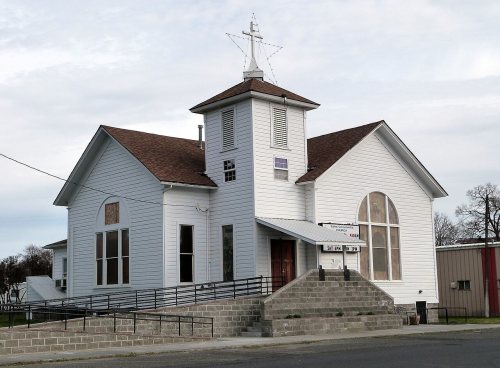
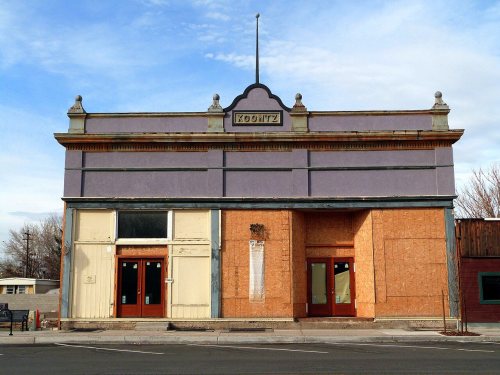

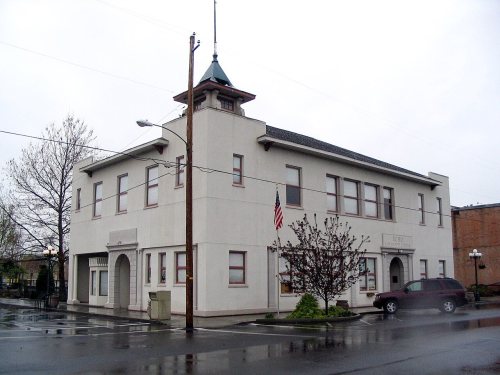
 2022
 2020
 2004