The story
Read it all →How Seville came to be
From Wikipedia’s history of Seville.
Seville was platted in 1828. It was named after Seville, in Spain.
Text from Wikipedia, licensed CC BY-SA 4.0.
Each edition grades its towns against each other only.
More historic than 58% of U.S. towns. What drives it
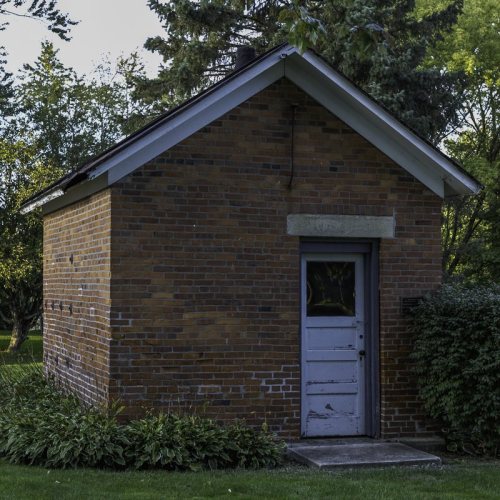
Its Register listing is the Seville Jail. Below: maps from 1904 on and the census since 1870.
The Seville post office opened in 1873, the earliest record of the town by name. Another post office, Guilford (1825), opened inside today’s town and later closed.
Seville was named after Seville, in Spain.
More historic than 58% of U.S. towns, on its age, its old homes and the National Register.
On its age, its old homes and the National Register, Seville is more historic than 58% of U.S. towns. Its share of homes from before 1940 holds the grade up; its age pulls it down.
Ohio towns list about as much on the Register as the country (a typical Ohio town has 2.9 per 10,000 residents, the U.S. 2.4), so Seville’s 4.7 sits near the middle of its state (63% of Ohio towns have fewer) while its 1 listings outnumber those of 51% of U.S. towns.
Founding year: the first post office (other dates in Quick answers). Homes: Census ACS 2020–24. National Register: National Park Service, May 2026 list; each listing counted once (boundary changes and added documentation belong to their listing), and a historic district counts its contributing buildings. How TownRatings grades history →
Read from the archive, the National Register and the record. The page puts what stands out first.
The first neighbors to add old photos shape how Seville’s history is told.
Every edition of the U.S. Geological Survey’s map of Seville. Tap a year, or press play to watch the town change.
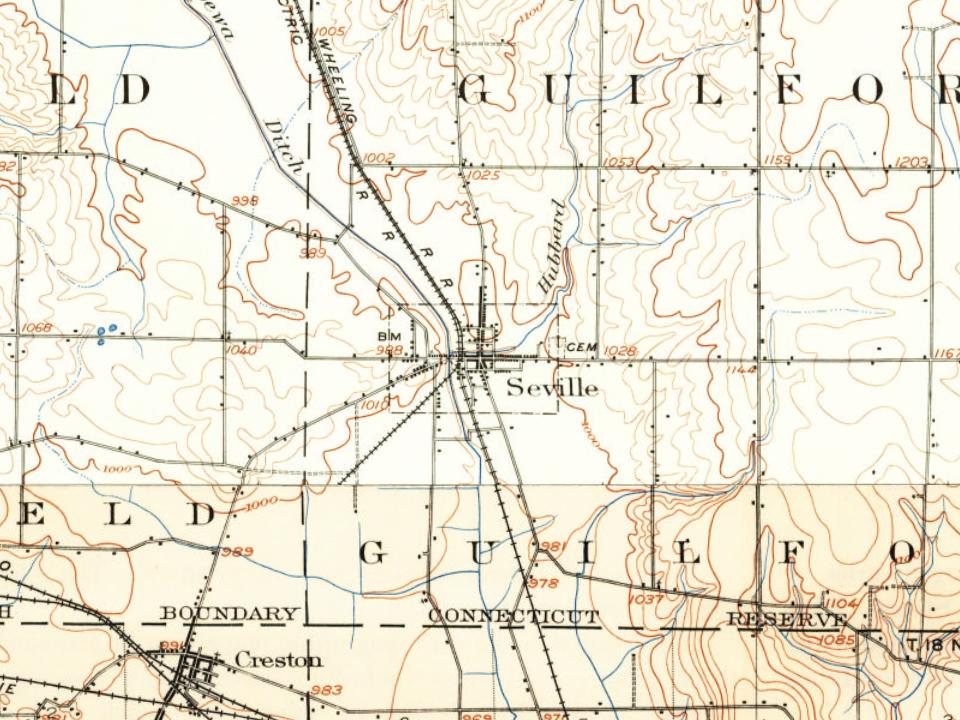
U.S. Geological Survey historical topographic maps (public domain), via Esri’s collection of the scans. The red ring marks the center of Seville.
From Wikipedia’s history of Seville.
Seville was platted in 1828. It was named after Seville, in Spain.
Text from Wikipedia, licensed CC BY-SA 4.0.
Passages that mention Seville, cut from the printed page as they were published.

The framework of a saw-mill that had once been conducted at the town of Seville, in Guilford Township, was removed, by Horatio Lyon, in 1845, and was put up at a short distance southeast of the center of Chatham, on the Branch River. In 1868, Mr. D. P. Fellows erected a cheese-factory — the largest establishment of its kind in Medina County — near the Center. He
Text read by machine from the scan; it may contain errors.
indicate that a town should be commenced, ana in ’28 Henry Hosmer, as proprietor, calling to his aid Nathaniel Bell, then county surveyor, surveyed and plotted a town to which was given the name of Seville, At that period Guilford could boast of two regular mail routs, an excellent tavern kept by Dr. Eastman, a school house, store, blacksmith shop, saw mill and a large number of industrious and experienced farmers, busily
Text read by machine from the scan; it may contain errors.
In 1830, Henry Hosmer, Chester Hosmer and Aaron Leland erected a saw-mill upon the north side of Hubbard Creek, in the village of Seville. A dam was built about half a mile up the stream, which flowed the water back toward the center road; from this pond, the water was conducted by a race to the mill below. Near the mill was quite a large basin, which, when
Text read by machine from the scan; it may contain errors.
Eastman took charge of the American House as landlord. Jeremiah Wilcox purchased Chester Hosmer’s farm, north of Hubbard Creek, for $4,000. The village of Seville was platted, and the lots numbered from 1 to 214. William Hosmer resigned the office of Postmaster in favor of Frederic Butler. Peter King commenced to build a grist-mill on the site now
Text read by machine from the scan; it may contain errors.Scans and text from the Internet Archive. Books published in 1930 or earlier, which are in the public domain.
Woven from the archive, old maps, post office records, the National Register and the people born here.
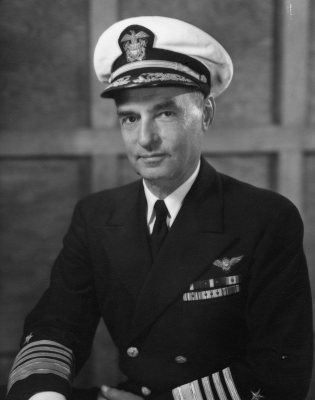 Born hereJohn H. Hoover is born here
 On the mapFirst mapped by the U.S. Geological Survey
 Born hereCaitlin Cary is born here
The country’s official list of buildings and places worth saving.
National Park Service, National Register of Historic Places. Photos from Wikimedia Commons, credited on each place’s page.
Grew from 597 people in 1870 to 2,335 in 2020, 3 times over.
16 censuses, 1870–2020.
U.S. Census Bureau decennial counts, from the census table on Seville’s Wikipedia page.
Writers, athletes, leaders and more, ranked by how widely they’re known.
Seville’s post office has been open since 1873. Another post office, Guilford, opened and closed inside today’s town.
US Post Offices dataset (Blevins & Helbock, CC0). Places and cemeteries from the USGS Geographic Names Information System (2021).
Each neighbor’s History grade, on the same three inputs.
The Seville post office opened in 1873, the earliest record of the town by name (U.S. post office records).
Seville is more historic than 58% of U.S. towns. The History grade combines the town’s founding era, the share of homes built before 1940 and its National Register listings. It’s a character grade, so it isn’t part of the overall grade. How it works.
One place: the Seville Jail (listed 1997).
19% of Seville’s homes were built before 1940 (Census estimate, ±6.3 points), against a typical 15% for an Ohio town; the median home was built in 1979.
What the archives can’t tell you, neighbors can.
Founding dates: Wikidata, Wikipedia, the U.S. post office records of Blevins & Helbock (CC0) and the Census. Homes by year built: Census ACS 2020–24. National Register of Historic Places: National Park Service (list of May 22, 2026). Old photos, postcards and papers: Wikimedia Commons, the Library of Congress and other public archives, credited on each item’s page. Maps: U.S. Geological Survey historical topographic maps (via Esri) and Sanborn fire-insurance maps (Library of Congress). History text and census tables: Wikipedia (CC BY-SA 4.0). Places that used to be: USGS Geographic Names Information System (2021).
From Wikimedia Commons (6), the National Register of Historic Places (1), Wikipedia, Wikidata and Wikipedia for famous people, U.S. Geological Survey historical maps, U.S. Census counts (via Wikipedia), the US Post Offices dataset (Blevins & Helbock), the USGS Geographic Names Information System and old county and town histories (Internet Archive). Archive images are copied here with their credits and licenses, shown on each photo’s page. Refreshed monthly.
 2013
 2013
 2013
 2013
 2012
 2004