Duncan FallsOH
A town of 1,355, settled in 1837.
Is Duncan Falls a good place to live?
Duncan Falls’ best subject grades are an A− for incomes, cost of living, and history; its weakest is a C− for hazard risk. Only 111 of Ohio’s 1,718 towns score lower on hazard risk. 13% of residents are under 18 in Duncan Falls, against 22% in Ohio’s towns and 22% across U.S. towns. Duncan Falls has fewer than 2,500 residents, so it gets subject grades but no overall grade.
What makes Duncan Falls stand out
Where Duncan Falls beats most towns.
1,355 people, and everyone knows the way
In a town this size, neighbors are the best guide. Ask them anything.
How Duncan Falls grades
Each subject compared with towns across the country (schools within Ohio), ordered by how far Duncan Falls is from typical.
How TownRatings grades towns →
Moving to Duncan Falls: who provides what
Duncan Falls is unincorporated, so Muskingum County and regional agencies provide most services.
EPA SDWIS (Oct 9, 2026) · HIFLD + EIA-861 2025 · Census 2020 ZCTAs · NCES 2024–25 · registration: vote.gov, updated Aug 3, 2026.
The data
Ordered by what stands out in Duncan Falls.
Most of Duncan Falls’ workers commute out: the town has 0.6 jobs for each of them
Most working residents leave Duncan Falls for work: only 4% work in town. At 33 minutes, Duncan Falls’ average trip to work is above both the Ohio town median (24 minutes) and the median of U.S. towns (25 minutes). 3.1% of residents live below the poverty line in Duncan Falls.
| Duncan Falls | Ohio towns | U.S. towns | |
|---|---|---|---|
| Average trip to work | 33 minutes | 24 minutes | 25 minutes |
| Below the poverty line | 3.1% | 9.1% | 9.6% |
| Working residents who work in town | 4.3% | 6.9% | 8% |
Where working residents work
Census LEHD 2023 · ACS
Older than Ohio overall
41% of Duncan Falls adults 25 and older hold a bachelor’s degree or more.
| Duncan Falls | Ohio towns | U.S. towns | |
|---|---|---|---|
| Bachelor’s degree or more, 25+ | 41% | 24% | 29% |
| Median age | 46.7 years | 41.7 years | 40.5 years |
Ages · share of residents
Education · adults 25 and older
Women and men · all residents
Somewhere between 47% and 70% women
The Census survey reached too few of Duncan Falls’ residents to say more: its margin here is ±11.7 points. Across Ohio, 50.7% of residents are women.
| Duncan Falls | OH | U.S. | |
|---|---|---|---|
| Under 10 | 8.4% | 11.7% | 11.6% |
| 10 to 17 | 4.6% | 10.3% | 10.3% |
| 18 to 24 | 0.8% | 8.9% | 9.1% |
| 25 to 34 | 17.7% | 13.2% | 13.7% |
| 35 to 44 | 16.9% | 12.5% | 13.2% |
| 45 to 54 | 15.7% | 12% | 12.2% |
| 55 to 64 | 6.8% | 13.2% | 12.7% |
| 65 to 74 | 25.2% | 10.9% | 10.2% |
| 75 and older | 3.8% | 7.3% | 7% |
| No diploma | 0% | 8.2% | 10.4% |
| High school | 26% | 32.1% | 26% |
| Some college | 27.7% | 19.3% | 19.1% |
| Associate’s | 5.5% | 9% | 8.8% |
| Bachelor’s | 22.6% | 19.3% | 21.6% |
| Graduate | 18.2% | 12.2% | 14.1% |
U.S. Census Bureau · ACS 2020-2024 5-year estimates · in a town of 1,400, single groups can be off by several points
Inland flooding leads a high hazard risk in Duncan Falls
Expected storm and flood damage is higher than in 70% of U.S. communities.
FEMA National Risk Index · OpenFEMA
In Duncan Falls, expect four seasons and pleasant summers
Duncan Falls has chilly winters and warm summers. July afternoons reach 85°, January nights drop to 21° and about 10 inches of snow falls in a winter.
Typical low → high °F
NOAA U.S. Climate Normals, 1991–2020
Health in Duncan Falls trails 62% of U.S. towns
Duncan Falls beats the Ohio average on 6 of 32 CDC measures and trails it on 1.
| Duncan Falls | Ohio towns | U.S. towns | |
|---|---|---|---|
| Yearly checkup (CDC PLACES) | 83% | 80% | 79% |
| Obesity (CDC PLACES) | 41% | 38% | 35% |
| Depression (CDC PLACES) | 27% | 26% | 23% |
| Binge drink (CDC PLACES) | 15% | 17% | 16% |
| What stands out | Duncan Falls | OH |
|---|---|---|
| Fewer adults facing food insecurity | 10.9% | 14.1% |
| Fewer adults facing housing insecurity | 8.9% | 11.3% |
| More adults who have had cancer | 10.5% | 8.7% |
CDC PLACES 2025 · modeled estimates for adults · CMS · HRSA
| Duncan Falls | Ohio towns | U.S. towns | |
|---|---|---|---|
| Conserved land | 9.9% | 3.7% | 4.3% |
| Miles of trail per square mile | 0.2 miles per square mile | 0.2 | 0.4 |
| Biggest places to walk | Trails | Acres |
|---|---|---|
| 1. Bergin Park | — | 16 |
Trails & parks © OpenStreetMap contributors · Conserved land: USGS PAD-US
A typical Duncan Falls home is worth about $214K
The typical Duncan Falls home is worth about $214,000, up 1.5% in a year, 13% below the Ohio typical home.
Typical home value
Zillow Home Value Index · Redfin Data Center
The Wilds and 7 more within 40 miles
Museums, parks, gardens and other places to visit around Duncan Falls. Close and well known come first.
 10 mi Zoo & aquariumThe Wilds
 34 mi Ancient siteAlligator Effigy Mound
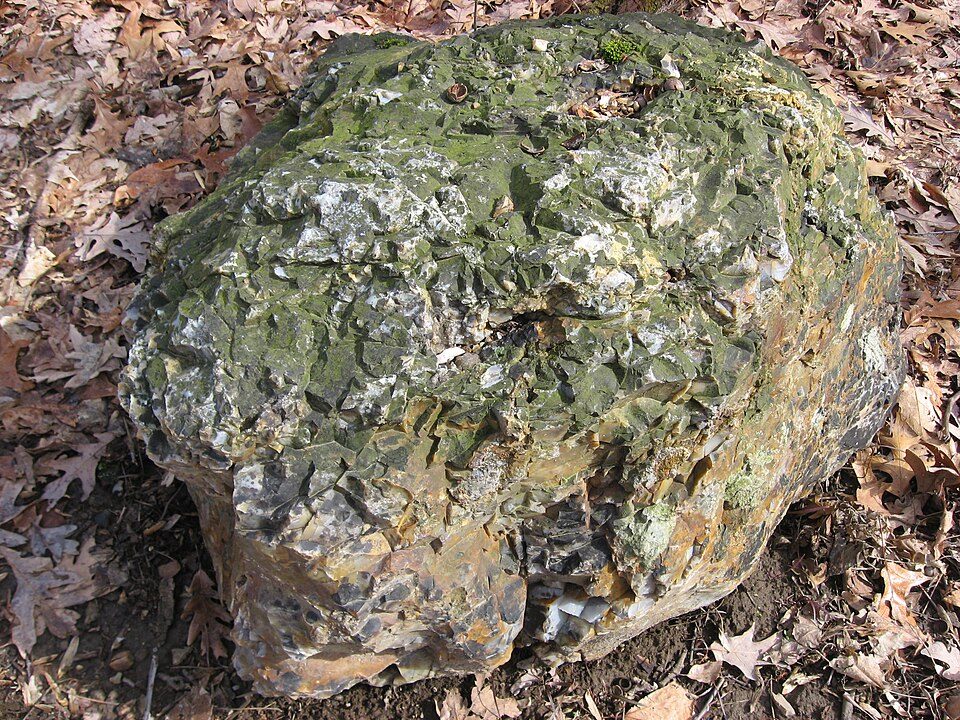 20 mi MuseumFlint Ridge State Memorial
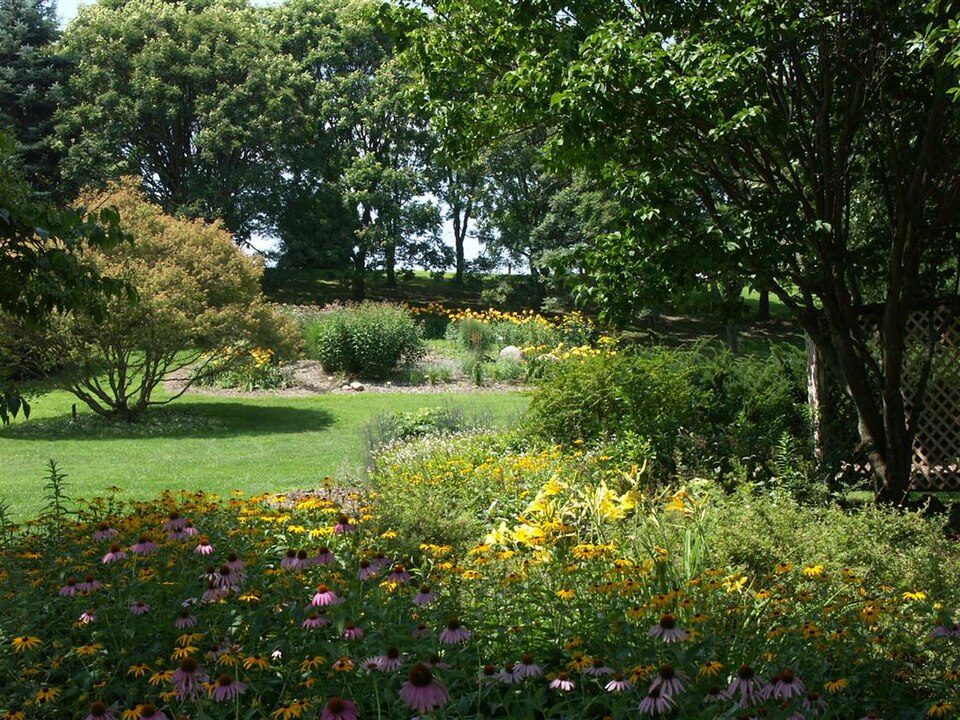 28 mi GardenDawes Arboretum
 12 mi MuseumJohn and Annie Glenn Museum
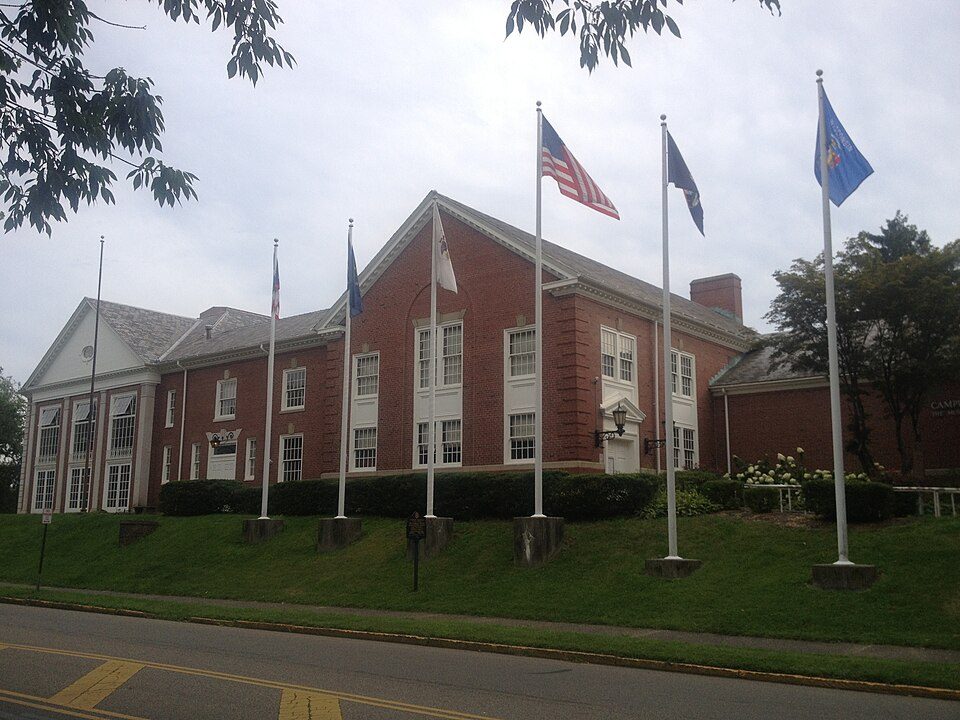 40 mi MuseumCampus Martius Museum
Photo credits
The Wilds: Bikingshaun (talk), CC BY 3.0 · Alligator Effigy Mound: Rev. Stephen D. Peet, editor, Public domain · Flint Ridge State Memorial: Nyttend, Public domain · Dawes Arboretum: Annmarie Creamer, Public domain · John and Annie Glenn Museum: Akflyer, CC BY-SA 4.0 · Campus Martius Museum: Snoopywv, CC BY-SA 4.0


Everything we know about Duncan Falls
Colleges nearby
3 within 15 miles of the center of Duncan Falls
About 0 of every 100 Duncan Falls residents are enrolled in college, against 6 across Ohio.
96% of working residents leave Duncan Falls for work
Where Duncan Falls’s working residents go each day. Line width shows the share.
Census LEHD 2023
Questions about Duncan Falls
Short answers, built from the data on this page.
Is Duncan Falls, OH expensive?
Not for the area. Cost of living, which also weighs rents, property taxes and how many households pay 30% or more of their income for housing, grades A−.