Founding year: Wikidata. First post office: 1828.The full story ↓
History grade
What drives Pleasantville’s History grade
On its age, its old homes and the National Register, Pleasantville is more historic than 92% of U.S. towns, #215 of 758 in New York. All 3 inputs are above most U.S. towns; its age ranks highest and its National Register listings lowest.
A
HistoryA character grade: shown, never part of Pleasantville’s overall grade.
New York towns list more on the Register than most of the country (a typical New York town has 12.3 per 10,000 residents, the U.S. 2.4), so Pleasantville’s 5.4 sits near the middle of its state (36% of New York towns have fewer) while its 4 historic buildings outnumber those of 68% of U.S. towns.
NoteThe founding year comes from Wikidata alone; no second source gives 1695.
How sure. Graded on any two of the three inputs instead, the letter would range from A− to A+. The pre-1940 share is a Census survey estimate (±6.4 points).
Founding year: Wikidata (other dates in Quick answers). Homes: Census ACS 2020–24. National Register: National Park Service, May 2026 list; each listing counted once (boundary changes and added documentation belong to their listing), and a historic district counts its contributing buildings. How TownRatings grades history →
What stands out about Pleasantville’s past
Read from the archive, the National Register and the record. The page puts what stands out first.
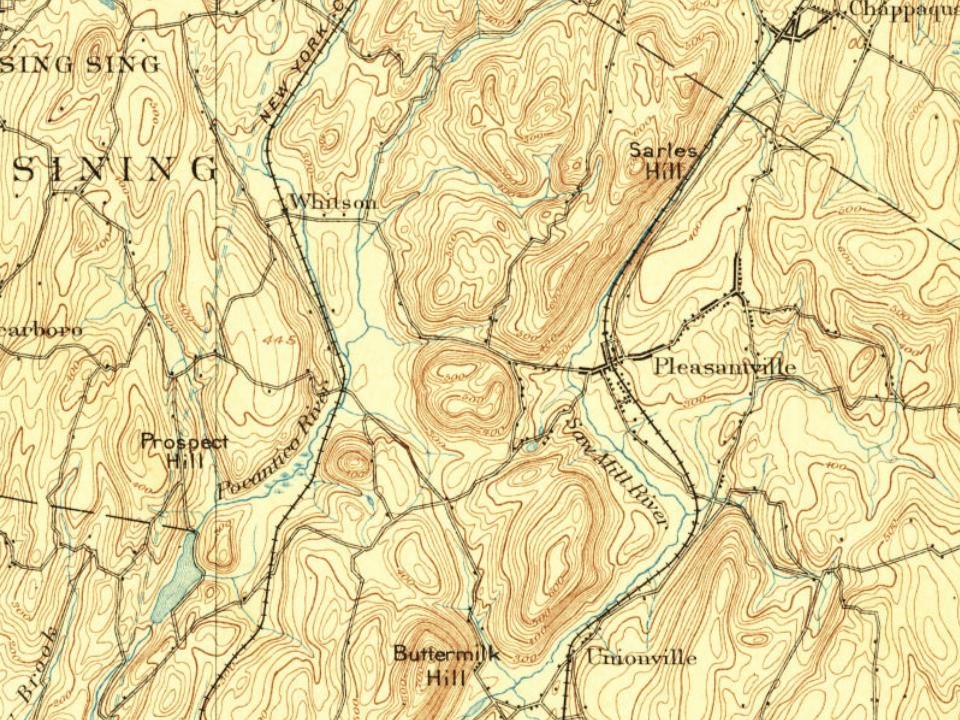
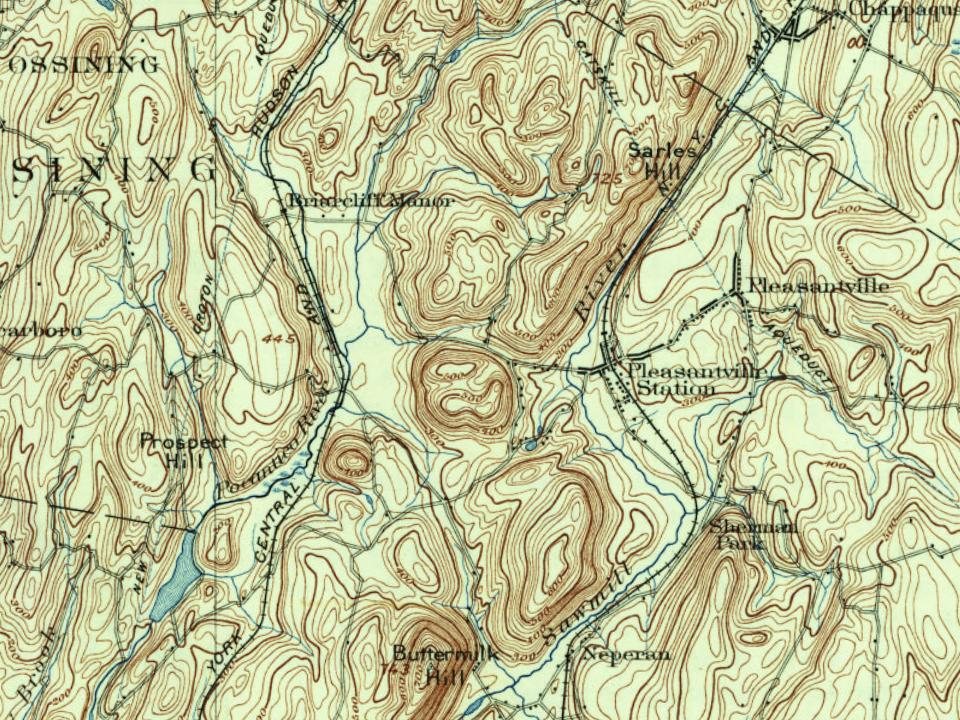
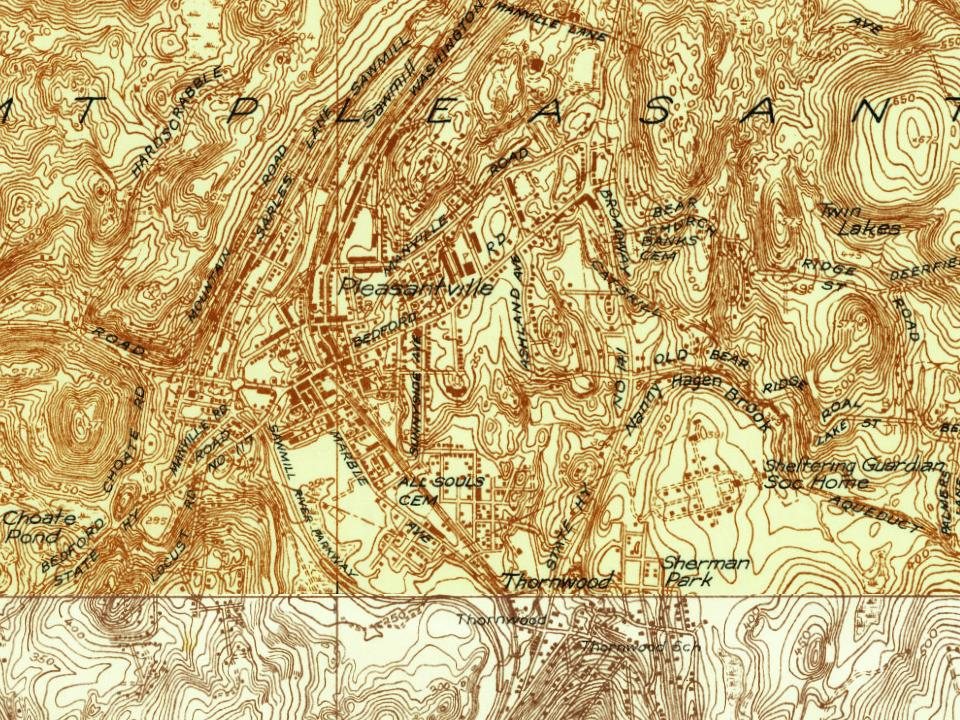
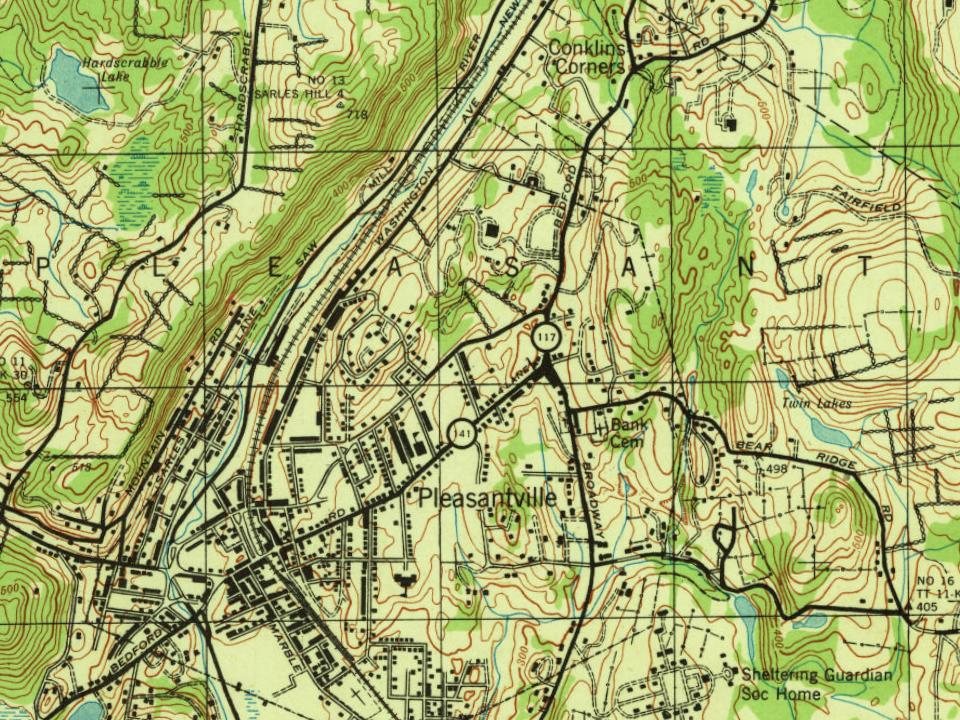
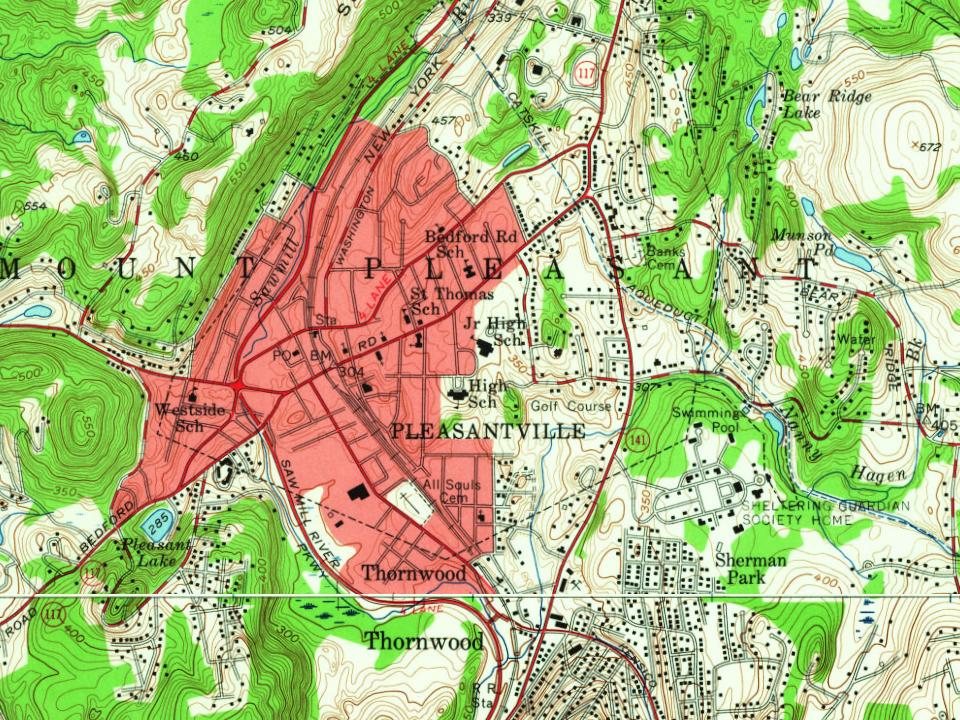
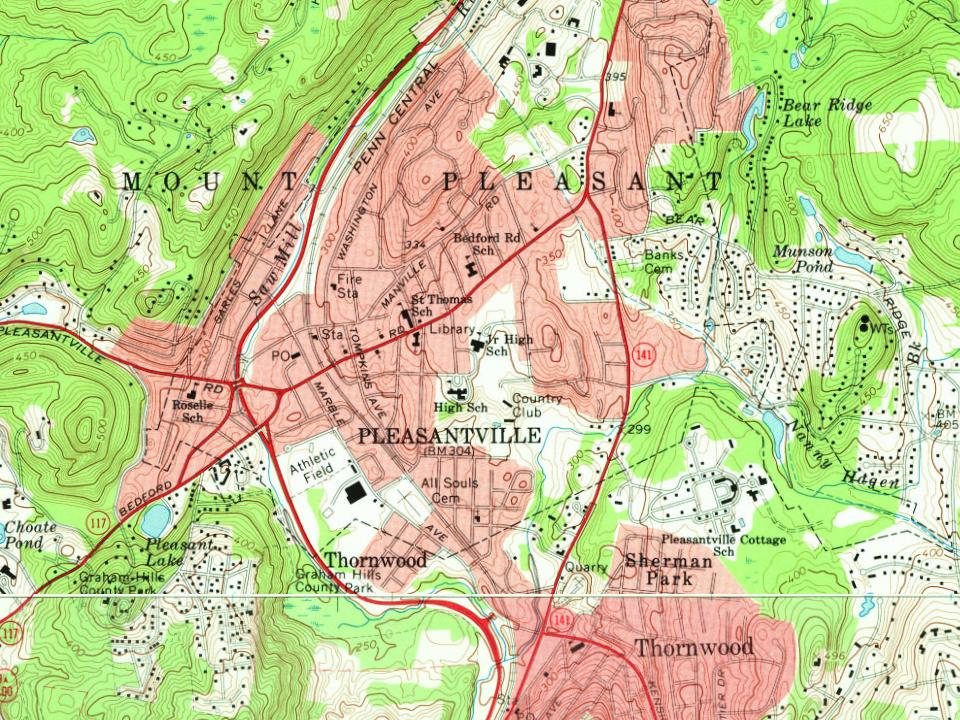
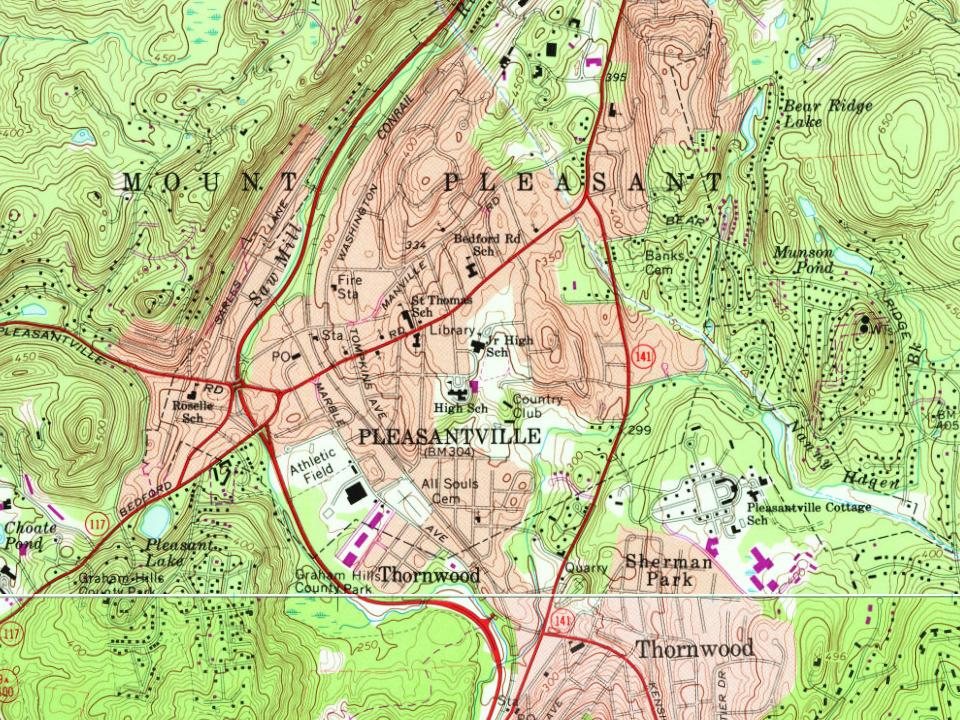
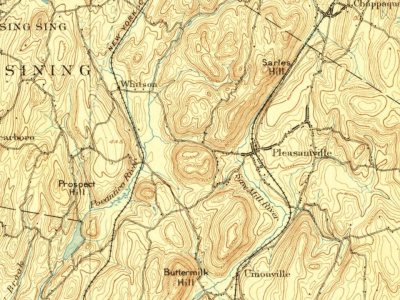
Every edition of the U.S. Geological Survey’s map of Pleasantville. Tap a year, or press play to watch the town change.
1892Tarrytown sheet · 1:62,500
U.S. Geological Survey historical topographic maps (public domain), via Esri’s collection of the scans. The red ring marks the center of Pleasantville.
Timeline
Pleasantville, 1695 to 1994
Woven from the archive, old maps, post office records, the National Register and the people born here.
Fire insurance maps drew every building, what it was made of and what it was used for, so insurers could price the risk of fire. Pick a year, then a sheet.
The settlement of Pleasantville dates back to the Rechgawawank and Sinsink tribes, belonging to the Munsee dialect of the Lenni Lenape. This region of the Hudson Valley has been inhabited since just after the last ice age. Lenape communities practiced ecosystem management, small-scale agriculture, hunting and gathering, democratic politics, and matrilineal governance. Called the "Grandfathers" by neighboring tribes, the Lenape were peaceful and skilled at conflict resolution between tribes and established trading routes crossing through the present-day village before the arrival of Europeans. By the end of the 17th century, most if not all of the New York Lenape people had been killed by disease or conflict or had been displaced westward; Lenape in the 21st century reside in Ontario, Oklahoma, Ohio, Wisconsin, New Jersey, and Pennsylvania. French Huguenot Isaac See settled here as an ag…
Passages that mention Pleasantville, cut from the printed page as they were published.
Biographical history of Westchester County, New York..1899Read the page →
Read the text
The name forming the caption of this sketch is a household appellation in the village of Pleasantville and town of Mount Pleasant, Westchester county. New York. Indeed, perhaps no man in the town is better known than William H. Bell. For more than two-score years he has been interested officially in its educational matters, having served as school trustee and president of the school board twenty-one years, and in every way he has had at heart the highest welfare of its people.
Text read by machine from the scan; it may contain errors.
Biographical history of Westchester County, New York..1899 · page 810Read the page →
Read the text
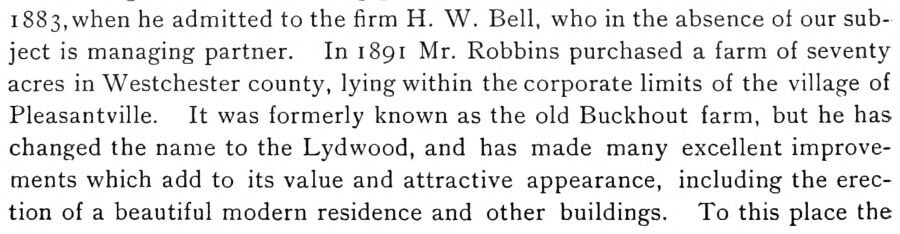
1 883, when he admitted to the firm H. W. Bell, who in the absence of our subject is managing partner. In 1891 Mr. Robbins purchased a farm of seventy acres in Westchester county, lying within the corporate limits of the village of Pleasantville. It was formerly known as the old Buckhout farm, but he has changed the name to the Lydwood, and has made many excellent improvements which add to its value and attractive appearance, including the erection of a beautiful modern residence and other buildings. To this place the
Text read by machine from the scan; it may contain errors.
History of Westchester County, New York, from its earliest settlement to the year 19001900 · page 634Read the page →
Text read by machine from the scan; it may contain errors.
History of Westchester County, New York, from its earliest settlement to the year 19001900 · page 627Read the page →
Read the text
Nine new villages have been incorporated during the present decade: Pelham Manor and Larchmont in 1801, Mamaroneck in 1805, Pelham, North Pelham, and Ardsley in 1896, Pleasantville in 1897, and Bronxville and Croton in 1898. This volume is issued before the appearance of the census returns of 1000 for Westchester County proper. J In 1808, however, local enumerations were made in the villages of the couniy, with the followingresults in the incorporated places : ?
Text read by machine from the scan; it may contain errors.
Scans and text from the Internet Archive. Books published in 1930 or earlier, which are in the public domain.
By decade
Pleasantville, decade by decade
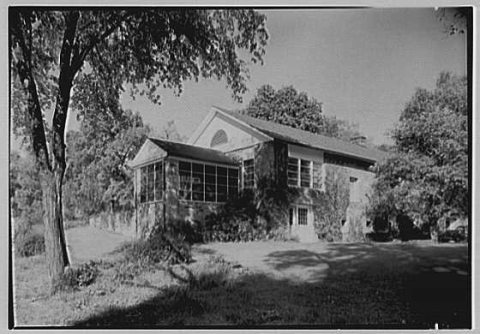
One decade in the archive so far: the 1940s. Scroll each row; tap a photo for its story.
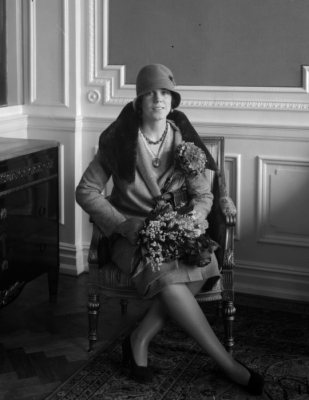
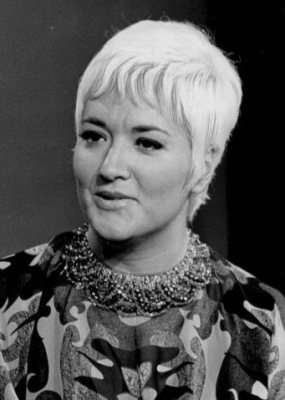
Nothing in the archives for these yearsWeddings on Main Street, storms, parades, school pictures, the old store. If it’s in your family album, it belongs here.
In 1695, according to Wikidata. Pleasantville’s post office opened in 1828, and the census of 1900 counted 1,204 people here.
How does Pleasantville rank for history?
Pleasantville is more historic than 92% of U.S. towns, #215 of 758 in New York. The History grade combines the town’s founding era, the share of homes built before 1940 and its National Register listings. It’s a character grade, so it isn’t part of the overall grade. How it works.
How old are the homes in Pleasantville?
36% of Pleasantville’s homes were built before 1940 (Census estimate, ±6.4 points), against a typical 27% for a New York town; the median home was built in 1955.
Founding dates: Wikidata, Wikipedia, the U.S. post office records of Blevins & Helbock (CC0) and the Census. Homes by year built: Census ACS 2020–24. National Register of Historic Places: National Park Service (list of May 22, 2026). Old photos, postcards and papers: Wikimedia Commons, the Library of Congress and other public archives, credited on each item’s page. Maps: U.S. Geological Survey historical topographic maps (via Esri) and Sanborn fire-insurance maps (Library of Congress). History text and census tables: Wikipedia (CC BY-SA 4.0). Places that used to be: USGS Geographic Names Information System (2021).
From Wikimedia Commons (6), Wikipedia, Wikidata and Wikipedia for famous people, U.S. Geological Survey historical maps, U.S. Census counts (via Wikipedia), Sanborn fire insurance maps (Library of Congress) and old county and town histories (Internet Archive). Archive images are copied here with their credits and licenses, shown on each photo’s page. Refreshed monthly.









 1948
 1948
 1948
 1948
 2005