Founding year: Wikidata. First post office: 1847.The full story ↓
History grade
What drives Corning’s History grade
On its age, its old homes and the National Register, Corning is more historic than 59% of U.S. towns, #605 of 758 in New York. Its age holds the grade up; its National Register listings pull it down.
B
HistoryA character grade: shown, never part of Corning’s overall grade.
New York towns list more on the Register than most of the country (a typical New York town has 12.3 per 10,000 residents, the U.S. 2.4), so Corning’s 0.0 sits below most of its state (10% of New York towns have fewer) while its 0 listings outnumber those of 23% of U.S. towns.
NoteThe founding year comes from Wikidata alone; no second source gives 1796.
How sure. Graded on any two of the three inputs instead, the letter would range from C+ to A−. The pre-1940 share is a Census survey estimate (±5.0 points).
Founding year: Wikidata (other dates in Quick answers). Homes: Census ACS 2020–24. National Register: National Park Service, May 2026 list; each listing counted once (boundary changes and added documentation belong to their listing), and a historic district counts its contributing buildings. How TownRatings grades history →
What stands out about Corning’s past
Read from the archive, the National Register and the record. The page puts what stands out first.
Lost post offices, old corners and burying grounds
Three other post offices opened and closed inside today’s town.
Gibson
1847–1905
East Corning
1889–1902
Mossy Glen
1893–1902
18401930today
Hamlets and corners on the map
Corning ManorDenmarkEast CorningGibsonGoff Road Mobile Home ParkHanwell Village Mobile Home ParkRiversideSouth Corning
3cemeteries and burying grounds inside Corning
HopeHope Cemetery AnnexSaint Marys Roman Catholic
US Post Offices dataset (Blevins & Helbock, CC0). Places and cemeteries from the USGS Geographic Names Information System (2021).
Every building
Corning, building by building, 1888–1921
Fire insurance maps drew every building, what it was made of and what it was used for, so insurers could price the risk of fire. Pick a year, then a sheet.
The first settlement in the town of Corning was made near the site of the future city in 1796. The community was incorporated as a village in 1848. Corning was incorporated as a city in 1890. As the glass industry developed, Corning became known as the "Crystal City" which was supported by companies such as Hawkes, Sinclair, and Hunt - which produced some of the finest American Brilliant Period cut glass between 1880 and 1915.
Passages that mention Corning, cut from the printed page as they were published.
History of the settlement of Steuben County, New York1853 · page 202Read the page →
Read the text
The work of constructing these railroads was commenced in 1836, and at the same time an association of gentlemen now known as the Corning Company, having purchased a large tract of land on both sides of the Chemung river, and laying out streets and lots, made a beginning of the future village of Corning by the erection of a large hotel called the "Corning House." j The Corning and Blossburgh railroad was completed and put into operation in | 1840. About the same time the work of building the New York and Erie railroad which passes through the village was commenced in the vicinity and
Text read by machine from the scan; it may contain errors.
History of the settlement of Steuben County, N.Y.1853 · page 299Read the page →
Read the text
Chemung canal The work of constructing these railroads was commenced in 183G. and at the same time an association of gentlemen nov(r known as the Corning Company, having purchased a large tract of land on both sides of the Chemung river, and laying out streets and lots, made a beginning of the future village of Corning by the erection of a large hotel called the '-Corning House."' The Corning and Blossburg railroad was completed and put into
Text read by machine from the scan; it may contain errors.
A history of Steuben County, New York, and its people1911 · page 164Read the page →
Read the text
In April, 1888, the city of Hornell was created from a part of the town of Hornellsville and in 1890 the city of Corning was organized from the town of Corning, so that there are now thirty-two towns and two cities. Each city has three supervisors and each town elects one, so that the Board of Supervisors of the county has thirtyeight members.
Text read by machine from the scan; it may contain errors.
A history of Steuben County, New York, and its people1911 · page 103Read the page →
Read the text
The townships now known as Erwin, Canisteo, city of Hornell, town of Hornellsville, city of Corning, town of Corning, town of Lindley and town of Campbell, with some small lots and pieces, were purchased from and were conveyed to the respective purchasers by Phelps and Gorham, or Robert Morris, before the English association became the owners of this territory, or what then was unsold; so that the relations and business connections of the purchasers and settlers of the six townships sold prior to the sale to Sir William
Text read by machine from the scan; it may contain errors.
Scans and text from the Internet Archive. Books published in 1930 or earlier, which are in the public domain.
Timeline
Corning, 1796 to 2000
Woven from the archive, old maps, post office records, the National Register and the people born here.
In 1796, according to Wikidata. Corning’s post office opened in 1847, and the census of 1870 counted 4,018 people here.
How does Corning rank for history?
Corning is more historic than 59% of U.S. towns, #605 of 758 in New York. The History grade combines the town’s founding era, the share of homes built before 1940 and its National Register listings. It’s a character grade, so it isn’t part of the overall grade. How it works.
How old are the homes in Corning?
22% of Corning’s homes were built before 1940 (Census estimate, ±5.0 points), against a typical 27% for a New York town; the median home was built in 1960.
Founding dates: Wikidata, Wikipedia, the U.S. post office records of Blevins & Helbock (CC0) and the Census. Homes by year built: Census ACS 2020–24. National Register of Historic Places: National Park Service (list of May 22, 2026). Old photos, postcards and papers: Wikimedia Commons, the Library of Congress and other public archives, credited on each item’s page. Maps: U.S. Geological Survey historical topographic maps (via Esri) and Sanborn fire-insurance maps (Library of Congress). History text and census tables: Wikipedia (CC BY-SA 4.0). Places that used to be: USGS Geographic Names Information System (2021).
From Wikimedia Commons (6), Wikipedia, Wikidata and Wikipedia for famous people, U.S. Geological Survey historical maps, U.S. Census counts (via Wikipedia), the US Post Offices dataset (Blevins & Helbock), the USGS Geographic Names Information System, Sanborn fire insurance maps (Library of Congress) and old county and town histories (Internet Archive). Archive images are copied here with their credits and licenses, shown on each photo’s page. Refreshed monthly.


 1869
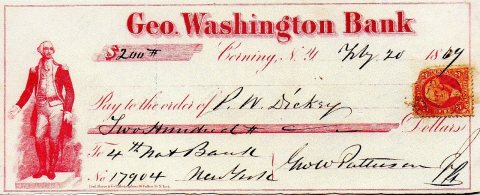 1869
 1873
 1873


