Founding year: Wikidata. First post office: 1830.The full story ↓
History grade
What drives Burns’ History grade
On its age, its old homes and the National Register, Burns is more historic than 93% of U.S. towns. All 3 inputs are above most U.S. towns; its share of homes from before 1940 ranks highest and its age lowest.
A
HistoryA character grade: shown, never part of Burns’ overall grade.
New York towns list more on the Register than most of the country (a typical New York town has 12.3 per 10,000 residents, the U.S. 2.4), so Burns’ 180 sits above most of its state (81% of New York towns have fewer) while its 16 historic buildings outnumber those of 78% of U.S. towns.
How sure. Graded on any two of the three inputs instead, the letter would range from A− to A. The pre-1940 share is a Census survey estimate (±8.7 points). Two sources give 1826.
Founding year: Wikidata (other dates in Quick answers). Homes: Census ACS 2020–24. National Register: National Park Service, May 2026 list; each listing counted once (boundary changes and added documentation belong to their listing), and a historic district counts its contributing buildings. How TownRatings grades history →
What stands out about Burns’ past
Read from the archive, the National Register and the record. The page puts what stands out first.
The area of Burns was first settled circa 1805. From the beginning, Canaseraga was the major settlement in the town. The town was formed in 1826 from part of the town of Ossian in Livingston County. Most people think that the town was named Burns because Canaseraga had a large fire that burned down much of the town. However, it was actually named after the Scottish romantic poet, Robert Burns.
Passages that mention Burns, cut from the printed page as they were published.
The songs of Robert Burns, now first printed with the melodies for which they were written1903 · page 410Read the page →
Read the text
ITo. 174. "Wi' braw new branks in meikle pride. Lockhart's Life of Burns, 1829. Burns has described the interest be felt in parish secrets as a statesman in the knowledge of European diplomacy at his finger ends. Hisfriends employed him as a confidential clerk to write their letters, and he acted the part of an unpaid French notaire in conducting their correspondence.
Text read by machine from the scan; it may contain errors.
Burns can have small pretensions to the name of poet." The success of Burns, the influence of his verse, would alone be enough to overturn all the systems of a thousand definers ; but the Doctor has obviously taken fiction in far too limited a sense. There are indeed but i<i\y of Burns's pieces in which he is found creating beings and circumstances, both alike alien from his own person and experience, and then by the power of invagination, divining and expressing what forms life and passion would assume with, and under these. — But there are some ; there is quite enough to sa-
Text read by machine from the scan; it may contain errors.
Of the historic or heroic ballads of Scotland it is unnecessary to speak. Burns has no where imitated them, a circumstance to be regretted, since in this species of composition, from its admitting the more' terrible, as well as the softer graces of poetry, he was eminently (pialilicd to have excelled. The Scottish songs which served as a model to Burns, are almost without
Text read by machine from the scan; it may contain errors.
The songs of Robert Burns, now first printed with the melodies for which they were written1903 · page 431Read the page →
Read the text
Lockhart, in his Life of Burns, 1828, relates the origin of the song, which he received from an Excise officer, to the effect that Burns was left on the Solway shore to watch the movements of the crew of a stranded smuggler, while his companion went for assistance to board the vessel. Burns got tired tramping the wet sands, and exercised himself in writing The deil's awa wi' the exciseman.
Text read by machine from the scan; it may contain errors.
Scans and text from the Internet Archive. Books published in 1930 or earlier, which are in the public domain.
Timeline
Burns, 1824 to 1946
Woven from the archive, old maps, post office records, the National Register and the people born here.
In 1826, according to Wikidata. Burns’ post office opened in 1830, and the census of 1830 counted 702 people here.
How does Burns rank for history?
Burns is more historic than 93% of U.S. towns. The History grade combines the town’s founding era, the share of homes built before 1940 and its National Register listings. It’s a character grade, so it isn’t part of the overall grade. How it works.
What is on the National Register in Burns?
One place: the Canaseraga Four Corners Historic District (listed 2002).
How old are the homes in Burns?
33% of Burns’ homes were built before 1940 (Census estimate, ±8.7 points), against a typical 27% for a New York town; the median home was built in 1969.
Founding dates: Wikidata, Wikipedia, the U.S. post office records of Blevins & Helbock (CC0) and the Census. Homes by year built: Census ACS 2020–24. National Register of Historic Places: National Park Service (list of May 22, 2026). Old photos, postcards and papers: Wikimedia Commons, the Library of Congress and other public archives, credited on each item’s page. Maps: U.S. Geological Survey historical topographic maps (via Esri) and Sanborn fire-insurance maps (Library of Congress). History text and census tables: Wikipedia (CC BY-SA 4.0). Places that used to be: USGS Geographic Names Information System (2021).
From Wikimedia Commons (2), the National Register of Historic Places (1), Wikipedia, Wikidata and Wikipedia for famous people, U.S. Geological Survey historical maps, U.S. Census counts (via Wikipedia), the US Post Offices dataset (Blevins & Helbock), the USGS Geographic Names Information System and old county and town histories (Internet Archive). Archive images are copied here with their credits and licenses, shown on each photo’s page. Refreshed monthly.


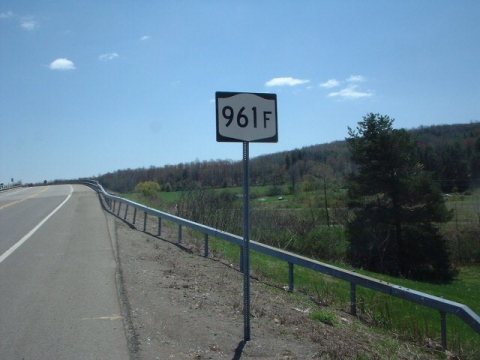 2003
 2003


