Founding year: the first Angola post office (Blevins & Helbock, CC0).The full story ↓
History grade
What drives Angola’s History grade
On its age, its old homes and the National Register, Angola is more historic than 81% of U.S. towns. Its share of homes from before 1940 holds the grade up; its National Register listings pull it down.
A−
HistoryA character grade: shown, never part of Angola’s overall grade.
New York towns list more on the Register than most of the country (a typical New York town has 12.3 per 10,000 residents, the U.S. 2.4), so Angola’s 4.1 sits below most of its state (32% of New York towns have fewer) while its 1 listings outnumber those of 51% of U.S. towns.
How sure. Graded on any two of the three inputs instead, the letter would range from B to A. The pre-1940 share is a Census survey estimate (±8.5 points). The founding year is the first post office, not a stated founding date.
Founding year: the first post office (other dates in Quick answers). Homes: Census ACS 2020–24. National Register: National Park Service, May 2026 list; each listing counted once (boundary changes and added documentation belong to their listing), and a historic district counts its contributing buildings. How TownRatings grades history →
What stands out about Angola’s past
Read from the archive, the National Register and the record. The page puts what stands out first.
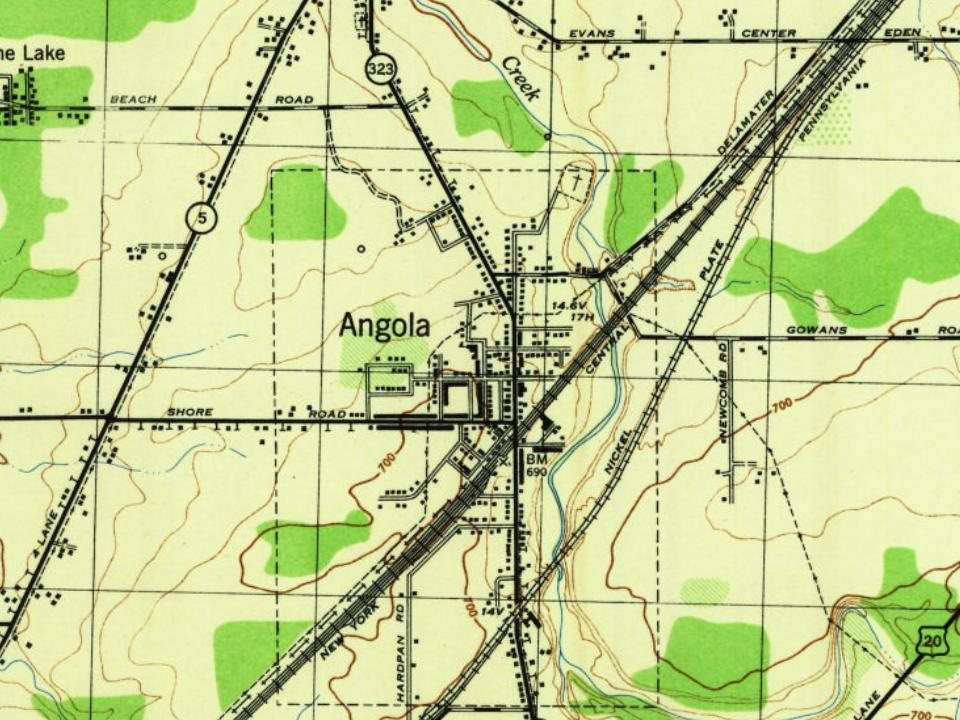
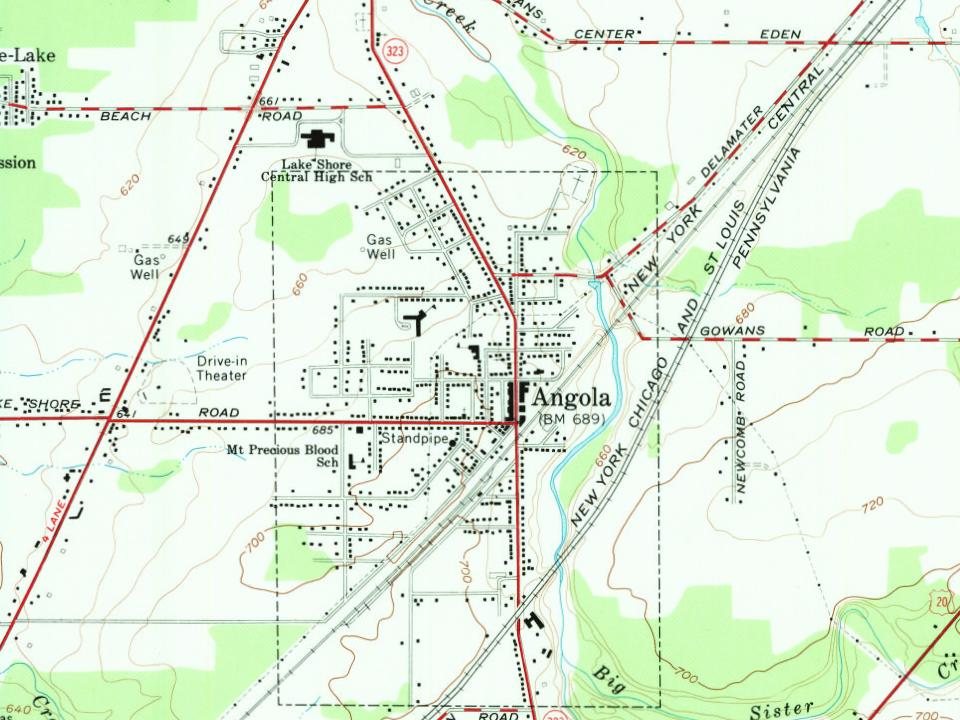
Every edition of the U.S. Geological Survey’s map of Angola. Tap a year, or press play to watch the town change.
1899Silver Creek sheet · 1:62,500
U.S. Geological Survey historical topographic maps (public domain), via Esri’s collection of the scans. The red ring marks the center of Angola.
Every building
Angola, building by building, 1907–1924
Fire insurance maps drew every building, what it was made of and what it was used for, so insurers could price the risk of fire. Pick a year, then a sheet.
1907Sheet 1 of 1
Edition
Sheets
BrickWoodStone
Sanborn Map Company, via the Library of Congress. Editions published in 1930 or earlier, which are in the public domain.
The community was previously called "Evans Station". Around 1854 or 1855, the earliest recorded reference to Angola is in an 1822 publication, when it was one of 3 townships divided from Collins. A post office was established there in 1822 bearing the name "Angola". The first postmaster was Jacob Taylor, a Quaker. The new name was apparently chosen because, at that time, local residents (primarily Quakers) were supporting missionary efforts in the Portuguese colony of Angola in Africa. The economy of the village improved with the arrival of a railroad line in 1852.
Passages that mention Angola, cut from the printed page as they were published.
History of the original town of Concord1883 · page 900Read the page →
Read the text
After this he practiced law for four years in the village of Angola, then gave up the practice and engaged in mercantile and lumbering business, in the town of Brant for about eleven years, during which time he held the ofifice of Supervisor of the town for nine years. In the Fall of 1877, he was elected County Judge in place of Hon. George W. Cothran, who was appointed by the Governor to fill the vacancy caused by the resignation of Hon. Albert Haight, and re-elected in the Fall of 1878.
Text read by machine from the scan; it may contain errors.
History of the original town of Concord1883 · page 906Read the page →
Read the text
Mr. Oatman's father, Lyman Oatman, was born in Hartford, Washington county, N. Y., Oct. 21, 18 16, and came to Evans, N. Y., in May, 1848. He built the first store, which was also the second building put up in what is now Angola, but was then a wilderness region. He conducted mercantile and other pursuits in Angola until his death in 1877, Sept. 9. Mr. Oatman was not only an early pioneer, but an active and prominent person in the public affairs relating to his region. He was
Text read by machine from the scan; it may contain errors.
Scans and text from the Internet Archive. Books published in 1930 or earlier, which are in the public domain.
Timeline
Angola, 1867 to 1993
Woven from the archive, old maps, post office records, the National Register and the people born here.
Nothing in the archives for these yearsWeddings on Main Street, storms, parades, school pictures, the old store. If it’s in your family album, it belongs here.
The Angola post office opened in 1822, the earliest record of the town by name (U.S. post office records).
How does Angola rank for history?
Angola is more historic than 81% of U.S. towns. The History grade combines the town’s founding era, the share of homes built before 1940 and its National Register listings. It’s a character grade, so it isn’t part of the overall grade. How it works.
How old are the homes in Angola?
36% of Angola’s homes were built before 1940 (Census estimate, ±8.5 points), against a typical 27% for a New York town; the median home was built in 1954.
Founding dates: Wikidata, Wikipedia, the U.S. post office records of Blevins & Helbock (CC0) and the Census. Homes by year built: Census ACS 2020–24. National Register of Historic Places: National Park Service (list of May 22, 2026). Old photos, postcards and papers: Wikimedia Commons, the Library of Congress and other public archives, credited on each item’s page. Maps: U.S. Geological Survey historical topographic maps (via Esri) and Sanborn fire-insurance maps (Library of Congress). History text and census tables: Wikipedia (CC BY-SA 4.0). Places that used to be: USGS Geographic Names Information System (2021).
From Wikimedia Commons (6), Wikipedia, Wikidata and Wikipedia for famous people, U.S. Geological Survey historical maps, U.S. Census counts (via Wikipedia), Sanborn fire insurance maps (Library of Congress) and old county and town histories (Internet Archive). Archive images are copied here with their credits and licenses, shown on each photo’s page. Refreshed monthly.




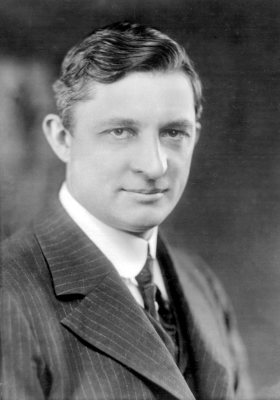


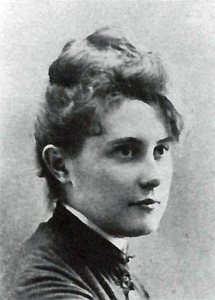
 1880
 2014
 2010
 2006