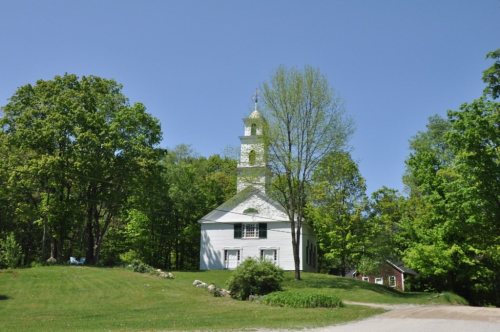
Its Register listings are the Matthew Harvey House, the Pillsbury Memorial Hall and the South Sutton Meeting House. Below: 3 old photos and papers, maps from 1928 on, and the census since 1790.
Founding year: Wikidata. First post office: 1818.The full story ↓
History grade
What drives Sutton’s History grade
On its age, its old homes and the National Register, Sutton is more historic than 85% of U.S. towns. All 3 inputs are above most U.S. towns; its share of homes from before 1940 ranks highest and its National Register listings lowest.
A−
HistoryA character grade: shown, never part of Sutton’s overall grade.
New Hampshire towns list more on the Register than most of the country (a typical New Hampshire town has 9.5 per 10,000 residents, the U.S. 2.4), so Sutton’s 13.4 sits near the middle of its state (52% of New Hampshire towns have fewer) while its 3 listings outnumber those of 65% of U.S. towns.
NoteThe founding year comes from Wikidata alone; no second source gives 1784.
How sure. Graded on any two of the three inputs instead, the letter would range from B+ to A. The pre-1940 share is a Census survey estimate (±12.1 points).
Founding year: Wikidata (other dates in Quick answers). Homes: Census ACS 2020–24. National Register: National Park Service, May 2026 list; each listing counted once (boundary changes and added documentation belong to their listing), and a historic district counts its contributing buildings. How TownRatings grades history →
What stands out about Sutton’s past
Read from the archive, the National Register and the record. The page puts what stands out first.
The town was granted in 1749 by the Masonian Proprietors to inhabitants of Haverhill, Newbury, and Bradford, Massachusetts, as well as Kingston, New Hampshire. It was called "Perrystown" after Obadiah Perry, one of the proprietors. But the French and Indian War delayed settlement until 1767, when David Peaslee arrived. Many proprietors forfeited their claims, even with an extension in 1773, so the town was regranted in 1784. The second group of settlers were from Sutton, Massachusetts, source of the town's current name.
In 1981, the world’s first paintball facility was opened in Sutton. The facilities were operated by Bob Gurnsey, one of the inventors of paintballing. The facility closed in 1985.
Passages that mention Sutton, cut from the printed page as they were published.
The history of Sutton, New Hampshire1890 · page 1028Read the page →
Read the text
About an eighth of a mile np the South Sutton road from its junction with the North Sutton road on the north side, David Peaslee, above mentioned, made the first settlement in the town of Sutton. The site is now covered with forest, and is marked only by a few surviving apple-trees. All these places named, westwardly from the Grange, are now inckided in the Eaton estate.
Text read by machine from the scan; it may contain errors.
Eaton Gi'ange, the summer home of the sons and daughters o£ John Eaton, is located in the south-eastern part of the town of Sutton, on the road from South Sutton to Warner, near the highest point of Kimball's hiU, so called from Caleb Kimball, its first settler, who is supposed to have come here about 1780— '81. The altitude of the site is some twelve hundred feet above sea level. The air is breezy, cool, and most healthfid. The roads are hilly, but the drives are embowered with trees, shady and attractive, and the views from the
Text read by machine from the scan; it may contain errors.
Scans and text from the Internet Archive. Books published in 1930 or earlier, which are in the public domain.
Timeline
Sutton, 1780 to 2020
Woven from the archive, old maps, post office records, the National Register and the people born here.
In 1784, according to Wikidata. Sutton’s post office opened in 1818, and the first U.S. census counted 520 people here in 1790.
How does Sutton rank for history?
Sutton is more historic than 85% of U.S. towns. The History grade combines the town’s founding era, the share of homes built before 1940 and its National Register listings. It’s a character grade, so it isn’t part of the overall grade. How it works.
What is on the National Register in Sutton?
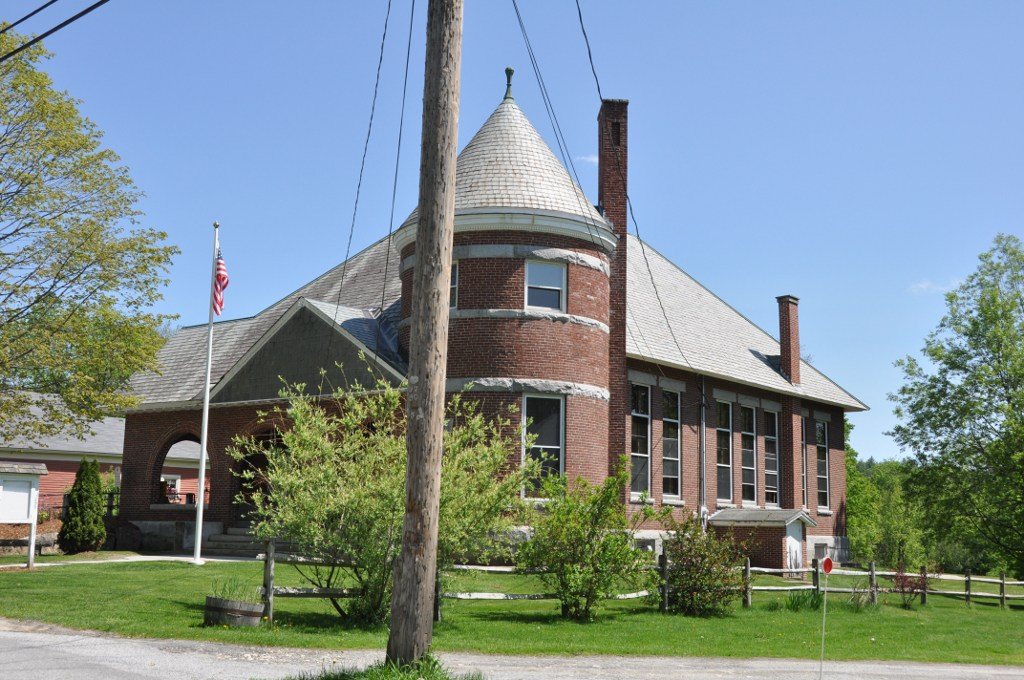
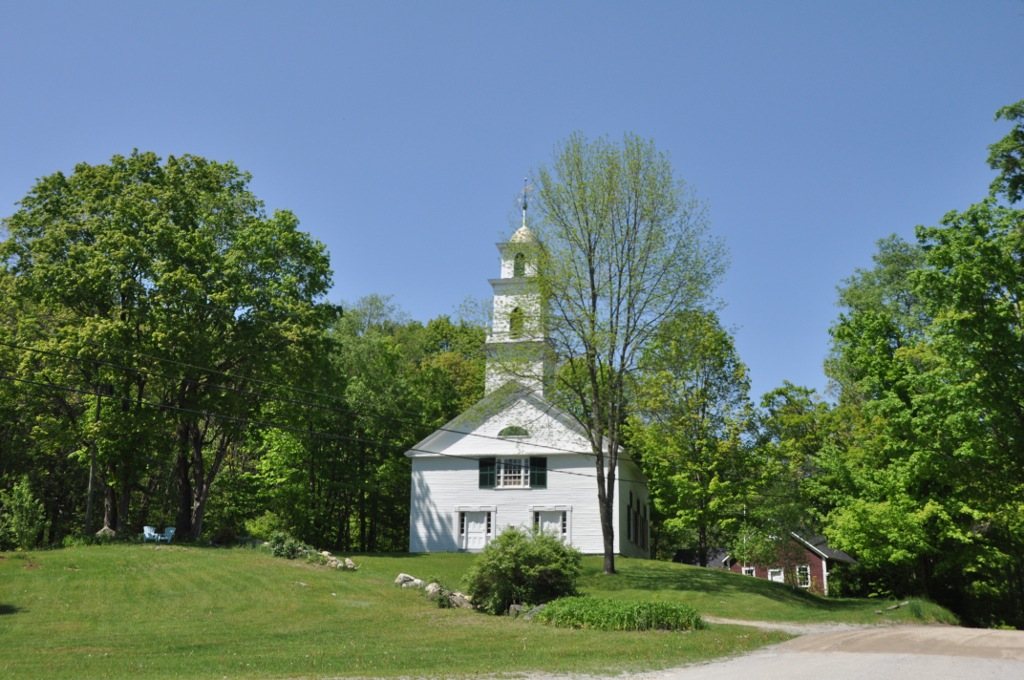
Three places: the Matthew Harvey House (listed 1992), the Pillsbury Memorial Hall (1993) and the South Sutton Meeting House (1993).
How old are the homes in Sutton?
29% of Sutton’s homes were built before 1940 (Census estimate, ±12.1 points), against a typical 17% for a New Hampshire town; the median home was built in 1971.
Founding dates: Wikidata, Wikipedia, the U.S. post office records of Blevins & Helbock (CC0) and the Census. Homes by year built: Census ACS 2020–24. National Register of Historic Places: National Park Service (list of May 22, 2026). Old photos, postcards and papers: Wikimedia Commons, the Library of Congress and other public archives, credited on each item’s page. Maps: U.S. Geological Survey historical topographic maps (via Esri) and Sanborn fire-insurance maps (Library of Congress). History text and census tables: Wikipedia (CC BY-SA 4.0). Places that used to be: USGS Geographic Names Information System (2021).
From Wikimedia Commons (11), Wikidata (1), the National Register of Historic Places (3), Wikipedia, Wikidata and Wikipedia for famous people, U.S. Geological Survey historical maps, U.S. Census counts (via Wikipedia), the US Post Offices dataset (Blevins & Helbock), the USGS Geographic Names Information System and old county and town histories (Internet Archive). Archive images are copied here with their credits and licenses, shown on each photo’s page. Refreshed monthly.




 Date?
 Date?
 Date?
 2018
 2018
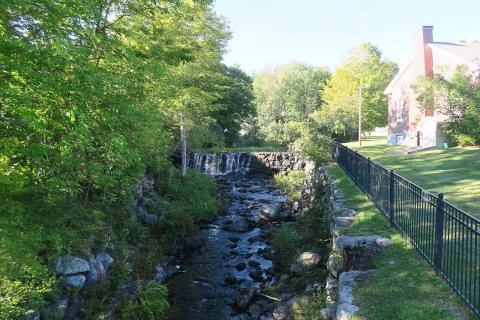 2018
 2017
 2017
 2017
 2012
 2012