Guest, Sign inJoin

Post to Winston-Salem

We’ll email a one-tap link to publish your post. No password, and nothing is public until you click it.
Already a member? Sign in
AHistory
History · Winston-Salem

Winston-Salem dates to 1766, and 87 of its places are on the National Register

More historic than 89% of U.S. towns · #13 of 290 in North Carolina. What drives it

Most of Winston-Salem was built recently: 8% of its homes predate 1940 and the median home dates from 1981. 87 places in town are on the National Register, among them 4 National Historic Landmarks and ten historic districts with 6,062 buildings between them. Below: 6 old photos and papers, maps from 1950 on, and the census since 1870.

1766founded
87on the National Register
8%homes built before 1940
6old photos & papers
36famous people
From Winston-Salem’s archive · credits on each photo
Quick answers

How Winston-Salem began

When was Winston-Salem founded?

1766

Winston-Salem dates its founding to 1766 (Wikidata). The census first counted it in 1870.

First census: 443 in 18702020 census: 249,545260 years

How historic is Winston-Salem?

A

More historic than 89% of U.S. towns, on its age, its old homes and the National Register.

What drives the grade ↓
Founding year: Wikidata. First post office: 1792.The full story ↓
History grade

What drives Winston-Salem’s History grade

On its age, its old homes and the National Register, Winston-Salem is more historic than 89% of U.S. towns, #13 of 290 in North Carolina. Its age holds the grade up; its share of homes from before 1940 pulls it down.

A
HistoryA character grade: shown, never part of Winston-Salem’s overall grade.
All U.S. towns we grade (21,289)Ahead of 89%
NewerOlder
North Carolina towns of 2,500+ (290)Ahead of 96%

Among the 400 U.S. cities of 100,000 or more, Winston-Salem ranks #70 on History.

North Carolina towns list more on the Register than most of the country (a typical North Carolina town has 12.5 per 10,000 residents, the U.S. 2.4), so Winston-Salem’s 245 sits above most of its state (87% of North Carolina towns have fewer) while its 6,182 historic buildings outnumber those of 100% of U.S. towns.

NoteThe founding year comes from Wikidata alone; no second source gives 1766.
How sure. Graded on any two of the three inputs instead, the letter would range from A− to A+. The pre-1940 share (±0.6 points) is firm at this size.

Founding year: Wikidata (other dates in Quick answers). Homes: Census ACS 2020–24. National Register: National Park Service, May 2026 list; each listing counted once (boundary changes and added documentation belong to their listing), and a historic district counts its contributing buildings. How TownRatings grades history →

What stands out about Winston-Salem’s past

Read from the archive, the National Register and the record. The page puts what stands out first.

★ What stands out · On the National Register

87 listings protect 6,182 historic buildings

The country’s official list of buildings and places worth saving. 4 are National Historic Landmarks, the highest tier. Boundary changes and added documentation are counted with their listing.

places listed
87
National Historic Landmarks
4
Salem Tavern
historic buildings protected
6,182
each building in a district counts
first listed
1966
Salem Tavern
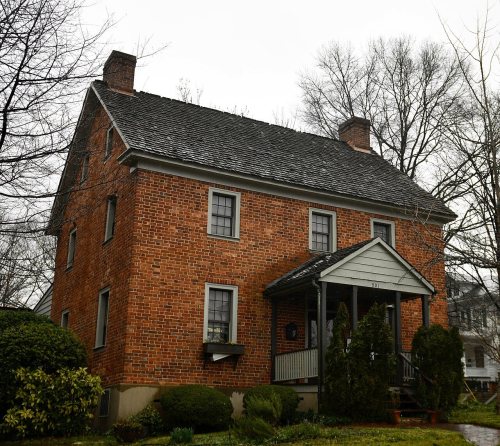
Bethabara Moravian ChurchZevely HouseShell Service StationArista Cotton Mill Complex, built 1880Smith, W. F., and Sons Leaf House and Brown Brothers Company Building, built 1895Shamrock Mills, built 1925H. D. Poindexter Houses, built 1892Graylyn, built 1927J. S. Hill HouseS. G. Atkins HouseReynolda Historic DistrictJames Mitchell Rogers House, built 1885Gilmer Building, built 1926Col. Jacob Lott Ludlow HouseNissen Building, built 1926HylehurstWashovia Bank and Trust Company Building, built 1911O'Hanlon BuildingSpruce Street YMCA, built 1927Joseph Franklin Bland House, built 1937Cicero Francis Lowe HouseWilliam Allen Blair HouseConrad-Starbuck HouseReynolds, Richard J., High School and Richard J. Reynolds Memorial Auditorium, built 1923Brickenstein-Leinbach HouseSt. Philip's Moravian ChurchWinston-Salem Southbound Railway Freight Warehouse and OfficeA. Robinson BuildingCraver Apartment BuildingGoler Memorial African Methodist Episcopal Zion ChurchLloyd Presbyterian ChurchUnion StationGoler Metropolitan AME Zion ChurchMars Hill Baptist ChurchIndera Mills, built 1907Atkins High School (former), built 1931George Black House and BrickyardJohn Wesley Snyder House, built 1940Agnew Hunter Bahnson HouseWachovia BuildingWinston-Salem City HallHolly Avenue Historic DistrictOak Grove SchoolArdmore Historic DistrictHanes, P.H., Knitting CompanyChristian Thomas Shultz HouseDyer, James B. and Diana M., HOuseS.J. Nissen BuildingCenterville Historic DistrictChatham Manufacturing Company-Western Electric Company, built 1860Robert M. Hanes House, built 1927Forsyth County CourthouseHoots Milling Company Roller Mill, built 1937Thurmond and Lucy Chatham HouseReynolds Building, built 1929Pepper BuildingHanes Hosiery Mill-Ivy Avenue PlantDr. Beverly Jones HouseSouth Trade Street Houses, built 1856Paisley J. W., HouseSalem Town HallSosnik-Morris-Early Commercial BlockWest End Historic DistrictWashington Park Historc DistrictBrown, W.C., Apartment BuildingMiddleton House, built 1930Downtown North Historic DistrictNorth Cherry Street Historic DistrictWest Salem Historic DistrictWaughtown-Belview Historic DistrictReynoldstown Historic DistrictSunnyside-Central Terrace Historic DistrictOak Crest Historic DistrictReynolds, R.J., Tobacco Company Buildings 2-1 and 2-2Bunyan S. and Edith W. Womble HouseEvergreen FarmSt. Paul’s Episcopal ChurchDowntown Winston-Salem Historic DistrictAlexander S. and Mary R. Hanes HouseCoan-Gray HouseWinston Lake Golf CourseR. J. Reynolds Tobacco Company Buildings 82 and 83Salem Tavern, built 1784★Old Salem Historic District★Single Brothers' House, built 1769★Bethabara Historic District★
BuildingsDistrictsSites★ landmark

Architectural styles listings

Colonial Revival16
Queen Anne10
Bungalow/Craftsman9
Classical Revival8
Minimal Traditional6
Period Cottage5
All 87 listings
Smith, W. F., and Sons Leaf House and Brown Brothers Company BuildingBuilding · listed 1978Shamrock MillsBuilding · listed 1978H. D. Poindexter HousesBuilding · listed 1978GraylynBuilding · listed 1978J. S. Hill HouseBuilding · listed 1979S. G. Atkins HouseBuilding · listed 1979Reynolda Historic DistrictDistrict · listed 1980James Mitchell Rogers HouseBuilding · listed 1982Gilmer BuildingBuilding · listed 1982Col. Jacob Lott Ludlow HouseBuilding · listed 1983Nissen BuildingBuilding · listed 1983HylehurstBuilding · listed 1983Washovia Bank and Trust Company BuildingBuilding · listed 1984O'Hanlon BuildingBuilding · listed 1984Spruce Street YMCABuilding · listed 1984Joseph Franklin Bland HouseBuilding · listed 1984Cicero Francis Lowe HouseBuilding · listed 1984William Allen Blair HouseBuilding · listed 1985Conrad-Starbuck HouseBuilding · listed 1990Reynolds, Richard J., High School and Richard J. Reynolds Memorial AuditoriumBuilding · listed 1991Brickenstein-Leinbach HouseBuilding · listed 1991St. Philip's Moravian ChurchBuilding · listed 1991Winston-Salem Southbound Railway Freight Warehouse and OfficeBuilding · listed 1991A. Robinson BuildingBuilding · listed 1998Craver Apartment BuildingBuilding · listed 1998Goler Memorial African Methodist Episcopal Zion ChurchBuilding · listed 1998Lloyd Presbyterian ChurchBuilding · listed 1998Union StationBuilding · listed 1998Goler Metropolitan AME Zion ChurchBuilding · listed 1999Mars Hill Baptist ChurchBuilding · listed 1999Indera MillsBuilding · listed 1999Atkins High School (former)Building · listed 1999George Black House and BrickyardBuilding · listed 2000John Wesley Snyder HouseBuilding · listed 2000Agnew Hunter Bahnson HouseBuilding · listed 2001Wachovia BuildingBuilding · listed 2001Winston-Salem City HallBuilding · listed 2001Holly Avenue Historic DistrictDistrict · listed 2002Oak Grove SchoolBuilding · listed 2002Ardmore Historic DistrictDistrict · listed 2004Hanes, P.H., Knitting CompanyBuilding · listed 2005Christian Thomas Shultz HouseBuilding · listed 2005Dyer, James B. and Diana M., HOuseBuilding · listed 2006S.J. Nissen BuildingBuilding · listed 2007Centerville Historic DistrictDistrict · listed 2008Chatham Manufacturing Company-Western Electric CompanyBuilding · listed 2011Robert M. Hanes HouseBuilding · listed 2012Forsyth County CourthouseBuilding · listed 2013Hoots Milling Company Roller MillBuilding · listed 2014Thurmond and Lucy Chatham HouseBuilding · listed 2014Reynolds BuildingBuilding · listed 2014Pepper BuildingBuilding · listed 2014Hanes Hosiery Mill-Ivy Avenue PlantBuilding · listed 2016Dr. Beverly Jones HouseBuilding · listed 1978South Trade Street HousesBuilding · listed 1978Paisley J. W., HouseBuilding · listed 1979Salem Town HallBuilding · listed 1983Sosnik-Morris-Early Commercial BlockBuilding · listed 1984West End Historic DistrictDistrict · listed 1986Washington Park Historc DistrictDistrict · listed 1992Brown, W.C., Apartment BuildingBuilding · listed 1998Middleton HouseBuilding · listed 2000Downtown North Historic DistrictDistrict · listed 2002North Cherry Street Historic DistrictDistrict · listed 2004West Salem Historic DistrictDistrict · listed 2005Waughtown-Belview Historic DistrictDistrict · listed 2005Reynoldstown Historic DistrictDistrict · listed 2008Sunnyside-Central Terrace Historic DistrictDistrict · listed 2008Oak Crest Historic DistrictDistrict · listed 2016Reynolds, R.J., Tobacco Company Buildings 2-1 and 2-2Building · listed 2017Bunyan S. and Edith W. Womble HouseBuilding · listed 2019Evergreen FarmDistrict · listed 2019St. Paul’s Episcopal ChurchBuilding · listed 2020Downtown Winston-Salem Historic DistrictDistrict · listed 2022Alexander S. and Mary R. Hanes HouseBuilding · listed 2023Coan-Gray HouseBuilding · listed 2023Winston Lake Golf CourseSite · listed 2023R. J. Reynolds Tobacco Company Buildings 82 and 83Building · listed 2024Bahnson Company BuildingBuilding · listed 2026

National Park Service, National Register of Historic Places. Photos from Wikimedia Commons, credited on each place’s page.

Places that used to be

Lost post offices, old corners, places now gone and burying grounds

Winston-Salem’s post office has been open since 1899. 12 other post offices opened and closed inside today’s town.

Salem
1792–1899
Waughtown
1827–1867
Bethabara
1832–1835
Winston
1851–1899
Charlestown
1856–1856
Mount Tabor
1857–1866
Oldtown
1859–1920
Forsythe
1888–1888
Pfafftown
1888–today
Oak Summit
1891–1903
17901910today
Hamlets and corners on the map
AlspaughArcadiaArdmoreAtwoodAtwood AcresBethania StationBon AirBriarcliff ManorBrook HollowBrookwoodBuena VistaBurke ParkChalk LevelCityviewColumbia HeightsCountry MeadowsCreek ViewEast WinstonEaston ViewFive PointsForest HillsFour SeasonsFox HallFrontis
Gone or out of use
CharlestonlocaleNorth QuarrymineNorthwest AirstripairportSummit School AirportairportWedgewood AirportairportWinston-Salem Air Force Stationmilitary
11cemeteries and burying grounds inside Winston-Salem
Advente Moravian God's AcreBellevueEvergreenForsyth Memorial ParkOaklawn Memorial GardensOdd FellowsOgburnParklawn Memorial ParkPiedmont Memorial GardensSalemWoodland

US Post Offices dataset (Blevins & Helbock, CC0). Places and cemeteries from the USGS Geographic Names Information System (2021).

The story

How Winston-Salem came to be

From Wikipedia’s history of Winston-Salem.

Read it all →

Various tribes, such as the Cheraw and the Keyauwee, inhabited the area. Followers of the Moravian Church had interacted with Cherokees. The city of Winston-Salem is a product of the merging of the two neighboring towns of Winston and Salem in 1913.

The origin of the town of Salem dates to 1753, when Bishop August Gottlieb Spangenberg, on behalf of the Moravian Church, selected a settlement site in the three forks of Muddy Creek. He called this area "die Wachau" (Latin form Wachovia) after the ancestral estate of Count Nicolaus Ludwig von Zinzendorf.

The land, just short of 99,000 acres (400 km2), was subsequently purchased from John Carteret, 2nd Earl Granville.

Text from Wikipedia, licensed CC BY-SA 4.0.

Timeline

Winston-Salem, 1766 to 1966

Woven from the archive, old maps, post office records, the National Register and the people born here.

  1. 18th century
  2. 1766
    FoundingWinston-Salem is established
  3. 1769BuiltSingle Brothers' House is built
  4. 1784BuiltSalem Tavern is built
  5. 1792Post officeThe Salem post office opens
  6. 19th century
  7. 1827Post officeThe Waughtown post office opens
  8. 1832Post officeThe Bethabara post office opens
  9. 1835Post officeThe Bethabara post office closes
  10. 1867Post officeThe Waughtown post office closes
  11. 1880BuiltArista Cotton Mill Complex is built
  12. 1890In the archiveWachovia Loan And Trust Company Building
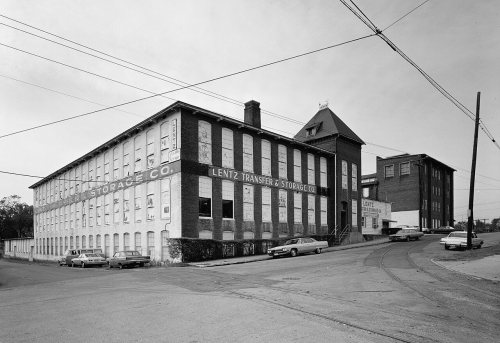
  13. 1895BuiltSmith, W. F., and Sons Leaf House and Brown Brothers Company Building is built
  14. 1899Post officeThe Salem post office closes
  15. 20th century
  16. 1905In the archiveKsrhoneymoon1905 2
  17. 1912In the archiveAdvertisement by the side of the railroad, Inverness Mills, Winston Salem, N.C.The homes …
  18. 1949Born herePam Grier is born here
  19. 1950On the mapFirst mapped by the U.S. Geological Survey
  20. 1964LandmarkSalem Tavern named a National Historic Landmark
  21. 1966LandmarkOld Salem Historic District named a National Historic Landmark
By decade

Winston-Salem, decade by decade

3 decades in the archive, from the 1890s to the 1910s. Scroll each row; tap a photo for its story.

1920s–1990snothing yet
Nothing in the archives for these yearsWeddings on Main Street, storms, parades, school pictures, the old store. If it’s in your family album, it belongs here.
Add from your album
On the map

Winston-Salem on the map, 1950 to 1994

Every edition of the U.S. Geological Survey’s map of Winston-Salem. Tap a year, or press play to watch the town change.

Winston-Salem on the 1950 USGS mapWinston-Salem on the 1971 USGS mapWinston-Salem on the 1987 USGS mapWinston-Salem on the 1994 USGS map1950Winston-Salem East sheet · 1:24,000

U.S. Geological Survey historical topographic maps (public domain), via Esri’s collection of the scans. The red ring marks the center of Winston-Salem.

Then & now

The same spot, years apart

Drag across each photo to compare.

8 West Third StreetWachovia Loan And Trust Company Building1890Today
Wachovia Loan And Trust Company BuildingMatched from the two captions
People over time

Winston-Salem, census by census

020,00040,00060,00080,000100,000120,000140,000160,000180,000200,000220,000240,000260,00018801900192019401960198020002020249,545

Grew from 443 people in 1870 to 249,545 in 2020, more than tenfold.

16 censuses, 1870–2020.

U.S. Census Bureau decennial counts, from the census table on Winston-Salem’s Wikipedia page.

Famous people

36 famous people were born in Winston-Salem

Writers, athletes, leaders and more, ranked by how widely they’re known.

See all →
Help out

Finish Winston-Salem’s story

Most archives stop around 1920. The photos from after that are in family albums, not libraries.

Decades since 1900 with photos
00s10s20s30s40s50s60s70s80s90s
2 of 10 decades. The empty ones are waiting for someone’s album.
Stories next door

History across the town line

Each neighbor’s History grade, on the same three inputs.

Questions about Winston-Salem’s history

What year was Winston-Salem founded?

In 1766, according to Wikidata. Winston-Salem’s post office opened in 1792, and the census of 1870 counted 443 people here.

How does Winston-Salem rank for history?

Winston-Salem is more historic than 89% of U.S. towns, #13 of 290 in North Carolina. The History grade combines the town’s founding era, the share of homes built before 1940 and its National Register listings. It’s a character grade, so it isn’t part of the overall grade. How it works.

What is on the National Register in Winston-Salem?

87 listings, 4 of them National Historic Landmarks: 69 buildings, among them the Salem Tavern (a National Historic Landmark since 1964), 17 historic districts with 6,062 contributing buildings, and 1 site. 6,182 historic buildings in all.

How old are the homes in Winston-Salem?

8% of Winston-Salem’s homes were built before 1940 (Census estimate), against a typical 4.1% for a North Carolina town; the median home was built in 1981.

Memory lane

What the archives can’t tell you, neighbors can.

Town Square →
Start a conversation
Sources

Where this page comes from

Founding dates: Wikidata, Wikipedia, the U.S. post office records of Blevins & Helbock (CC0) and the Census. Homes by year built: Census ACS 2020–24. National Register of Historic Places: National Park Service (list of May 22, 2026). Old photos, postcards and papers: Wikimedia Commons, the Library of Congress and other public archives, credited on each item’s page. Maps: U.S. Geological Survey historical topographic maps (via Esri) and Sanborn fire-insurance maps (Library of Congress). History text and census tables: Wikipedia (CC BY-SA 4.0). Places that used to be: USGS Geographic Names Information System (2021).

From Wikimedia Commons (6), Wikidata (6), the National Register of Historic Places (87), Wikipedia, Wikidata and Wikipedia for famous people, U.S. Geological Survey historical maps, U.S. Census counts (via Wikipedia), the US Post Offices dataset (Blevins & Helbock) and the USGS Geographic Names Information System. Archive images are copied here with their credits and licenses, shown on each photo’s page. Refreshed monthly.