Washington dates to 1776, and 13% of its homes were built before 1940
More historic than 88% of U.S. towns · #18 of 290 in North Carolina. What drives it
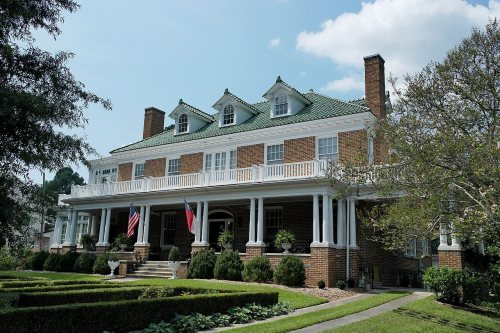
6 places in town are on the National Register, among them two historic districts with 825 buildings between them. Below: 6 old photos and papers, maps from 1903 on, and the census since 1850.
Founding year: Wikidata. First post office: 1788.The full story ↓
History grade
What drives Washington’s History grade
On its age, its old homes and the National Register, Washington is more historic than 88% of U.S. towns, #18 of 290 in North Carolina. All 3 inputs are above most U.S. towns; its National Register listings ranks highest and its share of homes from before 1940 lowest.
A
HistoryA character grade: shown, never part of Washington’s overall grade.
North Carolina towns list more on the Register than most of the country (a typical North Carolina town has 12.5 per 10,000 residents, the U.S. 2.4), so Washington’s 853 sits above most of its state (97% of North Carolina towns have fewer) while its 830 historic buildings outnumber those of 98% of U.S. towns.
NoteThe founding year comes from Wikidata alone; no second source gives 1776.
How sure. Graded on any two of the three inputs instead, the letter would range from B+ to A+. The pre-1940 share is a Census survey estimate (±3.4 points).
Founding year: Wikidata (other dates in Quick answers). Homes: Census ACS 2020–24. National Register: National Park Service, May 2026 list; each listing counted once (boundary changes and added documentation belong to their listing), and a historic district counts its contributing buildings. How TownRatings grades history →
What stands out about Washington’s past
Read from the archive, the National Register and the record. The page puts what stands out first.
The settlement at the current location of the city was founded in the 1770s by James Bonner on his land and was known as Forks of the Tar. In 1776, it was renamed Washington. During the American Revolutionary War, Washington served as a supply port when major neighboring ports were under British siege.
Passages that mention Washington, cut from the printed page as they were published.
The boy patriot. A story of Jack, the young friend of Washington1900 · page 107Read the page →
Read the text
Washington led the army a little way up the river, the drums and fifes silent, until he reached the present site of the village of Taylorsville, which is about eight miles above the city of Trenton, but on the Pennsylvania side. If you ever ride northward from the capital of New Jersey, over the Belvidere Division of the Pennsylvania Railway, the train will halt at a station
Text read by machine from the scan; it may contain errors.
night. Not the least important of the many claims upon his time was the superintendence of the erection of the public buildings in the future city of Washington, or, the Federal City, as it was then called. At that time it was practically nothing but a spot on the map, and not much more than a beginning had been made upon the plans, yet Washington saw the
Text read by machine from the scan; it may contain errors.
Washington stationed his forces near Wilmington, Delaware, immediately upon leaving Philadelphia, and for about two weeks he watched the enemy, skirmishing with their advance guard as they moved forward and falling back slowly while he searched for a favorable position at which to check their march. Between them and Philadelphia, and
Text read by machine from the scan; it may contain errors.
The boy patriot. A story of Jack, the young friend of Washington1900 · page 98Read the page →
Read the text
entered the tent of Washington, who had two callers — Generals Greene and Sullivan, both in the prime of life. The famous Quaker leader from Rhode Island was handsome and bore no slight resemblance to Washington himself.
Text read by machine from the scan; it may contain errors.
Scans and text from the Internet Archive. Books published in 1930 or earlier, which are in the public domain.
Timeline
Washington, 1776 to 1937
Woven from the archive, old maps, post office records, the National Register and the people born here.
Nothing in the archives for these yearsWeddings on Main Street, storms, parades, school pictures, the old store. If it’s in your family album, it belongs here.
In 1776, according to Wikidata. Washington’s post office opened in 1788, and the census of 1850 counted 2,015 people here.
How does Washington rank for history?
Washington is more historic than 88% of U.S. towns, #18 of 290 in North Carolina. The History grade combines the town’s founding era, the share of homes built before 1940 and its National Register listings. It’s a character grade, so it isn’t part of the overall grade. How it works.
What is on the National Register in Washington?
6 listings: 4 buildings, among them the Bank of Washington, West End Branch (listed 1971, the first), and 2 historic districts, the North Market Street Historic District and the Washington Historic District, with 825 contributing buildings. 830 historic buildings in all.
How old are the homes in Washington?
13% of Washington’s homes were built before 1940 (Census estimate, ±3.4 points), against a typical 4.1% for a North Carolina town; the median home was built in 1972.
Founding dates: Wikidata, Wikipedia, the U.S. post office records of Blevins & Helbock (CC0) and the Census. Homes by year built: Census ACS 2020–24. National Register of Historic Places: National Park Service (list of May 22, 2026). Old photos, postcards and papers: Wikimedia Commons, the Library of Congress and other public archives, credited on each item’s page. Maps: U.S. Geological Survey historical topographic maps (via Esri) and Sanborn fire-insurance maps (Library of Congress). History text and census tables: Wikipedia (CC BY-SA 4.0). Places that used to be: USGS Geographic Names Information System (2021).
From Wikimedia Commons (2), the Library of Congress (4), the National Register of Historic Places (6), Wikipedia, Wikidata and Wikipedia for famous people, U.S. Geological Survey historical maps, U.S. Census counts (via Wikipedia), the US Post Offices dataset (Blevins & Helbock), the USGS Geographic Names Information System and old county and town histories (Internet Archive). Archive images are copied here with their credits and licenses, shown on each photo’s page. Refreshed monthly.




 1938
 1938
 1938
 1938

