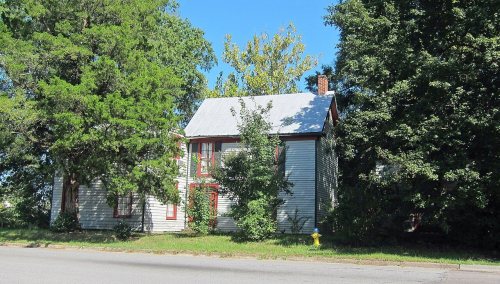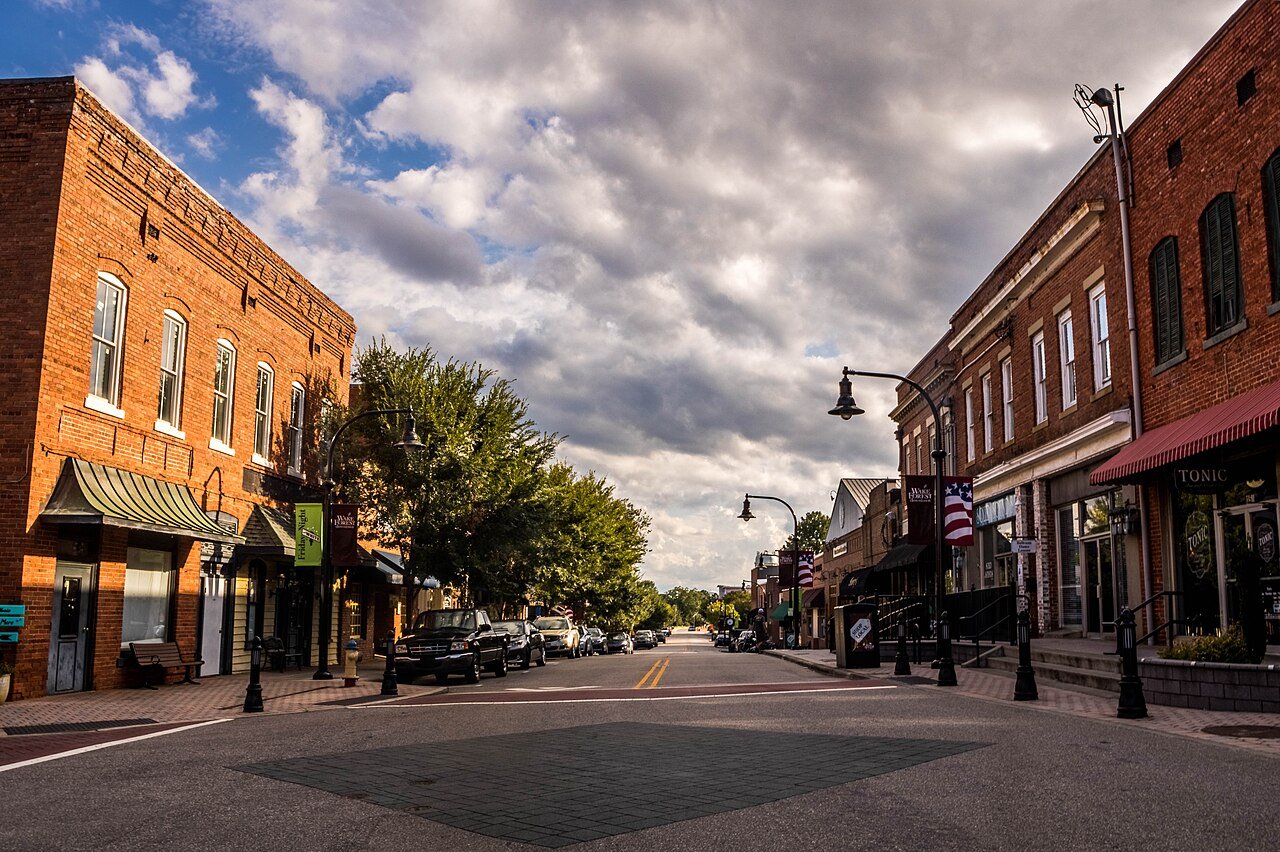
203 years in pictures
Census counts: 456 in 1880, 47,601 in 2020. The archive holds 10 old photos and papers going back to 1820 and 4 maps from 1967 on.
18 places on the National Register of Historic Places.
- 1823Wake Forest is settled
Each edition grades its towns against each other only.

Wake Forest grades A− overall, ranked 24th of 286 in North Carolina, with clear strengths and some subjects that lag. Residents are healthier than 94% of U.S. towns on CDC estimates and the median household earns $124K. It also does better than most on schools: its public schools beat 75% of North Carolina towns on state tests and graduation. Its lowest everyday mark is in cost of living: homes are expensive, about $504K for a typical one and 5 times the Raleigh metro’s $100K median household income. 60% of adults 25 and older hold a bachelor’s degree or more in Wake Forest, above both the North Carolina town median (29%) and the median of U.S. towns (29%). Its National Register listings include Lea Laboratory and Wake Forest Historic District. On the outdoors, just 20 of North Carolina’s 451 towns do better.
Where Wake Forest beats most towns.
Census counts: 456 in 1880, 47,601 in 2020. The archive holds 10 old photos and papers going back to 1820 and 4 maps from 1967 on.
18 places on the National Register of Historic Places.
Each subject compared with towns across the country (schools within North Carolina), ordered by how far Wake Forest is from typical.
How TownRatings grades towns →
Museums, parks, gardens and other places to visit around Wake Forest. Close and well known come first.
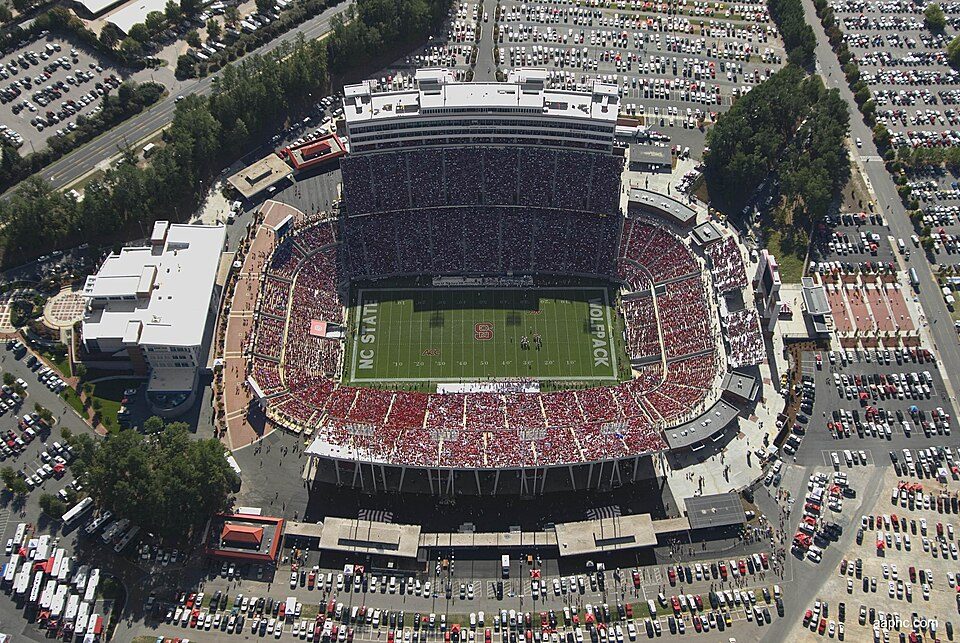
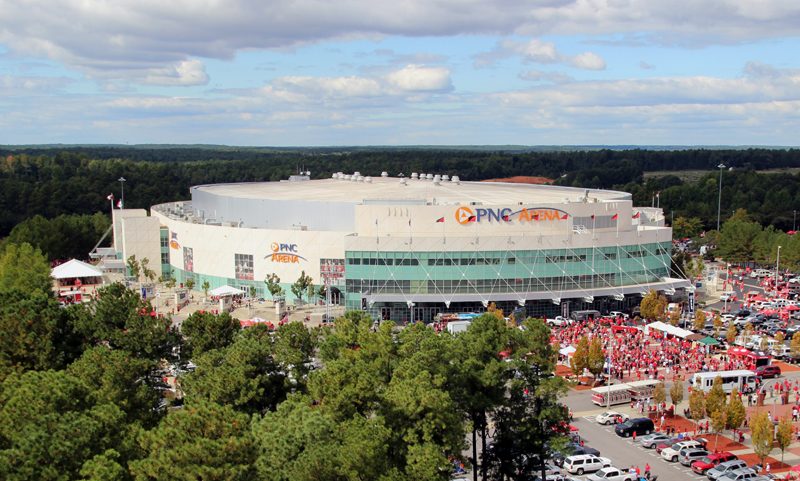
16 mi Stadium & arenaLenovo Center
16 mi Stadium & arenaCarter–Finley Stadium
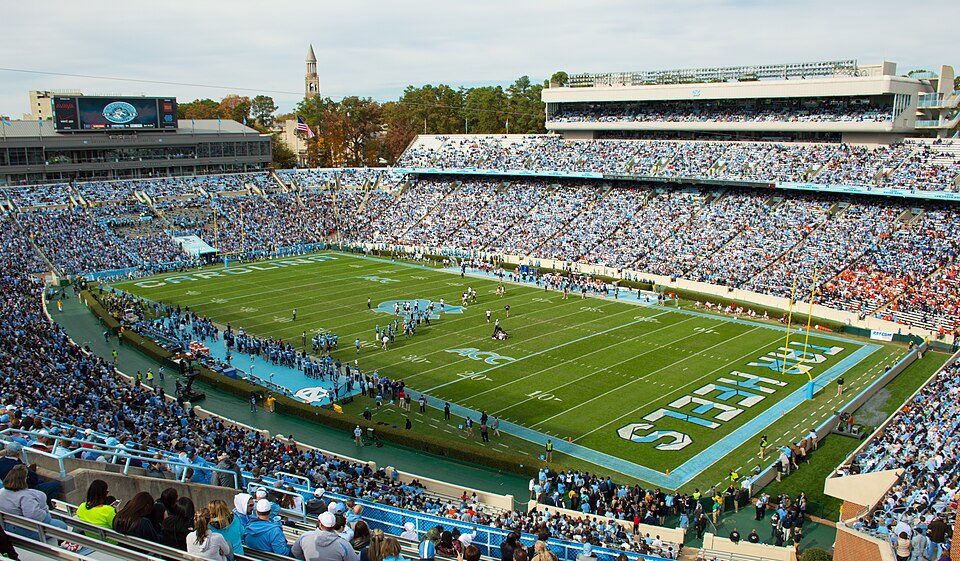
30 mi Stadium & arenaKenan Memorial Stadium
18 mi Stadium & arenaWakeMed Soccer Park
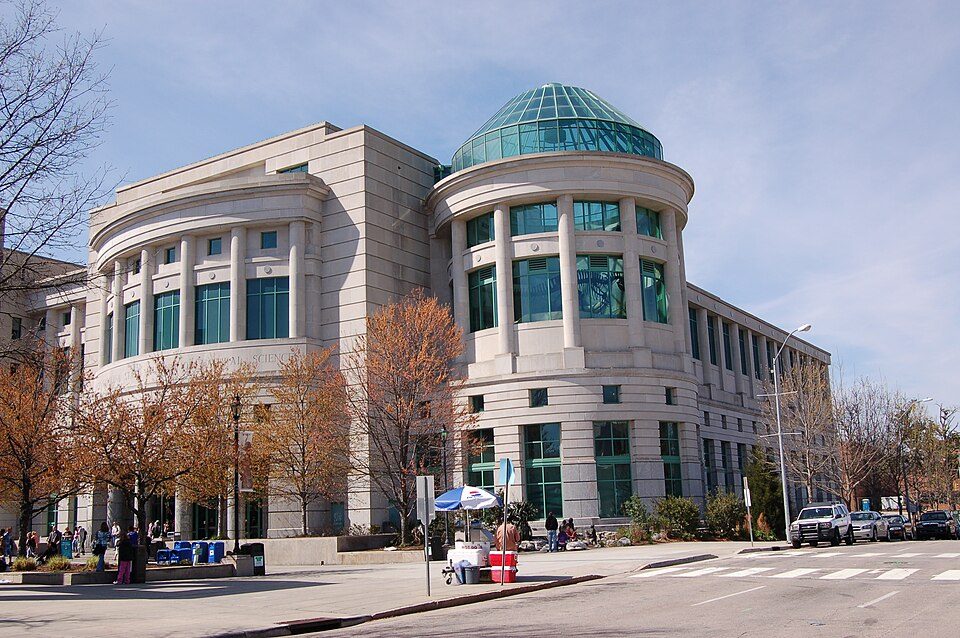
15 mi MuseumNorth Carolina Museum of Art
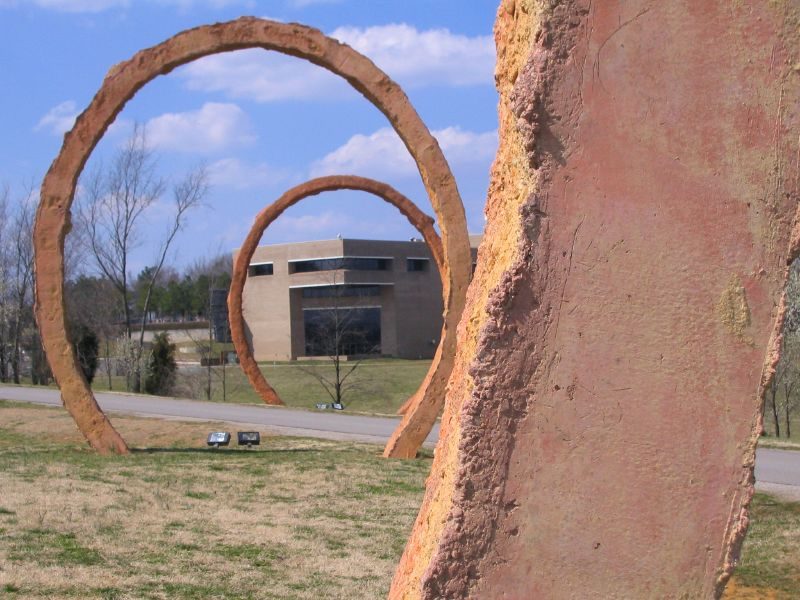
14 mi MuseumNorth Carolina Museum of Natural SciencesLenovo Center: Edward T. Funkhouser, CC BY-SA 3.0 · Carter–Finley Stadium: SMaloney, CC BY 3.0 · Kenan Memorial Stadium: Yeungb, CC BY 3.0 · WakeMed Soccer Park: Hameltion, CC BY-SA 4.0 · North Carolina Museum of Art: Justin Doub, CC BY 2.0 · North Carolina Museum of Natural Sciences: Jmturner, Public domain
Who provides power, water and the rest in Wake Forest, and how to reach them.
EPA SDWIS (Oct 9, 2026) · HIFLD + EIA-861 2025 · Census 2020 ZCTAs · NCES 2024–25 · registration: vote.gov, updated Nov 18, 2024.
Ordered by what stands out in Wake Forest.
Wake Forest fares better on crime within North Carolina than nationally, has less food insecurity than most of North Carolina and has household incomes well above the North Carolina norm.
23 miles of trail in 15 parks and preserves. Wake Forest’s trail density is 1.2 miles per square mile. Wake Forest Reservoir Park, at 201 acres with 8.2 miles of trail, is the biggest park or preserve.
| Biggest places to walk | Trails | Acres |
|---|---|---|
| 1. Wake Forest Reservoir Park | 8.2 mi | 201 |
| 2. Neuse River Greenway | 0.4 mi | 150 |
| 3. J.B. Flaherty Park | 0.3 mi | 42 |
Trails & parks © OpenStreetMap contributors · Conserved land: USGS PAD-US
Its public schools are run by the Wake County Schools. Three of its 15 schools are below, each with why it’s listed.
| School | Level | Students | Letter |
|---|---|---|---|
| Heritage MiddleLargest public middle schoolGrades 6–8 | Grades 6–8 | 947 | A |
| Wake Forest High SchoolLargest public high schoolGrades 9–12 | Grades 9–12 | 2,043 | A |
| Endeavor Charter SchoolTop results in townGrades K–8 | Grades K–8 | 799 | A+ |
NCES · EDFacts · graded within NC on state tests and graduation
Its widest gap with North Carolina is food insecurity: 9.1% of its 34,071 adults worry about having enough food, against 15.2% statewide.
9.5% of adults report frequent physical distress in Wake Forest. Wake Forest beats the North Carolina average on 20 of 32 CDC measures and trails it on 0. 17% of adults get no exercise outside work in Wake Forest.
| Wake Forest | North Carolina towns | U.S. towns | |
|---|---|---|---|
| Frequent physical distress (CDC PLACES) | 9.5% | 13% | 14% |
| Get no exercise (CDC PLACES) | 17% | 24% | 25% |
| Smoke cigarettes (CDC PLACES) | 9.5% | 14% | 14% |
| Fair or poor health (CDC PLACES) | 13% | 19% | 19% |
| What stands out | Wake Forest | NC |
|---|---|---|
| Fewer adults facing food insecurity | 9.1% | 15.2% |
| Fewer older adults who have lost all their teeth | 8.7% | 13.9% |
CDC PLACES 2025 · modeled estimates for adults · CMS · HRSA
The median property tax bill is $3,853, against $1,896 across North Carolina, another input to its cost-of-living grade.
The median rent in Wake Forest is $1,596 a month. The typical Wake Forest home is worth about $504,000, down 1% in a year, 52% above the North Carolina typical home.
| Wake Forest | North Carolina towns | U.S. towns | |
|---|---|---|---|
| Median rent | $1,596 a month | $1,084 a month | $1,185 a month |
| Households that own their home | 74% | 67% | 73% |
| Renters paying 30%+ of income on rent | 46% | 49% | 48% |
Census ACS, 2020–24 · Zillow Home Value Index · Redfin Data Center
Jobs based here grew from 8,771 in 2013 to 16,792. 28.7% of workers work from home, against 16.3% across North Carolina.
Most working residents leave Wake Forest for work: only 9% work in town. 4.5% of Wake Forest residents live below the poverty line. Jobs based in Wake Forest grew to 16,792 in 2023, 8,021 more than in 2013.
| Wake Forest | North Carolina towns | U.S. towns | |
|---|---|---|---|
| Median household income | $124,000 | $69,000 | $80,000 |
| Average trip to work | 31 minutes | 24 minutes | 25 minutes |
| Below the poverty line | 4.5% | 13% | 9.6% |
| Working residents who work in town | 9.4% | 6.8% | 8% |
Census LEHD 2023 · ACS
Wake Forest has mild winters and warm summers. July afternoons reach 90°, January nights drop to 30° and about 2 inches of snow falls in a winter.
NOAA U.S. Climate Normals, 1991–2020
Expected storm and flood damage is lower than in 52% of U.S. communities. Since 2019, 2 flood insurance claims have been paid out in Wake Forest.
FEMA flood insurance claims · FEMA National Risk Index · OpenFEMA
At 18 crimes per 1,000 residents a year, it reports less crime than 81% of North Carolina’s graded towns. Reported crimes fell from 919 to 639 over the last three FBI years, a drop beyond ordinary year-to-year swings.
FBI crime data, 2025 · crimes reported to police
4 within 15 miles of the center of Wake Forest
About 8 of every 100 Wake Forest residents are enrolled in college, against 6 across North Carolina.
30,117 counted in 2010 and 47,601 in 2020; an estimated 58,147 in 2025.
Growth hasn’t slowed: 21.1% since 2020, after 58.1% in the decade before.
U.S. Census 2010 & 2020 counts · Census Bureau estimate, July 1, 2025
18 places in Wake Forest on the National Register of Historic Places.
8 notable people were born in Wake Forest.
Town in North Carolina, United States
Wake Forest is a town in Wake and Franklin counties in the U.S. state of North Carolina. Located almost entirely in Wake County, it lies just north of the state capital, Raleigh. At the 2020 census, the population was 47,601, up from 30,117 in 2010. It is part of the Raleigh metropolitan area. Wake Forest was the original home of Wake Forest University for 122 years before it moved to Winston-Salem in 1956.
From Wikipedia, licensed CC BY-SA 4.0 · facts via Wikidata (CC0)
2 towns share a border with Wake Forest.
| Town | NC rank | Overall | Cost | Safety | Schools | Health |
|---|---|---|---|---|---|---|
| Wake Forest | #24 | A− | C | B− | A− | A |
| Rolesville | #1 | A+ | B− | A | A− | A+ |
| Raleigh | #80 | B− | C | D | A− | A |
Short answers, built from the data on this page.
By most measures, yes. Wake Forest grades A− overall, better than 81% of U.S. towns and #24 of 286 in North Carolina. It grades A for health, B− for safety and A− for schools.
Cost of living, which also weighs rents, property taxes and how many households pay 30% or more of their income for housing, grades C.
8 notable people were born here, including Dexter Lawrence and Cole Frame.