145 years in pictures
Census counts: 2,433 in 1960, a peak of 22,442 in 2000, 16,621 in 2020. The archive holds 2 old photos and papers going back to 2010 and 3 maps from 1949 on.
- 1881Havelock is settled
Each edition grades its towns against each other only.
FEMA rates its natural-hazard risk higher than 99% of U.S. communities, with hurricanes at the top. Overall it grades C−, 191st among North Carolina's 286 graded towns. It is more walkable than 75% of U.S. towns. Its weakest subject is incomes: the median household income is $58K, and 14% of residents live below the poverty line. 65% of the land in Havelock is conserved, above both North Carolina’s towns (3.4%) and U.S. towns (4.3%). Only 1 of the 290 North Carolina towns we compare have a lower share of residents 65 or older than Havelock. Havelock's civic life (library use, community groups, volunteering) trails 86% of U.S. towns.
Where Havelock beats most towns, and one thing worth knowing.
20,735 counted in 2010 and 16,621 in 2020; an estimated 17,430 in 2025.
The decline has turned around: up 4.2% since 2020, after a 19.8% drop in the decade before.
U.S. Census 2010 & 2020 counts · Census Bureau estimate, July 1, 2025
Each subject compared with towns across the country (schools within North Carolina), ordered by how far Havelock is from typical.
How TownRatings grades towns →
Census counts: 2,433 in 1960, a peak of 22,442 in 2000, 16,621 in 2020. The archive holds 2 old photos and papers going back to 2010 and 3 maps from 1949 on.
Who provides power, water and the rest in Havelock, and how to reach them.
EPA SDWIS (Oct 9, 2026) · HIFLD + EIA-861 2025 · Census 2020 ZCTAs · NCES 2024–25 · registration: vote.gov, updated Nov 18, 2024.
Ordered by what stands out in Havelock.
Havelock keeps more of its land conserved than most of North Carolina and is healthier than towns with similar incomes, but it carries more natural-hazard risk than most of North Carolina (mostly hurricanes).
Its 7,489 conserved acres are a larger share of the town than in any other North Carolina town.
12 miles of trail in 4 parks and preserves. Havelock’s trail density is 0.6 miles per square mile, above the North Carolina town median (0.2) and near the median of U.S. towns (0.4). The biggest place to walk is Havelock Athletic Complex, 57 acres with 1 miles of trail.
| Biggest places to walk | Trails | Acres |
|---|---|---|
| 1. Havelock Athletic Complex | 1 mi | 57 |
| 2. Croatan National Forest | — | 38 |
| 3. Recreation and Park Complex | — | 15 |
Trails & parks © OpenStreetMap contributors · Conserved land: USGS PAD-US
Its public schools are run by the Craven County Board of Education school district. Three of its 10 schools are below, each with why it’s listed.
| School | Level | Students | Letter |
|---|---|---|---|
| Arthur W Edwards ElementaryLargest public elementary schoolGrades K–5 | Grades K–5 | 489 | C+ |
| Havelock HighLargest public high schoolGrades 9–12 | Grades 9–12 | 1,014 | A |
| Early College EAST HighTop results in townGrades 9–12 | Grades 9–12 | 208 | A+ |
NCES · EDFacts · graded within NC on state tests and graduation
FEMA rates its natural-hazard risk higher than 96% of North Carolina towns, with expected losses of about $244 per resident a year; that rating is what its D− for hazard risk is built on. 135 flood insurance claims have been filed here, and 18 properties have flooded more than once.
Since 1998, 135 flood insurance claims have been paid out in Havelock.
FEMA flood insurance claims · FEMA National Risk Index · OpenFEMA
Home values rose 43% in five years, to about $234K, against 22% across North Carolina.
The typical Havelock home is worth about $234,000, up 2.3% in a year, 30% below the North Carolina typical home. 41% of Havelock households own their home.
| Havelock | North Carolina towns | U.S. towns | |
|---|---|---|---|
| Households that own their home | 41% | 67% | 73% |
| Median rent | $1,280 a month | $1,084 a month | $1,185 a month |
Census ACS, 2020–24 · Zillow Home Value Index · Redfin Data Center
Havelock has mild winters and warm summers, with plenty of rain. July afternoons reach 89°, January nights drop to 35° and snow is almost unheard of.
NOAA U.S. Climate Normals, 1991–2020
Havelock has about as many jobs (4,519) as working residents, but only 815 people both live and work here. The average commute takes 18.2 minutes, against 25.1 across North Carolina.
Most working residents leave Havelock for work: only 16% work in town. Havelock’s average trip to work is 18 minutes. Since 2013, Havelock has added 501 jobs, to 4,519 in 2023.
| Havelock | North Carolina towns | U.S. towns | |
|---|---|---|---|
| Average trip to work | 18 minutes | 24 minutes | 25 minutes |
| Working residents who work in town | 16% | 6.8% | 8% |
| Median household income | $58,000 | $69,000 | $80,000 |
Census LEHD 2023 · ACS
Against the 8,492 U.S. towns with household incomes like Havelock’s, it is healthier than 89%, so its B isn’t only a matter of income. Its widest gap with North Carolina is cancer: 4.8% of its 12,763 adults have had cancer, against 7.9% statewide.
Havelock beats the North Carolina average on 8 of 32 CDC measures and trails it on 10. 39% of adults feel lonely in Havelock. Among 289 North Carolina towns, just 8 have a higher share of adults who report frequent mental distress than Havelock.
| Havelock | North Carolina towns | U.S. towns | |
|---|---|---|---|
| Feel lonely (CDC PLACES) | 39% | 33% | 33% |
| High blood pressure (CDC PLACES) | 29% | 38% | 35% |
| Frequent mental distress (CDC PLACES) | 20% | 17% | 17% |
| Binge drink (CDC PLACES) | 18% | 14% | 16% |
| What stands out | Havelock | NC |
|---|---|---|
| Fewer adults who have had cancer | 4.8% | 7.9% |
| Fewer adults with heart disease | 4.4% | 6.6% |
| More adults without reliable transportation | 10.9% | 8.4% |
CDC PLACES 2025 · modeled estimates for adults · CMS · HRSA
Reported crimes fell from 310 to 189 over the last three FBI years, a drop beyond ordinary year-to-year swings.
The property crime rate in Havelock is 15.7 per 1,000 residents. Within North Carolina, it does better than 75% of towns.
| Havelock | North Carolina towns | U.S. towns | |
|---|---|---|---|
| Property crimes per 1,000 (2024) | 15.7 per 1,000 residents | 24.2 | 11.5 |
| Violent crimes per 1,000 (2024) | 2.1 per 1,000 residents | 3.1 | 1.7 |
FBI crime data, 2024 · crimes reported to police
Museums, parks, gardens and other places to visit around Havelock. Close and well known come first.
Big draw20 mi Ancient siteQueen Anne's Revenge
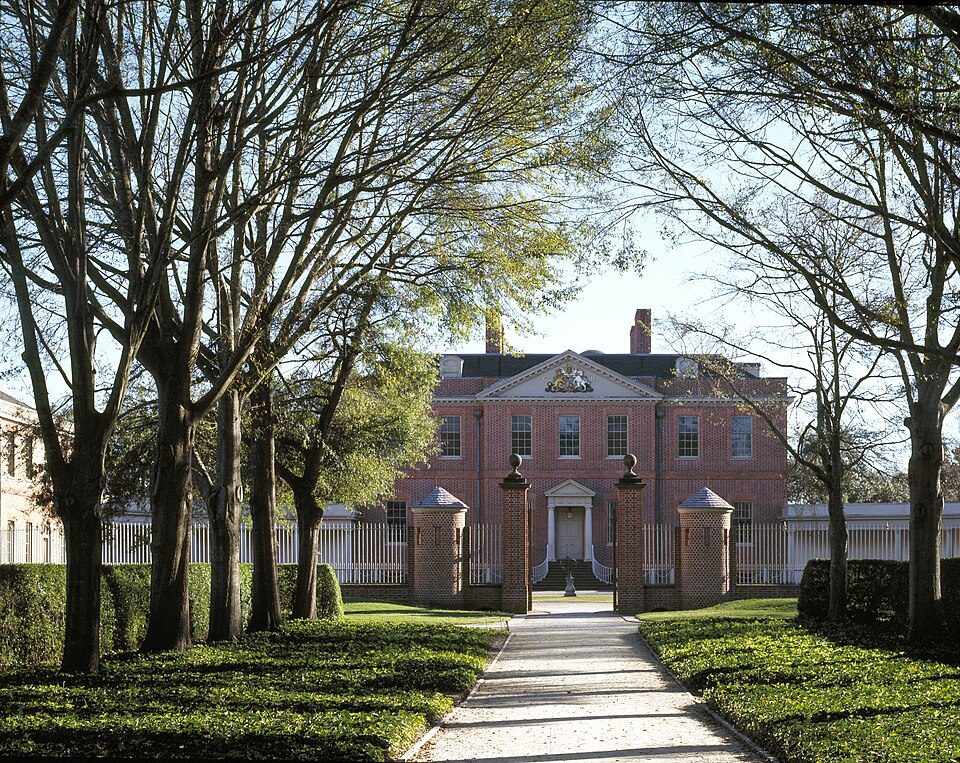
16 mi MuseumTryon Palace
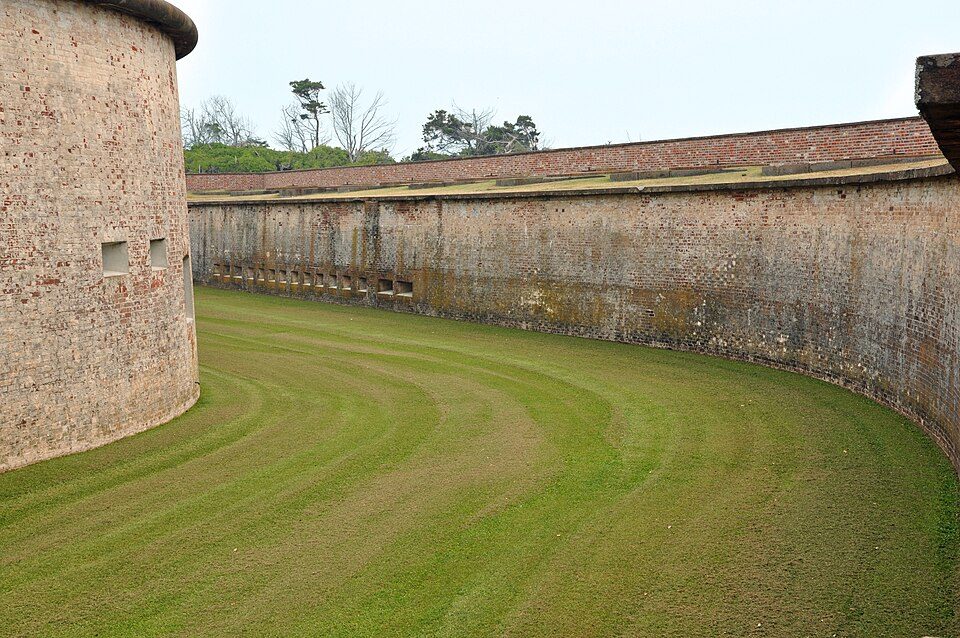
19 mi State parkFort Macon State Park
29 mi LighthouseCape Lookout Lighthouse
20 mi National SeashoreCape Lookout National Seashore513K visitors a year
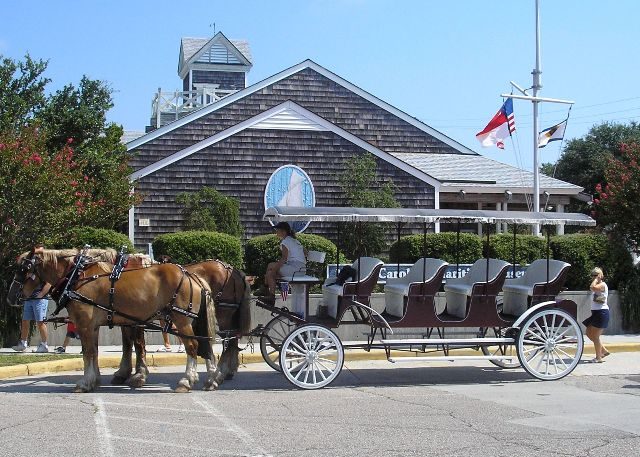
19 mi MuseumNorth Carolina Maritime MuseumQueen Anne's Revenge: Joseph Nicholls, Public domain · Tryon Palace: Carol M. Highsmith, Public domain · Fort Macon State Park: Kevinbercaw, CC BY-SA 3.0 · Cape Lookout Lighthouse: United States Coast Guard, Public domain · Cape Lookout National Seashore: Jarek Tuszyński, CC BY 3.0 · North Carolina Maritime Museum: Kd5463, CC BY-SA 3.0
1 within 15 miles of the center of Havelock
About 6 of every 100 Havelock residents are enrolled in college, about the same as North Carolina.
64.7% of the town is conserved land, across 4 parks and preserves.
6 notable people were born in Havelock.


City in North Carolina, United States
Havelock is a city in Craven County, North Carolina, United States. As of the 2020 census, Havelock had a population of 16,621. The city is home to Marine Corps Air Station Cherry Point, the world's largest Marine Corps air station, and home to the 2nd Marine Aircraft Wing. Havelock is part of the New Bern, NC Micropolitan Statistical Area.
From Wikipedia, licensed CC BY-SA 4.0 · facts via Wikidata (CC0)
Short answers, built from the data on this page.
Havelock grades C− overall, better than 21% of U.S. towns and #191 of 286 in North Carolina. It grades B for health, C+ for safety and C+ for schools. Hazard risk is its weak spot, with a D−.
Within North Carolina, it does better than 75% of towns.
That is 3.6 years of the area's median household income ($64,475 across the New Bern, NC area).
6 notable people were born here, including Dennis Mitchell and Bruce Carter.