Graham dates to 1849, and 6 of its places are on the National Register
More historic than 74% of U.S. towns · #71 of 290 in North Carolina. What drives it
Most of Graham was built recently: 5% of its homes predate 1940 and the median home dates from 1987. 6 places in town are on the National Register, among them three historic districts with 177 buildings between them. Below: 11 old photos and papers, maps from 1893 on, and the census since 1870.
On its age, its old homes and the National Register, Graham is more historic than 74% of U.S. towns, #71 of 290 in North Carolina. Its National Register listings hold the grade up; its share of homes from before 1940 pulls it down.
B+
HistoryA character grade: shown, never part of Graham’s overall grade.
North Carolina towns list more on the Register than most of the country (a typical North Carolina town has 12.5 per 10,000 residents, the U.S. 2.4), so Graham’s 108 sits above most of its state (76% of North Carolina towns have fewer) while its 195 historic buildings outnumber those of 93% of U.S. towns.
How sure. Graded on any two of the three inputs instead, the letter would range from B− to A. The pre-1940 share (±1.4 points) is firm at this size. Two sources give 1849.
Founding year: Wikipedia (other dates in Quick answers). Homes: Census ACS 2020–24. National Register: National Park Service, May 2026 list; each listing counted once (boundary changes and added documentation belong to their listing), and a historic district counts its contributing buildings. How TownRatings grades history →
What stands out about Graham’s past
Read from the archive, the National Register and the record. The page puts what stands out first.
National Park Service, National Register of Historic Places. Photos from Wikimedia Commons, credited on each place’s page.
Every building
Graham, building by building, 1893–1924
Fire insurance maps drew every building, what it was made of and what it was used for, so insurers could price the risk of fire. Pick a year, then a sheet.
Graham was laid out in 1849 as the county seat of the newly formed Alamance County, and was incorporated as a town in 1851; it became a city in 1961. It was named for William Alexander Graham, U.S. senator from North Carolina (1840–1843) and governor of North Carolina (1845–1849).
The lynching of Wyatt Outlaw, the first African-American Town Commissioner and Constable of Graham, on February 26, 1870, by the Ku Klux Klan, along with the assassination of State Senator John W. Stephens at the Caswell County Courthouse, provoked Governor William Woods Holden to declare martial law in Alamance and Caswell Counties, resulting in the Kirk-Holden War of 1870.
Passages that mention Graham, cut from the printed page as they were published.
General Joseph Graham and his papers on North Carolina Revolutionary history1904 · page 331Read the page →
Read the text
ments, two or three miles north of Alamance. General Pickens ordered Graham's cavalry to cross the creek and ascertain the enemy's position, and, if opportunity offered, to strike some of their small parties. Graham had just ascended the hill beyond Alamance when he met Colonel Washington and corps. It was nearly dark, and the Colonel advised that it was not safe to proceed any farther, for, said he, "there is a skygale ahead yon-
Text read by machine from the scan; it may contain errors.
General Joseph Graham and his papers on North Carolina Revolutionary history1904 · page 60Read the page →
Read the text
Jonas Bradshaw, a resident of Lincoln County, North Carolina, being sworn in open court deposeth that he served in the same company and regiment with Joseph Graham' the whole time from early in the month of May, 1778, until the 5th day of August, 1779; except the time they were furloughed some time in August, 1778, until the 5th day of November following and that said Graham acted as Orderly Sergeant to Captain Gooden's company part of the time and as Quartermaster sergeant to the regiment a greater
Text read by machine from the scan; it may contain errors.
Addresses at the unveiling of the bust of William A. Graham by the North Carolina Historical Commission in the rotunda of the State Capitol1910 · page 59Read the page →
Read the text
others were two proposed railroads into South Carolina, one from Wilmington, which was by this Legislature incorporated as the Wilmington and Manchester, and one from Fayetteville. Governor Graham, while not opposing these projects, was very much in favor of a railroad from Fayetteville to Salisbury or Charlotte, and thence into South Carolina. And the Legislature did grant a charter to the Charlotte and South Carolina Railroad.
Text read by machine from the scan; it may contain errors.
Addresses at the unveiling of the bust of William A. Graham by the North Carolina Historical Commission in the rotunda of the State Capitol1910 · page 72Read the page →
Read the text
Governor Graham seems to have had no substantial objection to the extension of the suffrage. He was so much absent from the State after the subject was introduced in the General Assembly of 1850, that he gave the matter only casual consideration until 1853. Then he was opposed, not so much to the policy as to the method of incorporating it in our fundamental law. "A constitution of government for a free people," said he, ''is a complicated machine, like a steam
Text read by machine from the scan; it may contain errors.
Scans and text from the Internet Archive. Books published in 1930 or earlier, which are in the public domain.
Timeline
Graham, 1849 to 1976
Woven from the archive, old maps, post office records, the National Register and the people born here.
Nothing in the archives for these yearsWeddings on Main Street, storms, parades, school pictures, the old store. If it’s in your family album, it belongs here.
In 1849, according to Wikipedia’s history of the town. Graham’s post office opened in 1850, and the census of 1870 counted 502 people here.
How does Graham rank for history?
Graham is more historic than 74% of U.S. towns, #71 of 290 in North Carolina. The History grade combines the town’s founding era, the share of homes built before 1940 and its National Register listings. It’s a character grade, so it isn’t part of the overall grade. How it works.
What is on the National Register in Graham?
6 listings: 3 buildings, among them the Alamance County Courthouse, (listed 1979, the first), and 3 historic districts, the Graham Historic District, the North Main Street Historic District and the Oneida Cotton Mills and Scott-Mebane Manufacturing Company Complex, with 177 contributing buildings. 195 historic buildings in all.
How old are the homes in Graham?
5% of Graham’s homes were built before 1940 (Census estimate, ±1.4 points), against a typical 4.1% for a North Carolina town; the median home was built in 1987.
Founding dates: Wikidata, Wikipedia, the U.S. post office records of Blevins & Helbock (CC0) and the Census. Homes by year built: Census ACS 2020–24. National Register of Historic Places: National Park Service (list of May 22, 2026). Old photos, postcards and papers: Wikimedia Commons, the Library of Congress and other public archives, credited on each item’s page. Maps: U.S. Geological Survey historical topographic maps (via Esri) and Sanborn fire-insurance maps (Library of Congress). History text and census tables: Wikipedia (CC BY-SA 4.0). Places that used to be: USGS Geographic Names Information System (2021).
From Wikimedia Commons (7), the Library of Congress (7), Wikidata (1), the National Register of Historic Places (6), Wikipedia, Wikidata and Wikipedia for famous people, U.S. Geological Survey historical maps, U.S. Census counts (via Wikipedia), the US Post Offices dataset (Blevins & Helbock), the USGS Geographic Names Information System, Sanborn fire insurance maps (Library of Congress) and old county and town histories (Internet Archive). Archive images are copied here with their credits and licenses, shown on each photo’s page. Refreshed monthly.


 1940
 1940
 1940
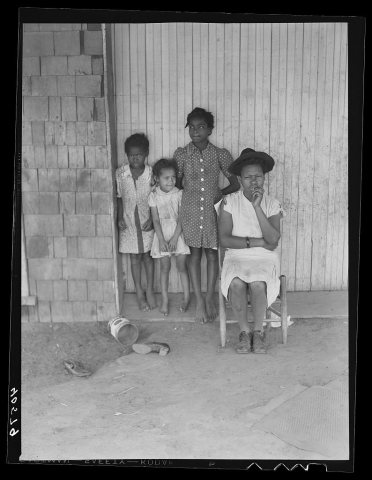 1940
 1940
 1940
 1940
 2019
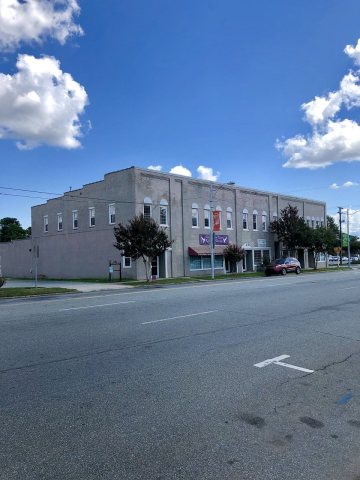 2019
 2012


