Forest OaksNC
In North Carolina, this town has 4,293 residents.
What should you know before moving to Forest Oaks?
Forest Oaks’s strongest is health — it is healthier than nine in ten U.S. towns. Incomes are another plus: the median household earns $108K. The trade-off is walkability. Most errands need a car: it is less walkable than 74% of U.S. towns. A typical home there costs about $349K, 5.3 years of the Greensboro metro’s $66K median household income. Put together, the subjects come to a B+ overall, better than just over two thirds of U.S. towns. In the ranking it comes 41st of 286 in North Carolina. 20% of residents live below the poverty line here, where North Carolina’s towns sit at 13% and U.S. towns at 9.6%.
Figures: health, CDC PLACES · incomes, Census ACS, 2020–24 · home values, Zillow.
97% of working residents leave Forest Oaks for work
Where Forest Oaks’s working residents go each day. Line width shows the share.
Census LEHD 2023
How Forest Oaks grades
Each subject compared with towns across the country (schools within North Carolina), ordered by how far Forest Oaks is from typical.
How TownRatings grades towns →
Moving to Forest Oaks: who provides what
Forest Oaks is unincorporated, so Guilford County and regional agencies provide most services.
EPA SDWIS (Oct 9, 2026) · HIFLD + EIA-861 2025 · Census 2020 ZCTAs · NCES 2024–25 · registration: vote.gov, updated Nov 18, 2024.
The data
Ordered by what stands out in Forest Oaks.
Forest Oaks earns an A for health
Its widest gap with North Carolina is food insecurity: 7.8% of its 3,335 adults worry about having enough food, against 15.2% statewide.
In Forest Oaks, nearly one in ten adults smoke cigarettes, and 11% report frequent physical distress. Against the North Carolina average, Forest Oaks comes out ahead on 16 CDC measures out of 32, and behind on 1. For adults here, the share who report frequent mental distress is 14%.
| Forest Oaks | North Carolina towns | U.S. towns | |
|---|---|---|---|
| Frequent mental distress (CDC PLACES) | 14% | 17% | 17% |
| Smoke cigarettes (CDC PLACES) | 9.3% | 14% | 14% |
| Frequent physical distress (CDC PLACES) | 11% | 13% | 14% |
| Get no exercise (CDC PLACES) | 18% | 24% | 25% |
| What stands out | Forest Oaks | NC |
|---|---|---|
| Fewer adults facing food insecurity | 7.8% | 15.2% |
| Fewer older adults who have lost all their teeth | 7.4% | 13.9% |
| More adults who have had cancer | 10.3% | 7.9% |
CDC PLACES 2025 · modeled estimates for adults · CMS · HRSA
Forest Oaks’ schools rank ahead of 53% of North Carolina districts
Its two schools are below. The largest public high school is Southeast Guilford High, with 1,209 students. 2 public schools serve Forest Oaks, with 2,035 students in all.
| School | Level | Students | Letter |
|---|---|---|---|
| Southeast Guilford MiddleLargest public middle schoolGrades 6–8 | Grades 6–8 | 826 | C+ |
| Southeast Guilford HighLargest public high schoolGrades 9–12 | Grades 9–12 | 1,209 | B+ |
NCES · EDFacts · graded within NC on state tests and graduation
Forest Oaks has 0.3 jobs for every working resident, so most commute out
The top destinations are Greensboro (42%), High Point (6%) and Winston-Salem (5%). Most people who work leave Forest Oaks to do it: just 3% work in town. Since 2013, Forest Oaks has lost 61 jobs, to 552 in 2023. For Forest Oaks, the mean commuting time is 22 minutes.
| Forest Oaks | North Carolina towns | U.S. towns | |
|---|---|---|---|
| Below the poverty line | 20% | 13% | 9.6% |
| Median household income | $108,000 | $69,000 | $80,000 |
| Average trip to work | 22 minutes | 24 minutes | 25 minutes |
| Working residents who work in town | 2.5% | 6.8% | 8% |
Where working residents work
Census LEHD 2023 · ACS
The climate in Forest Oaks brings four seasons and hot summers
The peak summer temperature for Forest Oaks comes to 89°F.
Typical low → high °F
NOAA U.S. Climate Normals, 1991–2020
Forest Oaks has a moderate natural-hazard risk, chiefly from inland flooding
Four fifths of Forest Oaks’s expected losses from natural hazards come from inland flooding. FEMA expects more storm and flood damage here than in 54% of U.S. communities.
FEMA National Risk Index · OpenFEMA
A home in Forest Oaks sells for about $430K at the median
91% of Forest Oaks households are owner-occupiers. Sellers in Forest Oaks got 98% of the asking price, typically. On the market here: a median 46 days to sell.
Census ACS, 2020–24 · Zillow Home Value Index · Redfin Data Center
North Carolina Zoo and 26 more within 40 miles
Museums, parks, gardens and other places to visit around Forest Oaks. Close and well known come first.
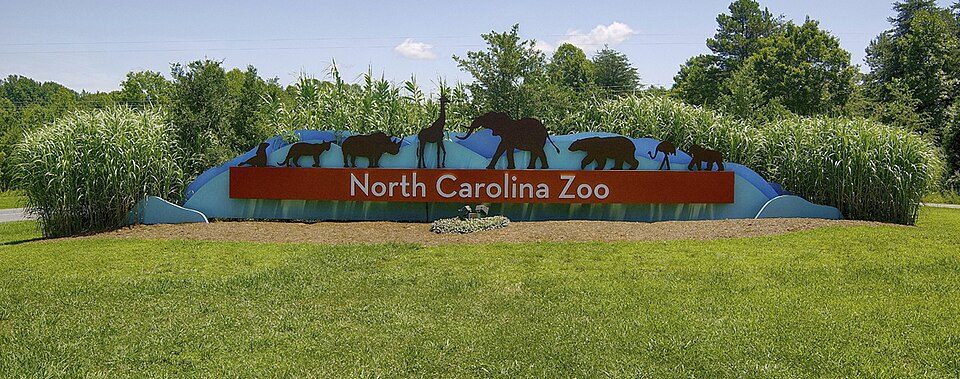 25 mi Zoo & aquariumNorth Carolina Zoo700K visitors a year
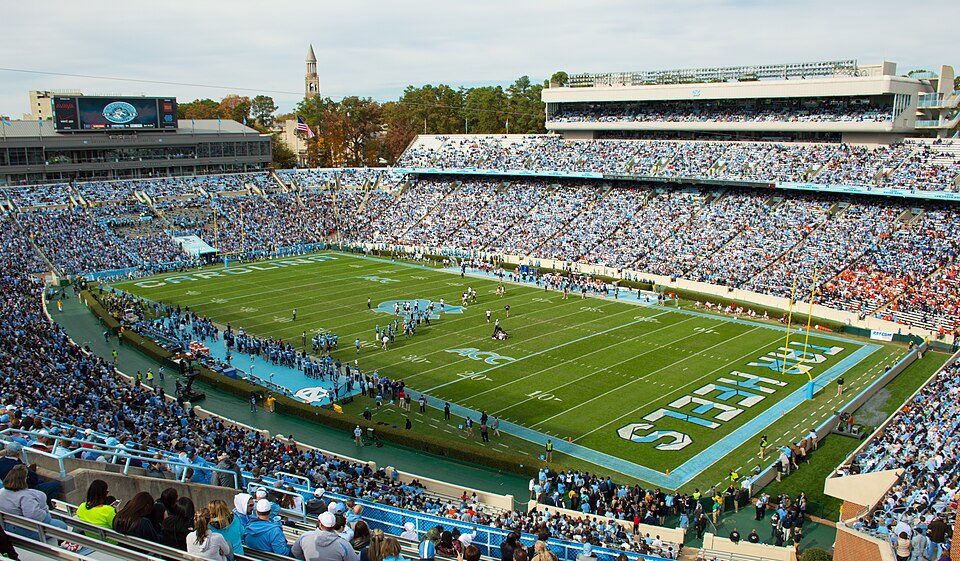 37 mi Stadium & arenaKenan Memorial Stadium
 32 mi Stadium & arenaAllegacy Federal Credit Union Stadium
 31 mi MuseumOld Salem7 mi MuseumPalmer Memorial Institute
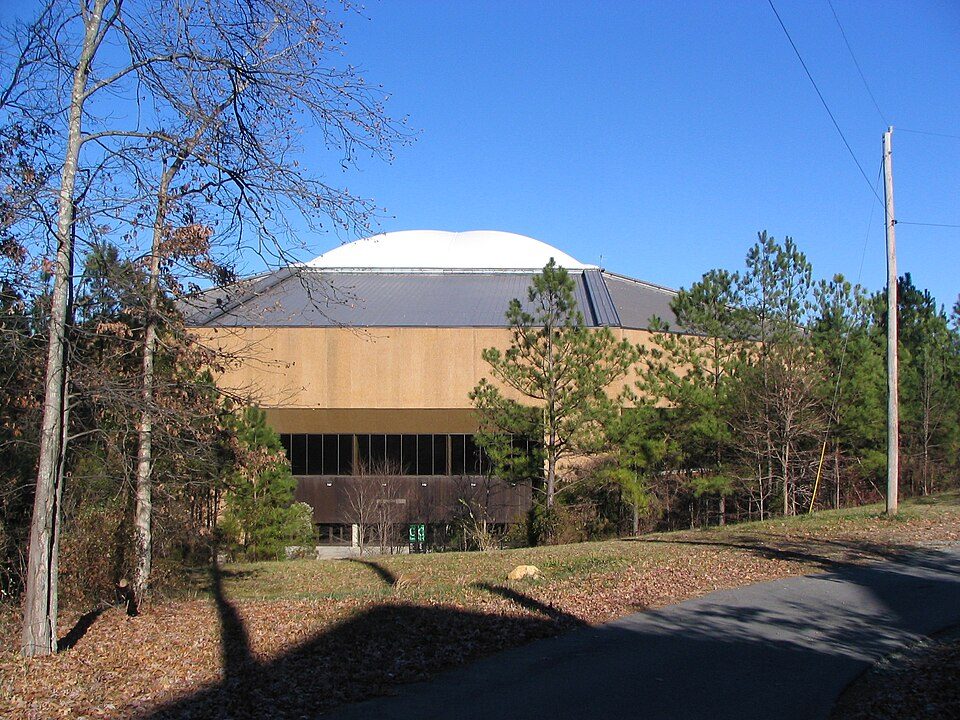 38 mi Stadium & arenaDean Smith Center
Photo credits
North Carolina Zoo: Diane Villa, CC BY-SA 4.0 · Kenan Memorial Stadium: Yeungb, CC BY 3.0 · Allegacy Federal Credit Union Stadium: BobHWS, CC BY-SA 3.0 · Old Salem: David Bjorgen, CC BY-SA 3.0 · Dean Smith Center: No machine-readable author provided. Snargle~commonswiki assumed (based on copyr, Public domain


Everything we know about Forest Oaks
Colleges nearby
9 within 15 miles of the center of Forest Oaks
About 8 of every 100 Forest Oaks residents are enrolled in college, against 6 across North Carolina.
Forest Oaks’s neighbors
One town shares a border with Forest Oaks.
| Town | NC rank | Overall | Cost | Safety | Schools | Health |
|---|---|---|---|---|---|---|
| Forest Oaks | #41 | B+ | B− | — | B− | A |
| Greensboro | #215 | D | C− | D− | B− | B− |
Forest Oaks reports no FBI crime data of its own. Compare Forest Oaks with a neighbor →
Questions about Forest Oaks
Short answers, built from the data on this page.
Is Forest Oaks, NC a good place to live?
By most measures, yes. Forest Oaks grades B+ overall, better than 68% of U.S. towns and #41 of 286 in North Carolina. It grades A for health and B− for schools.
Is Forest Oaks, NC expensive?
The typical home is worth about $349,000, 5% above the North Carolina typical home. Cost of living, which also weighs rents, property taxes and how many households pay 30% or more of their income for housing, grades B−.