BiscoeNC
A town of 1,887, settled in 1895. A regional job hub with 1,409 jobs.
Is Biscoe a good place to live?
The best of Biscoe’s subject grades is an A− for cost of living; the weakest is a D− for incomes. 35% of residents live below the poverty line in Biscoe, where North Carolina’s towns sit at 13% and U.S. towns at 9.6%. On incomes, just 15 of North Carolina’s 448 towns do worse. CDC estimates put its residents' health behind 95% of the country. 12% of the land in Biscoe is conserved, against 3.4% in North Carolina’s towns and 4.3% across U.S. towns. Biscoe's civic life (library use, community groups, volunteering) trails 96% of U.S. towns. The biggest park or preserve is Town Park, at 22 acres. Biscoe has fewer than 2,500 residents, so it gets subject grades but no overall grade.
What makes Biscoe stand out
Where Biscoe beats most towns, and one thing worth knowing.
Jobs vs. working residents
Typical home value
| Widest gap | Biscoe | NC |
|---|---|---|
| More uninsured adults | 21.8% | 10.4% |
Every workday, about 1,354 people come to Biscoe for work
Where Biscoe’s working residents go each day. Line width shows the share.
Census LEHD 2023
How Biscoe grades
Each subject compared with towns across the country (schools within North Carolina), ordered by how far Biscoe is from typical.
How TownRatings grades towns →
Moving to Biscoe: who provides what
Who provides power, water and the rest in Biscoe, and how to reach them.
EPA SDWIS (Oct 9, 2026) · HIFLD + EIA-861 2025 · Census 2020 ZCTAs · NCES 2024–25 · registration: vote.gov, updated Nov 18, 2024.
The data
Ordered by what stands out in Biscoe.
A larger share of adults say their health is fair or poor in Biscoe than in most of North Carolina or the rest of the country
32% of Biscoe adults say their health is fair or poor. Only 9 of the 290 North Carolina towns we compare have a higher share of adults who report frequent physical distress than Biscoe. 19% of Biscoe adults report frequent mental distress.
| Biscoe | North Carolina towns | U.S. towns | |
|---|---|---|---|
| Fair or poor health (CDC PLACES) | 32% | 19% | 19% |
| Diabetes (CDC PLACES) | 18% | 13% | 12% |
| Food insecurity (CDC PLACES) | 31% | 15% | 14% |
| No health insurance, 18–64 (CDC PLACES) | 22% | 10% | 8.1% |
| What stands out | Biscoe | NC |
|---|---|---|
| Fewer binge drinkers | 11.9% | 14.7% |
| More uninsured adults | 21.8% | 10.4% |
CDC PLACES 2025 · modeled estimates for adults · CMS · HRSA
| School | Level | Students | Letter |
|---|---|---|---|
| Tillery Charter AcademyLargest public elementary schoolGrades K–7 | Grades K–7 | 231 | C− |
NCES · EDFacts · graded within NC on state tests and graduation
Biscoe has 2.3 jobs for every working resident, and 1,354 people commute in
Most working residents leave Biscoe for work: only 9% work in town. The median household income in Biscoe is $45,000. The top destinations are Troy (8%), Asheboro (7%) and Charlotte (6%).
| Biscoe | North Carolina towns | U.S. towns | |
|---|---|---|---|
| Median household income | $45,000 | $69,000 | $80,000 |
| Average trip to work | 20 minutes | 24 minutes | 25 minutes |
| Working residents who work in town | 9% | 6.8% | 8% |
Where working residents work
Census LEHD 2023 · ACS
Biscoe stands out in North Carolina and nationally, with the median rent lower than most
Biscoe’s median rent is $625 a month. Typical home values rose 4.5% in the year to September 2026. 56% of households own their home in Biscoe.
| Biscoe | North Carolina towns | U.S. towns | |
|---|---|---|---|
| Median rent | $625 a month | $1,085 a month | $1,185 a month |
| Households that own their home | 56% | 67% | 73% |
Typical home value
Census ACS, 2020–24 · Zillow Home Value Index · Redfin Data Center
Biscoe reports more crime per resident than 82% of U.S. towns
Among 154 North Carolina towns, just 1 have a lower violent crime rate than Biscoe.
| Biscoe | North Carolina towns | U.S. towns | |
|---|---|---|---|
| Property crimes per 1,000 (2025) | 30.4 per 1,000 residents | 21.8 | 9.9 |
| Violent crimes per 1,000 (2025) | 0 per 1,000 residents | 3.2 | 1.6 |
Violent crime per 1,000 residents
Property crime per 1,000 residents
FBI crime data, 2025 · crimes reported to police
Inland flooding leads a low hazard risk in Biscoe
Expected storm and flood damage is lower than in 68% of U.S. communities.
FEMA National Risk Index · OpenFEMA
Biscoe has mild winters and hot summers
Biscoe has mild winters and warm summers. July afternoons reach 90°, January nights drop to 31° and about 3 inches of snow falls in a winter.
Typical low → high °F
NOAA U.S. Climate Normals, 1991–2020
| Biggest places to walk | Trails | Acres |
|---|---|---|
| 1. Town Park | 0.3 mi | 22 |
Trails & parks © OpenStreetMap contributors · Conserved land: USGS PAD-US
North Carolina Zoo and 4 more within 40 miles
Museums, parks, gardens and other places to visit around Biscoe. Close and well known come first.
 19 mi Zoo & aquariumNorth Carolina Zoo700K visitors a year
 15 mi National forestUwharrie National Forest
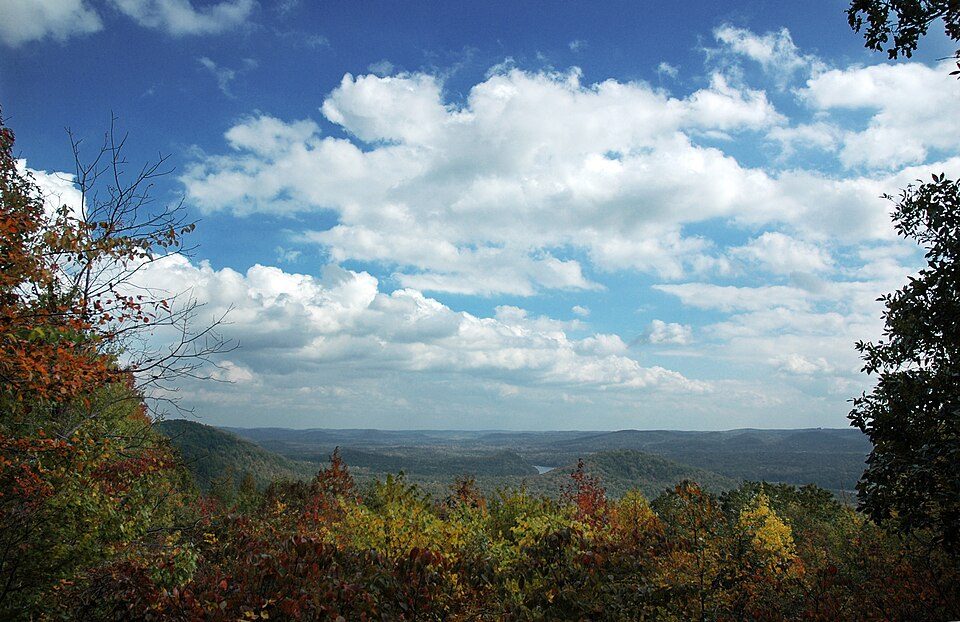 17 mi State parkMorrow Mountain21 mi MuseumNorth Carolina Aviation Museum
 27 mi MuseumWeymouth Woods-Sandhills Nature Preserve
Photo credits
North Carolina Zoo: Diane Villa, CC BY-SA 4.0 · Uwharrie National Forest: U.S. Forest Service, Public domain · Morrow Mountain: Hathcock at English Wikipedia, CC BY 3.0 · Weymouth Woods-Sandhills Nature Preserve: Wyatt Greene, CC BY-SA 3.0


Everything we know about Biscoe
Colleges nearby
1 within 15 miles of the center of Biscoe
About 6 of every 100 Biscoe residents are enrolled in college, about the same as North Carolina.
About Biscoe
Town in North Carolina, United States
Biscoe is a town in Montgomery County, North Carolina, United States. The population was 1,848 at the 2020 census, up from 1,700 in 2010. The town is named after Henry Biscoe, an important customer of the local lumber business.
From Wikipedia, licensed CC BY-SA 4.0 · facts via Wikidata (CC0)
- Established
- 1895
- Area
- 2.3 sq mi
- Elevation
- 614 ft
- ZIP code
- 27209
- Area code
- 910
Questions about Biscoe
Short answers, built from the data on this page.
Is Biscoe, NC expensive?
Not for the area. Cost of living, which also weighs rents, property taxes and how many households pay 30% or more of their income for housing, grades A−.