Louisville’s post office opened in 1835, and 5 of its places are on the National Register
More historic than 72% of U.S. towns · #24 of 100 in Mississippi. What drives it
Most of Louisville was built recently: 6% of its homes predate 1940 and the median home dates from 1974. 5 places in town are on the National Register, among them two historic districts with 64 buildings between them. Below: 8 old photos and papers, maps from 1972 on, and the census since 1870.
Founding year: the first Louisville post office (Blevins & Helbock, CC0).The full story ↓
History grade
What drives Louisville’s History grade
On its age, its old homes and the National Register, Louisville is more historic than 72% of U.S. towns, #24 of 100 in Mississippi. Its National Register listings hold the grade up; its share of homes from before 1940 pulls it down.
B+
HistoryA character grade: shown, never part of Louisville’s overall grade.
Mississippi towns list more on the Register than most of the country (a typical Mississippi town has 71.9 per 10,000 residents, the U.S. 2.4), so Louisville’s 112 sits above most of its state (69% of Mississippi towns have fewer) while its 67 historic buildings outnumber those of 87% of U.S. towns.
How sure. Graded on any two of the three inputs instead, the letter would range from B− to A−. The pre-1940 share (±2.5 points) is firm at this size. The founding year is the first post office, not a stated founding date.
Founding year: the first post office (other dates in Quick answers). Homes: Census ACS 2020–24. National Register: National Park Service, May 2026 list; each listing counted once (boundary changes and added documentation belong to their listing), and a historic district counts its contributing buildings. How TownRatings grades history →
What stands out about Louisville’s past
Read from the archive, the National Register and the record. The page puts what stands out first.
Like Winston County, Louisville is named for Louis Winston (1784–1824), a colonel in the militia, a prominent lawyer, and a judge of the Mississippi Supreme Court. In 1863 Union Colonel Benjamin Grierson marched 900 troops through Louisville during his raid through Mississippi. There was no fighting in Winston County.
In 1927, a mob of 1,000 white men from Louisville, lynched two African-Americans, Jim and Mark Fox by wrapping them in barbed wire and setting them on fire. The Foxes were accused of killing Clarence Nichols, a white man who started a fight with them because they would not let him pass their Ford touring car in his Chevrolet.
On April 28, 2014, Louisville was hit by an EF4 tornado, resulting in ten fatalities.
Although steam boats had been ten years in operation,, and Louisville forming the connecting link in the chain between the upper and lower Ohio, its population in 1820 was only 4,01*2, whereas in 1800 it was 600. In 1822, a malignant disease, which pervaded nearly the whole western country, visited Louisville with greater severity, probably than any other town. This afflicting dispensation, however, appears to have been a kind of
Text read by machine from the scan; it may contain errors.
Scans and text from the Internet Archive. Books published in 1930 or earlier, which are in the public domain.
By decade
Louisville, decade by decade
One decade in the archive so far: the 1810s. Scroll each row; tap a photo for its story.
Louisville’s post office has been open since 1835.
3cemeteries and burying grounds inside Louisville
JohnsonLouisvilleMasonic
US Post Offices dataset (Blevins & Helbock, CC0). Places and cemeteries from the USGS Geographic Names Information System (2021).
Questions about Louisville’s history
What year was Louisville founded?
The Louisville post office opened in 1835, the earliest record of the town by name (U.S. post office records).
How does Louisville rank for history?
Louisville is more historic than 72% of U.S. towns, #24 of 100 in Mississippi. The History grade combines the town’s founding era, the share of homes built before 1940 and its National Register listings. It’s a character grade, so it isn’t part of the overall grade. How it works.
What is on the National Register in Louisville?
5 listings: 3 buildings, among them the Benjamin Franklin Smyth House (listed 1994, the first), and 2 historic districts, the Legion State Park and the Downtown Louisville Historic District, with 64 contributing buildings. 67 historic buildings in all.
How old are the homes in Louisville?
6% of Louisville’s homes were built before 1940 (Census estimate, ±2.5 points), against a typical 4.5% for a Mississippi town; the median home was built in 1974.
Founding dates: Wikidata, Wikipedia, the U.S. post office records of Blevins & Helbock (CC0) and the Census. Homes by year built: Census ACS 2020–24. National Register of Historic Places: National Park Service (list of May 22, 2026). Old photos, postcards and papers: Wikimedia Commons, the Library of Congress and other public archives, credited on each item’s page. Maps: U.S. Geological Survey historical topographic maps (via Esri) and Sanborn fire-insurance maps (Library of Congress). History text and census tables: Wikipedia (CC BY-SA 4.0). Places that used to be: USGS Geographic Names Information System (2021).
From Wikimedia Commons (21), Wikidata (3), the National Register of Historic Places (5), Wikipedia, Wikidata and Wikipedia for famous people, U.S. Geological Survey historical maps, U.S. Census counts (via Wikipedia), the US Post Offices dataset (Blevins & Helbock), the USGS Geographic Names Information System and old county and town histories (Internet Archive). Archive images are copied here with their credits and licenses, shown on each photo’s page. Refreshed monthly.



 Date?
 Date?
 Date?
 Date?
 Date?
 Date?
 Date?
 2022
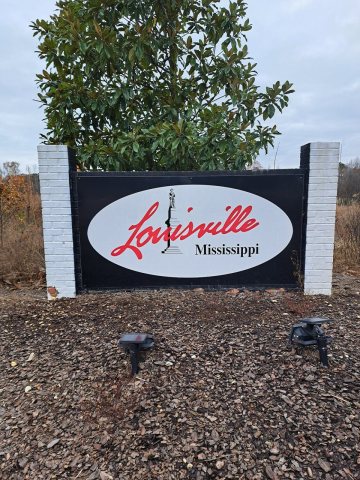 2022
 2022
 2022
 2021
 2018
 2018
 2014
 2014
 2014
 2014
 2008
 2008


