Guest, Sign inJoin

Post to Stockton

We’ll email a one-tap link to publish your post. No password, and nothing is public until you click it.
Already a member? Sign in
–Not graded
History · Stockton

Stockton’s post office opened in 1855, and 17% of its homes were built before 1940

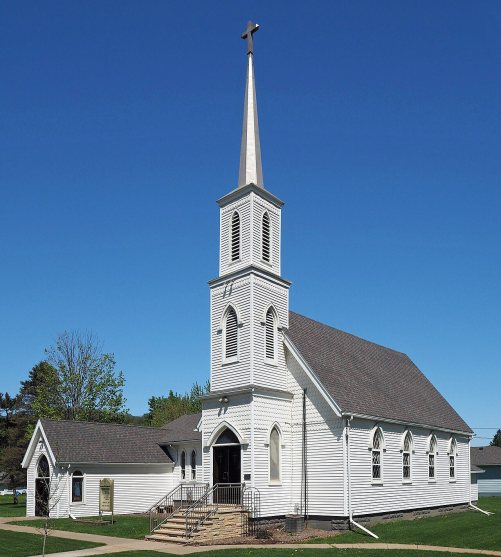
Its Register listing is the Trinity Episcopal Church. Below: maps from 1904 on and the census since 1880.

1855first post office
1on the National Register
17%homes built before 1940
Quick answers

How Stockton began

When was Stockton founded?

1855

The Stockton post office opened in 1855, the earliest record of the town by name.

First census: 214 in 18802020 census: 809171 years
Founding year: the first Stockton post office (Blevins & Helbock, CC0).The full story ↓

What stands out about Stockton’s past

Read from the archive, the National Register and the record. The page puts what stands out first.

★ What stands out · Help out

Start Stockton’s collection

The first neighbors to add old photos shape how Stockton’s history is told.

Decades since 1900 with photos
00s10s20s30s40s50s60s70s80s90s
0 of 10 decades. The empty ones are waiting for someone’s album.
The story

How Stockton came to be

From Wikipedia’s history of Stockton.

Read it all →

Stockton was platted in 1856. The city was named after J. B. Stockton, an early landowner. A post office was established at Stockton in 1855, and remained in operation until 1959. The city has one property listed on the National Register of Historic Places, the 1859 Trinity Episcopal Church.

The Winona and St. Peter Railroad was founded in 1861 in Winona, Minnesota. The first 11 miles from Winona to Stockton were completed by the end of 1862, making it the second operational railroad in Minnesota, after the St Paul and Pacific Line from St. Paul to St. Anthony Falls. In 2009, the city expanded, annexing the Garvin View Estate subdivision. The subdivision brought municipal water to the town.

Text from Wikipedia, licensed CC BY-SA 4.0.

Timeline

Stockton, 1855 to 1972

Woven from the archive, old maps, post office records, the National Register and the people born here.

  1. 19th century
  2. 1855Post officeThe Stockton post office opens
  3. 1859BuiltTrinity Episcopal Church is built
  4. 20th century
  5. 1959Post officeThe Stockton post office closes
  6. 1972On the mapFirst mapped by the U.S. Geological Survey
By decade

Stockton, decade by decade

On the map

Stockton on the map, 1972 to 1993

Every edition of the U.S. Geological Survey’s map of Stockton. Tap a year, or press play to watch the town change.

Stockton on the 1972 USGS mapStockton on the 1985 USGS mapStockton on the 1993 USGS map1972Rollingstone sheet · 1:24,000

U.S. Geological Survey historical topographic maps (public domain), via Esri’s collection of the scans. The red ring marks the center of Stockton.

Every building

Stockton, building by building, 1904

Fire insurance maps drew every building, what it was made of and what it was used for, so insurers could price the risk of fire. Pick a sheet.

Stockton fire insurance map, 1904, sheet 11904Sheet 1 of 1
Sheets
BrickWoodStone

Sanborn Map Company, via the Library of Congress. Editions published in 1930 or earlier, which are in the public domain.

On the National Register

1 historic place in Stockton

The country’s official list of buildings and places worth saving.

place listed
1
National Historic Landmarks
0
none yet
historic buildings protected
1
each building in a district counts
first listed
1984
Trinity Episcopal Church
Buildings

Architectural styles listings

Carpenter Gothic1

National Park Service, National Register of Historic Places. Photos from Wikimedia Commons, credited on each place’s page.

People over time

Stockton, census by census

020040060080018801900192019401960198020002020809

Grew from 214 people in 1880 to 809 in 2020, 3 times over.

9 censuses, 1880–2020.

U.S. Census Bureau decennial counts, from the census table on Stockton’s Wikipedia page.

Famous people

Famous people close to Stockton

Nobody well known was born in Stockton itself, so here are the best known from just nearby.

See all →
Places that used to be

Lost post offices, places now gone and burying grounds

Stockton had its own post office from 1855 to 1959.

Stockton
1855–1959
18501940today
Gone or out of use
Stockton Post Officepost office
1cemetery inside Stockton
Oakland

US Post Offices dataset (Blevins & Helbock, CC0). Places and cemeteries from the USGS Geographic Names Information System (2021).

Stories next door

History across the town line

Each neighbor’s History grade, on the same three inputs.

Questions about Stockton’s history

What year was Stockton founded?

The Stockton post office opened in 1855, the earliest record of the town by name (U.S. post office records).

What is on the National Register in Stockton?

One place: the Trinity Episcopal Church (listed 1984).

Memory lane

What the archives can’t tell you, neighbors can.

Town Square →
Start a conversation
Sources

Where this page comes from

Founding dates: Wikidata, Wikipedia, the U.S. post office records of Blevins & Helbock (CC0) and the Census. Homes by year built: Census ACS 2020–24. National Register of Historic Places: National Park Service (list of May 22, 2026). Old photos, postcards and papers: Wikimedia Commons, the Library of Congress and other public archives, credited on each item’s page. Maps: U.S. Geological Survey historical topographic maps (via Esri) and Sanborn fire-insurance maps (Library of Congress). History text and census tables: Wikipedia (CC BY-SA 4.0). Places that used to be: USGS Geographic Names Information System (2021). How TownRatings grades history →

From Wikimedia Commons (2), Wikidata (1), the National Register of Historic Places (1), Wikipedia, U.S. Geological Survey historical maps, U.S. Census counts (via Wikipedia), the US Post Offices dataset (Blevins & Helbock), the USGS Geographic Names Information System and Sanborn fire insurance maps (Library of Congress). Archive images are copied here with their credits and licenses, shown on each photo’s page. Refreshed monthly.